Product Design, Manufacturing & Innovation Resources

حاسبة الاهتزاز باليد والذراع (HAV)

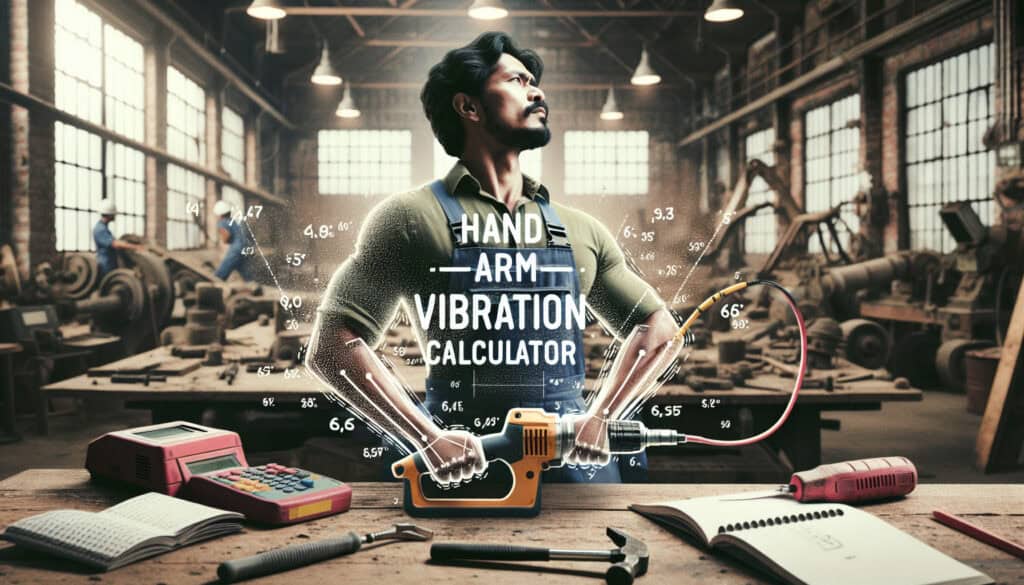
حاسبة اهتزاز اليد والذراع

حاسبة الاهتزاز باليد والذراع (HAV)

الهدف:

لحساب تعرض العامل للاهتزازات التي تصيب اليد والذراع.

كيفية استخدامه:

الايجابيات

سلبيات

الفئات:

الأفضل لـ:

The Hand-Arm Vibration Calculator (HAV) serves as an important tool in industries such as construction, manufacturing, and forestry, where workers frequently use vibration-inducing hand tools like drills, grinders, and saws. This methodology is particularly valuable during the planning and assessment phases of workplace safety programs, allowing managers and safety officers to evaluate existing equipment and practices while implementing new strategies to mitigate risks associated with vibration exposure. Organizations can benefit from the HAV calculator by quantitatively measuring and tracking vibration exposure over time, which aids in compliance with regulations set forth by occupational safety institutions such as the Health and Safety Executive (HSE) in the UK or the Occupational Safety and Health Administration (OSHA) in the US. Employees using vibrating tools should be educated about the risks and safe usage practices, while regular monitoring of exposure levels can lead to proactive interventions, such as limiting tool usage duration or introducing alternative tools designed with lower vibration levels. Involvement of occupational health professionals, ergonomists, and safety engineers during the analysis phase is advisable, as they can interpret the data and recommend appropriate personal protective equipment (PPE) or ergonomic improvements. Implementing such measures not only safeguards worker health but can also result in increased productivity and morale, reducing costs associated with worker compensation claims and lost workdays due to HAVS.

الخطوات الرئيسية لهذه المنهجية

  1. حدد الأدوات والمعدات التي يستخدمها العامل.
  2. قم بجمع بيانات انبعاث الاهتزاز من مواصفات الشركة المصنعة أو قواعد البيانات الموثوقة ذات الصلة بكل أداة.
  3. قم بقياس مدة التعرض لكل أداة خلال يوم العمل.
  4. احسب التعرض اليومي للاهتزاز باستخدام بيانات الاهتزاز المكتسبة ووقت التعرض.
  5. قارن قيم التعرض المحسوبة مع حدود التعرض المحددة (على سبيل المثال، من ISO 5349).
  6. حدد مستوى الخطر لكل عامل بناءً على تعرضه المحسوب وقيمة الحد الأقصى المسموح به.
  7. قم بتنفيذ تدابير التحكم أو التوصيات لتقليل التعرض للاهتزازات في حالة تجاوز العتبات المحددة.

نصائح احترافية

  • قم بدمج مراقبة التعرض في الوقت الفعلي لالتقاط مستويات الاهتزاز اللحظية أثناء استخدام الأداة، مما يسمح بتحليل البيانات بشكل أكثر دقة واستباقية إدارة المخاطر.
  • استخدم نهجًا متعدد المستويات عند تقييم مخاطر اهتزاز اليد والذراع، مع دمج التقييمات المريحة وتعليقات الموظفين لتحديد الأدوات والمهام التي تنطوي على تعرض عالٍ للاهتزاز.
  • قم بمعايرة أجهزة القياس بانتظام وتحقق من البيانات مقابل معايير الصناعة لضمان الامتثال وتعزيز دقة تقييمات اهتزاز اليد والذراع.

لقراءة عدة منهجيات ومقارنتها, نوصي باستخدام

> مستودع المنهجيات الشامل  <
مع أكثر من 400 منهجية أخرى.

نرحب بتعليقاتكم على هذه المنهجية أو المعلومات الإضافية على قسم التعليقات أدناه ↓، وكذلك أي أفكار أو روابط متعلقة بالهندسة.

السياق التاريخي

1941
1986
1990
2000
1950
1990
1990

(إذا كان التاريخ غير معروف أو غير ذي صلة، على سبيل المثال "ميكانيكا الموائع"، يتم توفير تقدير تقريبي لظهوره الملحوظ)

أحدث الإضافات

أهم المنشورات والمقالات

أفضل الأدوات الأصلية

السنة العاشرة عيد

الصور والتنزيلات بالحجم الكامل متاحة فقط، ومجانية تمامًا، للأعضاء المسجلين.