منهجية أجايل, التحسين المستمر, عملية التصميم, مراجعة التصميم, التفكير التصميمي, التطوير التكراري, النموذج الأولي, التصميم المتمحور حول المستخدم
الهدف:
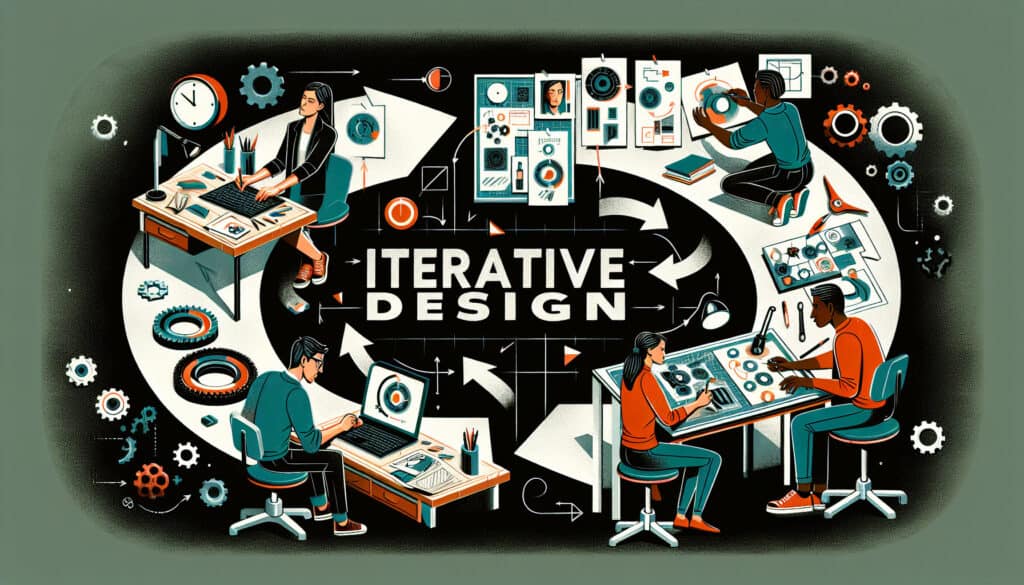
منهجية تصميم تعتمد على عملية دورية من النمذجة الأولية والاختبار والتحليل والتحسين لمنتج أو عملية.
كيفية استخدامه:
عملية تصميم تتضمن إنشاء سلسلة من النماذج الأولية التي يتم اختبارها وتحسينها بشكل دوري. يتيح ذلك للمصممين الحصول على ملاحظات من المستخدمين مبكراً وبشكل متكرر، وإجراء تحسينات على التصميم طوال عملية التطوير.
الايجابيات
يُتيح المرونة والتكيف طوال عملية التصميم؛ ويقلل من مخاطر الفشل من خلال الحصول على التعليقات مبكراً وبشكل متكرر.
سلبيات
قد يستغرق وقتاً طويلاً وقد لا يكون مناسباً للمشاريع ذات المواعيد النهائية الضيقة؛ ويمكن أن يؤدي إلى توسع نطاق المشروع إذا لم تتم إدارته بعناية.
الفئات:
هندسة, تصميم المنتج
الأفضل لـ:
Developing new products and services in a flexible and user-centered way.
Iterative Design is particularly beneficial in industries such as consumer electronics, automotive, software development, and healthcare, where rapid technological advancements and user preferences are constantly evolving. This methodology is typically employed during the product development phase, where designers and engineers collaborate with end-users to create multiple versions of a product, each refined based on user feedback, usability studies, and testing results. By initiating this process, cross-functional teams including designers, product managers, engineers, and marketing representatives engage in brainstorming sessions that encourage creative solutions to user problems. For example, in software development, beta testing phases are a form of Iterative Design where software can undergo multiple rounds of revisions based on user interactions, ultimately leading to a more polished final product. In the consumer electronics sector, companies like Apple and Samsung often release prototypes to small user groups to gather detailed feedback on design, functionality, and user experience before launching the final version. This approach not only accelerates innovation but also minimizes the risk of market failure since real user expectations and experiences are considered in each iteration, allowing teams to pivot quickly in response to feedback without substantial resource investment in a single untested design.
الخطوات الرئيسية لهذه المنهجية
حدد احتياجات ومتطلبات المستخدم بناءً على مدخلات أصحاب المصلحة.
ارسم مفاهيم التصميم الأولية التي تلبي احتياجات المستخدم.
قم بإنشاء نماذج أولية منخفضة الدقة لتصور المفاهيم.
قم بإجراء اختبارات سهولة الاستخدام مع المستخدمين المستهدفين على النماذج الأولية.
اجمع ملاحظات المستخدمين وحدد المجالات التي تحتاج إلى تحسين.
قم بتحسين التصميم بناءً على الملاحظات والآراء.
قم بتطوير نماذج أولية ذات دقة أعلى تتضمن التعديلات.
كرر اختبار سهولة الاستخدام باستخدام نماذج أولية محدثة.
استمر في التكرار حتى يتم تحقيق رضا المستخدم وأهداف التصميم.
نصائح للمحترفين
Incorporate user personas into your prototypes to address specific needs and preferences of different user segments.
استخدم اختبار A/B على اختلافات التصميم لجمع البيانات المقارنة واتخاذ قرارات مستنيرة بناءً على سلوك المستخدم.
قم بتطبيق توثيق دقيق في كل تكرار لتتبع التغييرات والقرارات وتعليقات المستخدمين بشكل منهجي، مما يسهل المراحل اللاحقة من التطوير.