애자일 방법론, 지속적인 개선, 디자인 프로세스, 디자인 검토, 디자인 사고, 반복적 개발, 프로토타이핑, 사용자 중심 디자인
목적:
제품이나 프로세스를 시제품 제작, 테스트, 분석 및 개선하는 순환 과정을 기반으로 하는 설계 방법론.
사용 방법:
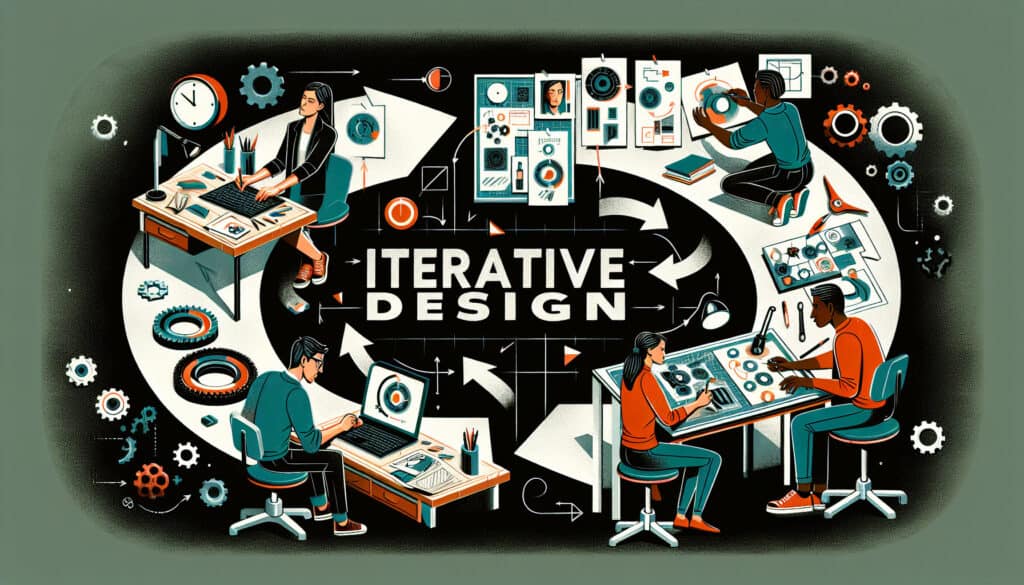
프로토타입을 제작하고 이를 테스트 및 개선하는 과정을 순환적으로 거치는 디자인 프로세스입니다. 이를 통해 디자이너는 사용자로부터 초기 단계부터 자주 피드백을 받고 개발 과정 전반에 걸쳐 디자인을 개선할 수 있습니다.
장점
설계 과정 전반에 걸쳐 유연성과 적응성을 제공하며, 초기 단계부터 자주 피드백을 받아 실패 위험을 줄입니다.
단점
시간이 많이 소요될 수 있으며 마감 기한이 촉박한 프로젝트에는 적합하지 않을 수 있습니다. 또한 신중하게 관리하지 않으면 범위가 확대될 수 있습니다.
카테고리:
공학, 제품 디자인
다음과 같은 경우에 가장 적합합니다:
Developing new products and services in a flexible and user-centered way.
Iterative Design is particularly beneficial in industries such as consumer electronics, automotive, software development, and healthcare, where rapid technological advancements and user preferences are constantly evolving. This methodology is typically employed during the product development phase, where designers and engineers collaborate with end-users to create multiple versions of a product, each refined based on user feedback, usability studies, and testing results. By initiating this process, cross-functional teams including designers, product managers, engineers, and marketing representatives engage in brainstorming sessions that encourage creative solutions to user problems. For example, in software development, beta testing phases are a form of Iterative Design where software can undergo multiple rounds of revisions based on user interactions, ultimately leading to a more polished final product. In the consumer electronics sector, companies like Apple and Samsung often release prototypes to small user groups to gather detailed feedback on design, functionality, and user experience before launching the final version. This approach not only accelerates innovation but also minimizes the risk of market failure since real user expectations and experiences are considered in each iteration, allowing teams to pivot quickly in response to feedback without substantial resource investment in a single untested design.
이 방법론의 주요 단계
이해관계자의 의견을 바탕으로 사용자 요구사항을 정의합니다.
사용자 요구사항을 반영한 초기 디자인 컨셉을 스케치하세요.
개념을 시각화하기 위해 저해상도 프로토타입을 제작하세요.
목표 사용자를 대상으로 프로토타입에 대한 사용성 테스트를 실시합니다.
사용자 의견을 수집하고 개선이 필요한 부분을 파악합니다.
피드백과 의견을 바탕으로 디자인을 개선하세요.
수정 사항을 반영하여 더욱 완성도 높은 프로토타입을 개발하십시오.
업데이트된 프로토타입으로 사용성 테스트를 반복합니다.
사용자 만족도와 디자인 목표가 충족될 때까지 반복 작업을 계속하십시오.
프로 팁
Incorporate user personas into your prototypes to address specific needs and preferences of different user segments.
디자인 변형에 대한 A/B 테스트를 활용하여 비교 데이터를 수집하고 사용자 행동을 기반으로 정보에 입각한 의사 결정을 내리세요.
각 반복 단계마다 엄격한 문서화를 구현하여 변경 사항, 결정 사항 및 사용자 피드백을 체계적으로 추적함으로써 개발 후반 단계를 원활하게 진행할 수 있도록 합니다.