التصميم من أجل التصنيع الإضافي (DfAM), التصميم من أجل التصنيع (DfM), Design Optimization, بيئة العمل, العوامل البشرية, التصميم المرتكز على الإنسان, سهولة الاستخدام, تجربة المستخدم (UX), التصميم المتمحور حول المستخدم
Objective:
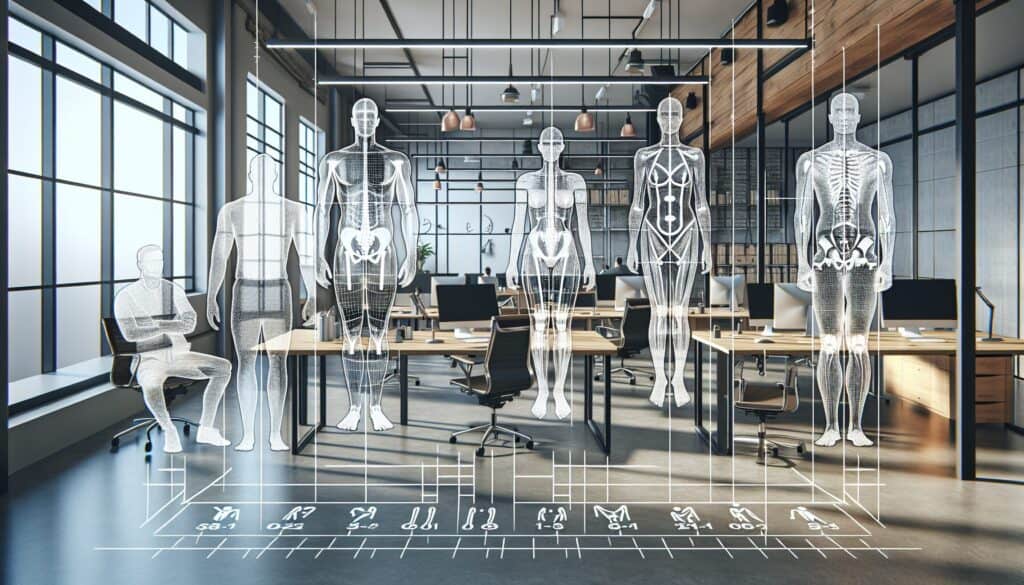
دراسة قياسات الجسم البشري ونسبه لتوجيه تصميم أماكن العمل والمعدات والمنتجات لتناسب فئة المستخدمين.
How it’s used:
Involves using القياسات البشرية data (e.g., height, reach, limb lengths) of the target user population to ensure that designs are dimensionally compatible with their physical characteristics.
الايجابيات
يساعد في تصميم منتجات وبيئات مريحة وآمنة وفعالة للاستخدام من قبل الفئة المستهدفة؛ ويقلل من الإجهاد البدني والأخطاء؛ ويمكن أن يحسن رضا المستخدم.
سلبيات
تختلف البيانات الأنثروبومترية باختلاف السكان (العمر، الجنس، العرق) ويجب أن تكون حديثة؛ ويمكن أن يكون التصميم لمجموعة واسعة من المستخدمين (على سبيل المثال، من النسبة المئوية الخامسة إلى الخامسة والتسعين) أمرًا صعبًا؛ وقد لا تستوعب القياسات الثابتة متطلبات المهام الديناميكية بشكل كامل.
Categories:
بيئة العمل, تصميم المنتج
الأفضل لـ:
استخدام قياسات جسم الإنسان لتصميم أماكن العمل والأدوات والمنتجات التي تناسب المستخدمين المقصودين.
Anthropometric Analysis applies extensively across various industries, including ergonomics, industrial design, and healthcare, facilitating the creation of tools, equipment, and workspaces that are inherently user-centric. This methodology is often employed during the early stages of product development, typically in user research and concept design phases, where understanding the physical characteristics of the target user population is pivotal. Participants in this process include product designers, engineers, ergonomists, and market researchers, who collaborate to gather and analyze anthropometric data relevant to their specific demographic. Industries such as automotive and aerospace rely heavily on this analysis, ensuring that vehicle interiors and control interfaces accommodate diverse user heights and body shapes, thereby enhancing safety and comfort. Similarly, in healthcare, ergonomic design of medical instruments and patient handling equipment is informed by anthropometric data, directly impacting healthcare outcomes through improved usability. The application extends to consumer products like furniture, where knowledge of human dimensions informs the ergonomic design of chairs and tables, ensuring that they can be used comfortably across a broad range of body sizes. This attention to anthropometric details not only reduces physical strain but also minimizes the risk of injury and errors during use, thereby enhancing operational efficiency and user satisfaction in multiple contexts.
Key steps of this methodology
حدد فئة المستخدمين المستهدفة وبياناتهم الأنثروبومترية التمثيلية.
اختر الأبعاد ذات الصلة بناءً على المهام أو التفاعلات المحددة المطلوبة في التصميم.
قم بتحليل توزيع البيانات المختارة لتحديد حدود التصميم (القيم الدنيا والقصوى).
قم بإنشاء أغلفة تصميمية تستوعب مجموعة متنوعة من أحجام وأشكال الجسم ضمن فئة المستخدمين.
تطوير مفاهيم التصميم بناءً على مبادئ بيئة العمل وتفاعلات واجهة المستخدم.
قم بإنشاء نماذج أولية وتقييم التصاميم باستخدام عينة من السكان المستهدفين لاختبار قابلية الاستخدام.
تحسين التصاميم بناءً على الملاحظات والتقييمات المتعلقة بالأداء لتعزيز الملاءمة والراحة.
نصائح احترافية
قم بدمج البيانات القطاعية لتحسين التقييمات المريحة، مع التركيز على توزيع نسب الجسم بين مختلف الفئات السكانية.
Utilize dynamic anthropometry by assessing movement patterns and workspace interactions to create adaptable designs that accommodate varying user scenarios.
قم بتنفيذ عملية النمذجة التكرارية بناءً على البيانات الأنثروبومترية للتحقق من صحة أبعاد التصميم من خلال اختبار المستخدم، مما يضمن توافق الراحة والوظائف مع التطبيقات الواقعية.
To read and compare several methodologies, we recommend the