Product Design, Manufacturing & Innovation Resources
بيت » الرحلان الكهربائي

الرحلان الكهربائي

1970
  • Arne Tiselius
جهاز الرحلان الكهربائي الهلامي المختبري الذي يفصل عينات الحمض النووي حسب الحجم.

(صورة تم إنشاؤها للتوضيح فقط)

الرحلان الكهربائي للهلام هو تقنية تُستخدم لفصل الجزيئات الكبيرة، مثل الحمض النووي الريبوزي منقوص الأكسجين (DNA) والحمض النووي الريبوزي (RNA)، والبروتينات، بناءً على حجمها وشحنتها. يُطبّق مجال كهربائي على مصفوفة هلامية، مما يدفع الجزيئات ذات الشحنة السالبة (مثل الحمض النووي الريبوزي منقوص الأكسجين) نحو القطب الموجب. تهاجر الجزيئات الأصغر حجمًا أسرع وأبعد عبر مسام الهلام مقارنةً بالجزيئات الأكبر حجمًا.
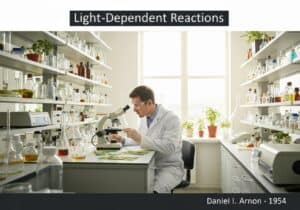
Gel electrophoresis is a cornerstone technique in molecular biology for the separation and analysis of macromolecules, primarily DNA, RNA, and proteins. The principle behind the technique is the migration of charged molecules through a porous gel matrix under the influence of an electric field. Since nucleic acids (DNA and RNA) have a consistently negative charge due to their phosphate backbone, they will naturally migrate towards the positive electrode (anode) when a current is applied. The gel itself, typically made of agarose for larger molecules like genomic DNA fragments or polyacrylamide for smaller fragments and proteins (in a technique called PAGE), acts as a molecular sieve. The matrix is composed of a network of pores through which the molecules must travel. Smaller molecules navigate this maze more easily and quickly than larger molecules, which are impeded more by the gel matrix. Consequently, the molecules are separated based on their size, with the smallest traveling the farthest from the starting point (the well) in a given amount of time. To perform DNA electrophoresis, a sample is first loaded into wells at one end of the gel. A ‘DNA ladder,’ a mixture of DNA fragments of known sizes, is run in a separate lane to serve as a reference for estimating the size of the unknown fragments. After the electric current is applied for a period, the separated fragments are visualized. Because DNA is invisible to the naked eye, a fluorescent dye that intercalates with the DNA, such as ethidium bromide or SYBR Green, is used. When placed under UV light, the dye fluoresces, revealing the DNA as distinct bands, each band representing a collection of fragments of the same size.

UNESCO Nomenclature: 2401
- الكيمياء الحيوية

يكتب

العملية الفيزيائية

الاضطراب

التأسيسية

الاستخدام

الاستخدام الواسع النطاق

السلائف

  • قوانين مايكل فاراداي للتحليل الكهربائي
  • اكتشاف الكهرباء
  • تطوير أرني تيسيليوس للرحلان الكهربائي ذي الحدود المتحركة
  • تطوير وسائل الدعم مثل الورق والنشا، وفي النهاية هلاميات الأجاروز/بولي أكريلاميد
  • اكتشاف الحمض النووي وشحنته السالبة

التطبيقات

  • بصمة الحمض النووي
  • اختبار الأبوة
  • تشخيص الاضطرابات الوراثية
  • تنقية شظايا الحمض النووي للاستنساخ
  • تحليل منتجات تفاعل البوليميراز المتسلسل
  • تحليل البروتين (SDS-PAGE)

براءات الاختراع:

NA

أفكار ابتكارات محتملة

بسبب عمليات جمع البيانات من خلال برامج الروبوت، والتي تتجاوز حاليًا 40 ألفًا يوميًا، فإن هذا المحتوى مخصص لأعضاء المجتمع فقط.
> تسجيل الدخول < أو > سجل < (مجاني 100٪) للوصول إلى هذا، وكذلك جميع المحتويات والأدوات الأخرى المقيدة.

ذات صلة بـ: الفصل الكهربائي الهلامي، فصل الحمض النووي، هلام الأغاروز، بولي أكريلاميد، SDS-PAGE، بصمة الحمض النووي، الوزن الجزيئي، قطع التقييد، الأحماض النووية، البروتينات.

السياق التاريخي

الرحلان الكهربائي

1954
1960
1967
1970
1975
1977
1983
1951
1958
1960
1970
1973
1975
1979
1983

(إذا كان التاريخ غير معروف أو غير ذي صلة، على سبيل المثال "ميكانيكا الموائع"، يتم توفير تقدير تقريبي لظهوره الملحوظ)

الاختراع والابتكار والمبادئ التقنية ذات الصلة

الصور بالحجم الكامل والتنزيلات متاحة فقط 100% مجاناً للأعضاء المسجلين.