Product Design, Manufacturing & Innovation Resources
بيت » Tissue Engineering Scaffolds

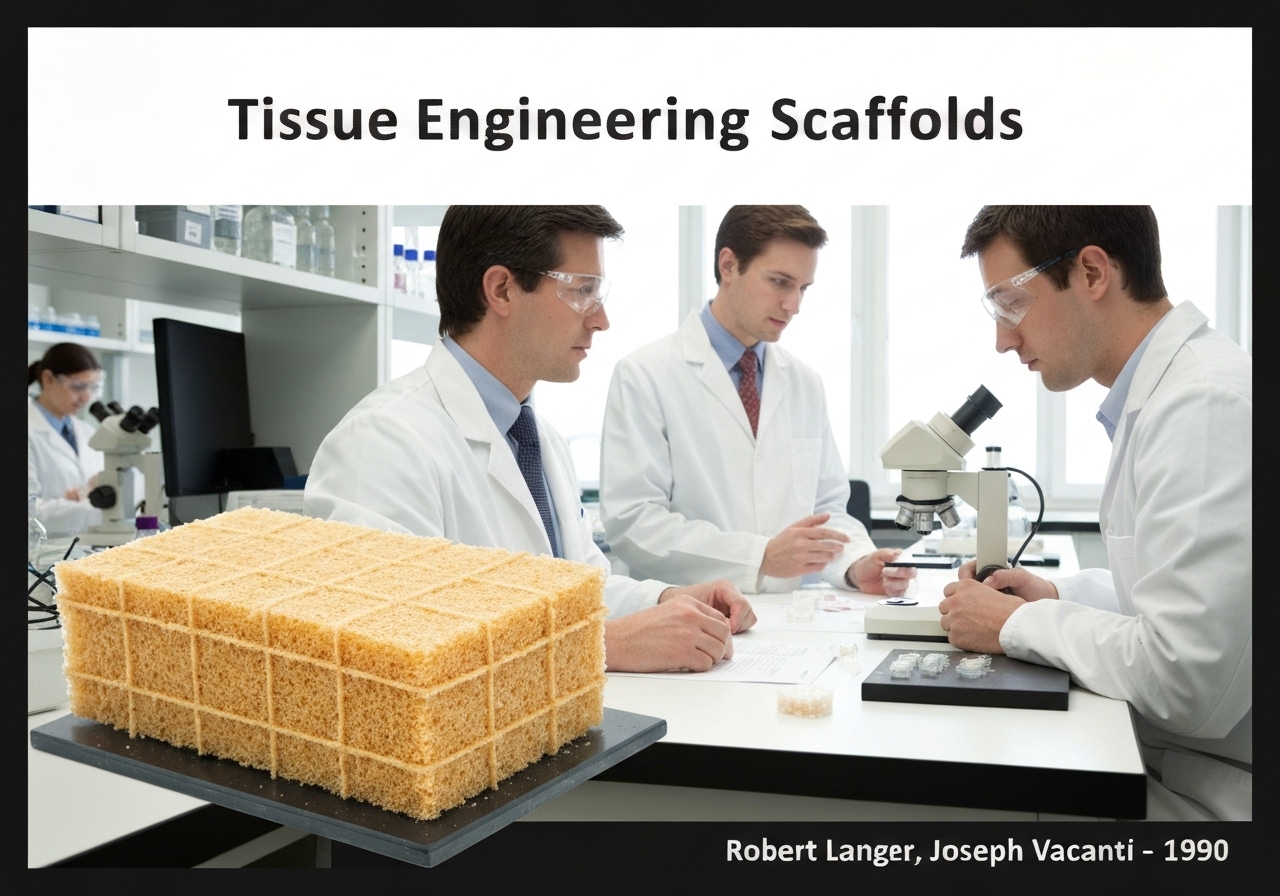
Tissue Engineering Scaffolds

1990
  • Robert Langer
  • Joseph Vacanti
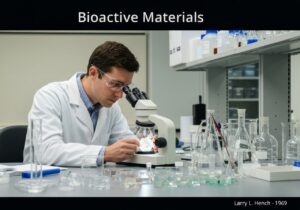
سقالة المواد الحيوية لتجديد الأنسجة في العلوم الطبية.

(صورة تم إنشاؤها للتوضيح فقط)

A tissue engineering scaffold is a porous, three-dimensional biomaterial structure that serves as a temporary template for tissue regeneration. It is designed to support cell attachment, migration, proliferation, and differentiation, guiding the formation of new functional tissue. Key properties include biocompatibility, biodegradability, appropriate mechanical strength, high porosity, and an interconnected pore network to allow nutrient and waste transport.

The design of a tissue engineering scaffold is a complex optimization problem. The material choice is critical; natural polymers like collagen and alginate offer excellent biocompatibility but may have poor mechanical properties, while synthetic polymers like poly(lactic-co-glycolic acid) (PLGA) and polycaprolactone (PCL) offer tunable degradation rates and mechanical strength. The scaffold’s architecture is equally important. High porosity and an interconnected pore structure are essential for cell infiltration and the diffusion of oxygen, nutrients, and metabolic waste. Pore size must be optimized for the specific cell type to facilitate adhesion and tissue formation. Advanced fabrication techniques are used to control these architectural features. For example, electrospinning uses a high voltage to draw a polymer solution into nanofibers that mimic the natural extracellular matrix (ECM). Additive manufacturing (3D printing) allows for the creation of patient-specific scaffolds with precise geometries derived from medical images like CT scans. Furthermore, scaffolds can be functionalized by incorporating growth factors, signaling molecules, or nanoparticles to actively direct cell behavior. The ideal scaffold degrades via hydrolysis or enzymatic action at a rate that matches the rate of new tissue formation, gradually transferring mechanical load to the nascent tissue until the scaffold is completely replaced by healthy, functional host tissue. Bioreactors are often used to mature these constructs in vitro by providing controlled flow and mechanical stimuli before implantation.

UNESCO Nomenclature: 3201
- العلوم الطبية

يكتب

الجهاز المادي

الاضطراب

ثوري

الاستخدام

التكنولوجيا الناشئة

السلائف

  • development of biodegradable polymers like pga and pla for sutures
  • advances in cell culture techniques
  • understanding of cell-extracellular matrix (ecm) interactions
  • discoveries of growth factors and their roles in tissue development

التطبيقات

  • regeneration of bone and cartilage
  • engineering of skin grafts for burn victims
  • creation of blood vessels and heart valves
  • repair of nerve damage using guidance conduits
  • development of bio-artificial organs like livers and bladders

براءات الاختراع:

NA

أفكار ابتكارات محتملة

بسبب عمليات جمع البيانات من خلال برامج الروبوت، والتي تتجاوز حاليًا 40 ألفًا يوميًا، فإن هذا المحتوى مخصص لأعضاء المجتمع فقط.
> تسجيل الدخول < أو > سجل < (مجاني 100٪) للوصول إلى هذا، وكذلك جميع المحتويات والأدوات الأخرى المقيدة.

مرتبط بما يلي: هندسة الأنسجة، سقالة، مادة حيوية، مسامية، قابلة للتحلل الحيوي، التصاق الخلايا، التجديد، الطباعة ثلاثية الأبعاد، الغزل الكهربائي، بلجا.

السياق التاريخي

1969
1976-05-28
1980
1990
1965
1970
1980
1980
1990

(إذا كان التاريخ غير معروف أو غير ذي صلة، على سبيل المثال "ميكانيكا الموائع"، يتم توفير تقدير تقريبي لظهوره الملحوظ)

الاختراع والابتكار والمبادئ التقنية ذات الصلة

الصور بالحجم الكامل والتنزيلات متاحة فقط 100% مجاناً للأعضاء المسجلين.