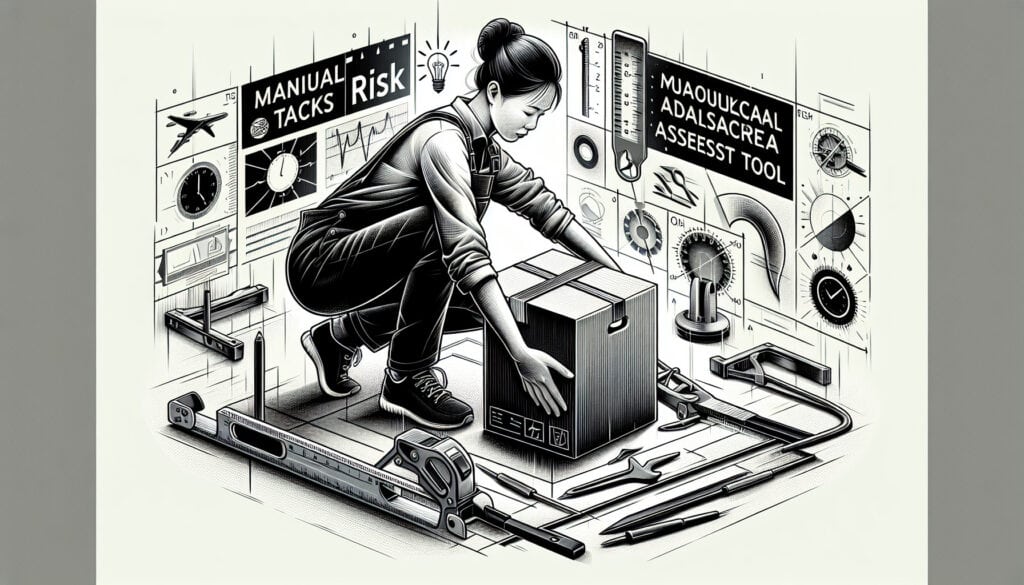
ManTRA serves a wide range of industries, including manufacturing, healthcare, logistics, and construction, where workers frequently engage in manual tasks that pose ergonomic risks. The tool is applicable during the planning and implementation phases of work procedures, allowing organizations to integrate ergonomic assessments into the design of workspaces and practices. It is initiated by safety professionals, ergonomists, or health and safety managers, but should actively involve workers who perform the tasks being assessed, as their feedback can provide invaluable information regarding the practical challenges they face. ManTRA assesses multiple aspects of manual tasks, such as body posture, repetitive actions, and force exertion, which helps organizations identify high-risk activities and implement targeted interventions to mitigate risks. By providing a comprehensive risk score, organizations can prioritize actions based on severity and likelihood, ensuring that the most significant issues are addressed first. This methodology not only aids in compliance with occupational health and safety regulations but also contributes to improved worker well-being, reduced injury rates, lower absenteeism, and higher productivity, reflecting positively on operational efficiency and employee morale. Its structured approach also facilitates comparisons across different tasks and roles, enabling standardized assessments that can guide policy formation and foster continuous improvement in workplace ergonomics. This versatility makes ManTRA an invaluable resource for organizations striving to enhance worker safety and optimize task design.