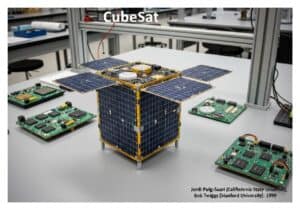
Each class is associated with typical mission profiles. Minisatellites, at the upper end, can still perform complex, multi-instrument science missions or serve as operational telecommunications relays. Microsatellites marked the first major step in miniaturization, often used for technology demonstration, store-and-forward communications, and remote sensing. The nanosatellite class is dominated by the CubeSat standard and is a popular choice for universities and startups. Picosatellites and femtosatellites represent the frontier of miniaturization, often tested as ‘chip-sats’ or for highly specialized, short-duration missions. This classification directly influences design philosophy, from redundancy levels to component selection (e.g., commercial-off-the-shelf vs. space-grade).