一个主要缺陷 伏打桩 这是电极极化现象。工作过程中,铜阴极产生的氢气会在其表面形成一层气泡绝缘层。这层气泡会增加电池的内阻,并减少可用于反应的表面积。因此,电池组在开始使用后不久,其电压和电流输出就会显著下降。


(图片仅供参考)
一个主要缺陷 伏打桩 这是电极极化现象。工作过程中,铜阴极产生的氢气会在其表面形成一层气泡绝缘层。这层气泡会增加电池的内阻,并减少可用于反应的表面积。因此,电池组在开始使用后不久,其电压和电流输出就会显著下降。

极化现象是早期实验者面临的一个主要实际障碍。伏打电堆虽然能够产生电流,但电流无法长时间维持恒定。阴极氢气的积聚会物理阻碍离子从电解质流向电极表面。这不仅增加了物理电阻,还会产生反电动势,与主电池电压相反,进一步降低净输出。
This critical limitation spurred a wave of innovation aimed at creating more stable and longer-lasting batteries. The most significant breakthrough was the Daniell cell, invented by John Frederic Daniell in 1836. It solved the polarization problem by physically separating the anode and cathode compartments and using a chemical depolarizer. In the Daniell cell, the copper cathode is immersed in a copper sulfate solution. Instead of hydrogen ions being reduced, copper ions from the solution are deposited onto the cathode ([latex]Cu^{2+} + 2e^{-} \rightarrow Cu[/latex]), preventing the formation of hydrogen gas. This innovation created the first truly practical battery that could deliver a constant current over time, making technologies like the telegraph commercially viable.
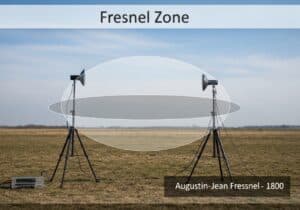
菲涅耳区
菲涅尔区是位于发射器和接收器之间的一系列共焦长椭球区域之一。主菲涅尔区的边界是一个椭球面,在该椭球面上,从发射器到接收器表面某一点的路径长度比直接路径长半个波长,从而导致180度的相位偏移。
电极极化限制
(如果日期未知或不相关,例如“流体力学”,则提供其显著出现的近似估计)

只有注册会员才能免费获得 100% 的全尺寸图片和下载。.
> 登录 <