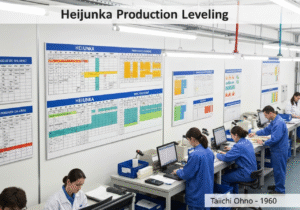
Heijunka, or level scheduling, finds extensive application across various industries such as automotive, electronics, and consumer goods, where maintaining a steady flow of production is vital. In the automotive sector, for example, manufacturers often implement Heijunka to synchronize production rates across different models, ensuring that assembly lines operate smoothly regardless of demand fluctuations. This methodology is especially advantageous during the implementation phase of lean manufacturing practices, as it requires initial planning and commitment from all stakeholders, including production managers, supply chain coordinators, and quality assurance teams. Participants typically analyze historical sales data and forecast trends to design a balanced production schedule that accommodates different product variants, reducing the tendency to overproduce some items while underproducing others. Engaging cross-functional teams can enhance collaboration and communication, mitigating risks associated with stockouts or excess inventory. Heijunka also emphasizes continuous improvement practices, prompting teams to regularly evaluate workload distribution and resource utilization to identify areas for enhancement. Companies that successfully implement level scheduling often report increased flexibility, as they can swiftly adapt to market changes without significant disruptions, subsequently improving customer satisfaction and promoting long-term sustainability. With a focus on minimizing waste through consistent production output, organizations can achieve smoother workflows that contribute to enhanced operational efficiency and reduced costs, reinforcing the broader principles of lean manufacturing.
이 방법론의 주요 단계
현재 생산 공정을 분석하여 수요와 생산 능력의 변동 사항을 파악합니다.
고객 수요와 가용 자원의 균형을 맞춰 이상적인 생산량을 결정하십시오.
제품들을 가공 요구사항이 유사한 제품군으로 분류하여 가격 조정을 용이하게 합니다.
지정된 기간 동안 작업량을 고르게 분산시키는 생산 일정을 수립하십시오.
실제 수요에 맞춰 생산량을 조절하는 풀 시스템을 도입하여 과잉 재고를 줄이십시오.
수요 패턴 변화에 따라 생산 일정을 정기적으로 검토하고 조정하십시오.
헤이준카 원칙과 실천 방법에 대해 직원들을 교육하여 단계별 일정 준수를 보장하십시오.
균형화 전략의 효과성을 평가하기 위해 주요 성과 지표를 모니터링하십시오.
프로 팁
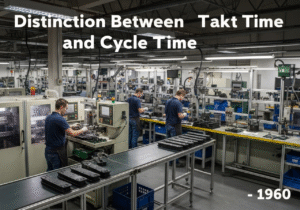
Implement takt time calculations at each workstation to synchronize production rates with customer demand, minimizing variability in output.
Utilize visual management tools, such as Kanban boards, to monitor workflow and adjust production schedules in real time, supporting continuous improvement.
정기적인 가치 흐름 매핑 세션을 통해 병목 현상과 비효율성을 파악하고, 이를 바탕으로 균형 유지 전략을 효과적으로 조정하십시오.