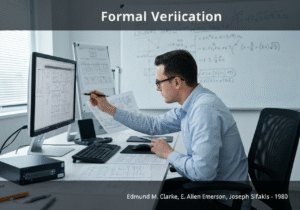
특정 형식 명세 또는 속성에 대한 시스템의 정확성을 증명하거나 반증하는 데 사용되는 일련의 기법입니다. 오류가 치명적인 결과를 초래할 수 있는 안전 필수 시스템에 자주 사용됩니다.
장점
시스템의 정확성에 대한 높은 수준의 확신을 제공하며, 테스트에서 놓칠 수 있는 미묘한 오류까지 찾아낼 수 있습니다.
단점
수행하기가 매우 복잡하고 비용이 많이 들 수 있으며, 전문적인 지식이 필요합니다.
카테고리:
공학, 품질
다음과 같은 경우에 가장 적합합니다:
항공전자 소프트웨어나 의료기기와 같은 안전에 중요한 시스템의 정확성을 검증합니다.
Formal Verification is particularly applicable in sectors where system integrity is non-negotiable, such as aerospace, medical devices, and automotive safety. In these industries, formal methods can be integrated during various project phases, especially during the design and implementation stages, to ensure that specifications align with intended functionalities. For instance, in avionics software, formal verification can offer guarantees that the control algorithms perform correctly under all possible scenarios, which is paramount given the potential for catastrophic failure. Participants in this process typically include software engineers, system architects, quality assurance teams, and verification specialists, collaborating closely to define the formal specifications and using tools such as model checkers or theorem provers to validate them. The implementation of this methodology requires a solid understanding of both the system’s operational context and the mathematical foundations underlying formal verification techniques. One notable application of this methodology is in the verification of safety properties of embedded systems, where it can identify corner cases or edge conditions that traditional testing might overlook, significantly enhancing the reliability of the final product. While the upfront investment in terms of time and resources for applying formal verification can be substantial, it often pays dividends in the long run by reducing the costs associated with failures and recalls, thereby ensuring higher customer trust and product quality in safety-critical domains.
이 방법론의 주요 단계
시스템이 충족해야 하는 형식적 사양 또는 속성을 정의하십시오.
상태 기계나 시간 논리와 같은 형식적 방법을 사용하여 시스템을 모델링하십시오.
모델 검증 또는 정리 증명을 수행하여 모델이 명세에 부합하는지 평가합니다.
검증 과정에서 발생한 위반 사항이나 반례를 파악하고 분석하십시오.
검증 결과를 바탕으로 시스템 설계 또는 모델을 개선하여 오류를 제거합니다.
모델이 사양과 일치할 때까지 검증 과정을 반복합니다.
규정 준수 및 검토 목적을 위해 검증 과정과 결과를 문서화하십시오.
프로 팁
구현 전에 잠재적인 결함을 발견하기 위해 설계 프로세스 초기에 모델 검증을 통합하십시오.
자동화된 정리 증명 도구와 엄격한 형식 명세를 활용하여 검증 범위와 효율성을 향상시키십시오.
형식적 검증과 정적 분석, 견고한 테스트 방법론을 결합하여 심층 방어 전략을 수립하십시오.