Product Design, Manufacturing & Innovation Resources

고객 여정 맵핑

고객 여정 맵핑

고객 여정 맵핑

목적:

시각화 엔드투엔드 고객이 모든 접점과 채널을 통해 조직이나 제품과 접하는 경험을 고객의 관점에서 바라본 것.

사용 방법:

장점

단점

카테고리:

다음과 같은 경우에 가장 적합합니다:

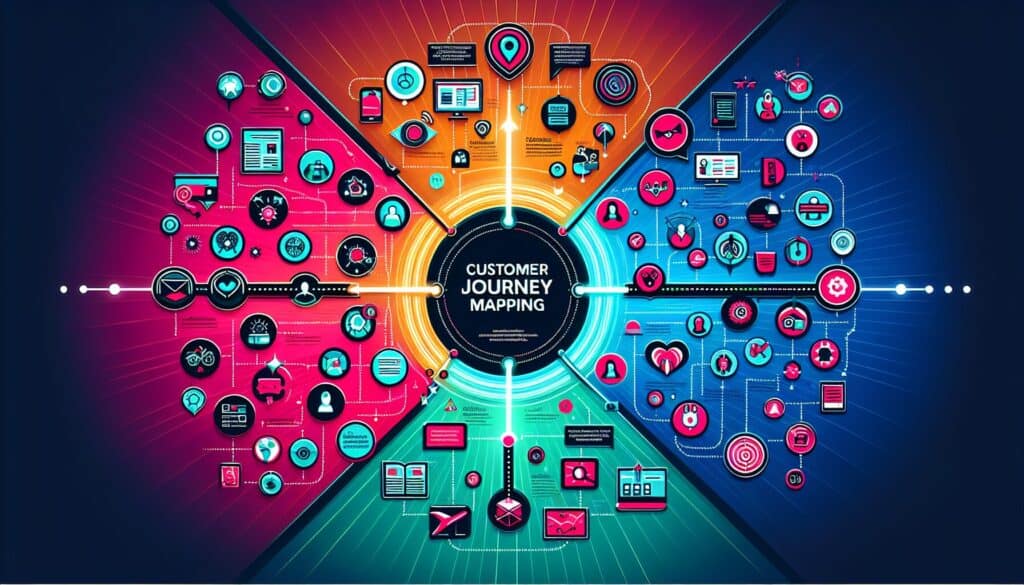
Customer Journey Mapping serves a variety of applications across numerous sectors, including e-commerce, healthcare, and technology, playing a significant role in both product development and service design phases. Typically initiated by product managers or user experience designers, this methodology involves collaboration with cross-functional teams, including marketing, customer service, and R&D, to gather comprehensive data on customer interactions. In an e-commerce context, for instance, mapping can reveal obstacles customers encounter during the checkout process, leading to the design of more efficient payment options or clearer communication regarding shipping – both of which can enhance the purchasing experience. In healthcare, understanding the emotional and psychological states of patients can drive improvements in service delivery and communication strategies. Executed effectively, this mapping process not only visualizes customer touchpoints but also serves as a framework for iterative design sessions, allowing teams to prioritize enhancements based on identified pain points. Companies can leverage insights from this analysis to refine their value propositions, foster customer loyalty through improved satisfaction, and ultimately drive business growth through deeper engagements with their clientele. This methodology also reinforces an empathetic corporate culture, as stakeholders across the organization become more attuned to customer needs and behaviors, leading to a more cohesive strategy that aligns all departments toward enriching user experiences.

이 방법론의 주요 단계

  1. 구체적인 고객 페르소나를 정의하십시오.
  2. 고객 경험의 각 단계를 파악하고 개략적으로 설명하십시오.
  3. 각 단계별 고객 행동을 계획하십시오.
  4. 각 단계에서 고객의 생각과 감정을 기록하십시오.
  5. 고객의 불편 사항과 마찰 영역을 파악하십시오.
  6. 핵심적인 상호작용과 결정적인 순간들을 강조하세요.
  7. 고객 생애주기에서 개선 기회를 포착하세요.
  8. 분석을 위해 데이터를 일관성 있는 형식으로 시각화합니다.
  9. 이해관계자들로부터 지도에 대한 의견을 수렴하세요.
  10. 피드백과 새로운 통찰력을 바탕으로 지도를 개선해 나가세요.

프로 팁

  • 데이터 분석과 고객 피드백을 활용하여 다양한 접점에서 나타나는 추세와 상관관계를 파악하고, 실제 사용 패턴에 기반한 행동을 반영하는 지도를 작성하십시오.
  • 매핑 프로세스 전반에 걸쳐 여러 부서의 팀을 참여시켜 다양한 관점을 수집하고 고객 경험 및 문제점에 대한 통합적인 이해를 증진하십시오.
  • 새로운 데이터와 변화하는 고객 요구사항을 바탕으로 정기적으로 지도를 재검토하고 업데이트하여 관련성을 유지하고 조직 목표와 일관성을 확보하십시오.

여러 방법론을 읽고 비교하기 위해, 저희는 다음을 추천합니다

> 광범위한 방법론 저장소  <
400가지가 넘는 다른 방법론들과 함께.

이 방법론에 대한 의견이나 추가 정보는 언제든지 환영합니다. 아래 댓글란 ↓ , 엔지니어링 관련 아이디어나 링크도 마찬가지입니다.

역사적 맥락

1914
1950
1957
1960
1960
1970
1980
1914
1942
1957
1957
1960
1965
1970
1980

(날짜를 알 수 없거나 관련이 없는 경우, 예를 들어 "유체역학"의 경우, 주목할 만한 등장 시기를 대략적으로 추정하여 제공합니다.)

관련 게시물

고화질 이미지 및 다운로드는 등록된 회원에게만 100% 무료로 제공됩니다.

> 로그인 <