고객 경험, 디자인 프로세스, 디자인 사고, 인간 중심 디자인, Interaction Design, 사용성, 사용성 테스트, 사용자 경험(UX), 사용자 중심 디자인
목적:
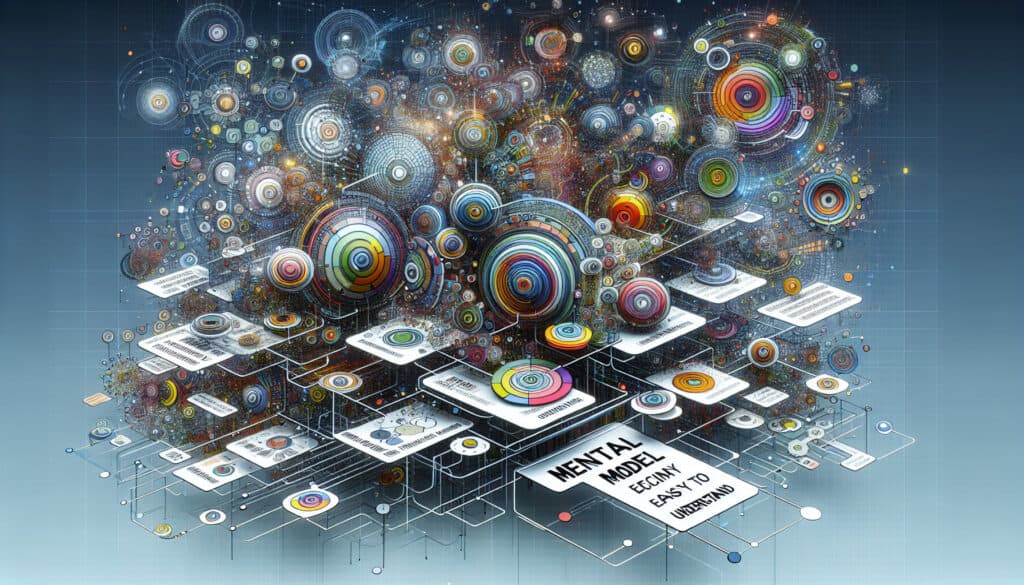
사용자가 시스템이나 프로세스를 어떻게 이해하고 있는지 시각화하기 위해서입니다.
사용 방법:
제품이나 시스템의 작동 방식에 대한 사용자의 신념 체계를 나타내는 다이어그램입니다. 디자이너가 사용자의 기대치를 이해하고 더욱 직관적이고 사용자 친화적인 제품을 설계하는 데 도움이 됩니다.
장점
보다 직관적이고 사용자 친화적인 제품을 설계하는 데 도움이 되며, 사용자의 사고방식과 실제 시스템이 다른 부분을 파악할 수 있습니다.
단점
제작하는 데 시간이 많이 소요될 수 있습니다. 결과는 소수의 사용자 샘플을 기반으로 하므로 대표성이 없을 수 있습니다.
카테고리:
고객 및 마케팅, 제품 디자인
다음과 같은 경우에 가장 적합합니다:
보다 직관적이고 사용자 친화적인 새로운 소프트웨어 애플리케이션이나 웹사이트를 디자인하는 것.
Mental Model Diagrams can be effectively applied in various project phases, particularly during the early stages of product development when understanding user perceptions and expectations is paramount. Typically used in industries such as software development, web design, and consumer electronics, these diagrams allow design teams to visualize how users conceptualize the operations and features of a system. Participants in this process should include product designers, UX/UI specialists, and stakeholders who have a deep understanding of the target audience, making it imperative to gather qualitative data through user interviews or 사용성 testing. By mapping out users’ beliefs and assumptions about a product, design teams can pinpoint discrepancies between the user’s mental model and the actual workings of the system, which may lead to usability issues. This methodology can be particularly beneficial in industries that require complex system interactions, such as healthcare technology or finance, where a clear understanding of user expectations can significantly enhance user satisfaction and adoption rates. An example application could be creating an e-commerce platform where customers have specific expectations about checkout processes. If designers can visualize user assumptions, they can design a smoother, more predictable experience that caters to user expectations, thereby increasing conversion rates and reducing cart abandonment. Through this collaborative approach, teams can ensure that their final product reflects user needs more accurately, ultimately leading to a more engaging and user-friendly experience.
이 방법론의 주요 단계
제품 또는 시스템과 관련된 사용자 작업 및 목표를 파악합니다.
사용자의 관점에서 시스템 기능에 대한 개괄적인 설명을 작성하십시오.
사용자가 제품 작동 방식에 대해 갖고 있는 믿음과 기대치를 파악하십시오.
사용자의 사고방식과 시스템의 실제 기능을 비교하십시오.
디자인 및 사용성 측면에서 불일치 사항과 개선 영역을 파악합니다.
정신 모델 분석 결과를 바탕으로 디자인 컨셉을 다듬으세요.
사용자 피드백을 바탕으로 디자인을 개선하고, 사용자 기대치에 부합하는지 확인합니다.
프로 팁
사용자 인터뷰를 통해 즉시 드러나지 않을 수 있는 잠재적인 사고방식을 파악하세요. 이를 통해 사용자 기대에 부합하는 디자인 선택을 할 수 있습니다.
카드를 사용하세요 정렬 사용자가 정보를 분류하는 방식을 이해하는 방법으로, 이는 탐색 구조 및 레이블 지정 규칙에 도움이 될 수 있습니다.
반복적인 프로토타입을 제작하고 특정 정신 모델 가정에 초점을 맞춰 사용성 테스트를 수행하며, 사용자가 자신의 기대치와 인터페이스를 일치시키는 데 어려움을 겪는 부분을 관찰합니다.