Product Design, Manufacturing & Innovation Resources

非監視型ユーザビリティテスト(多くの場合リモート実施)

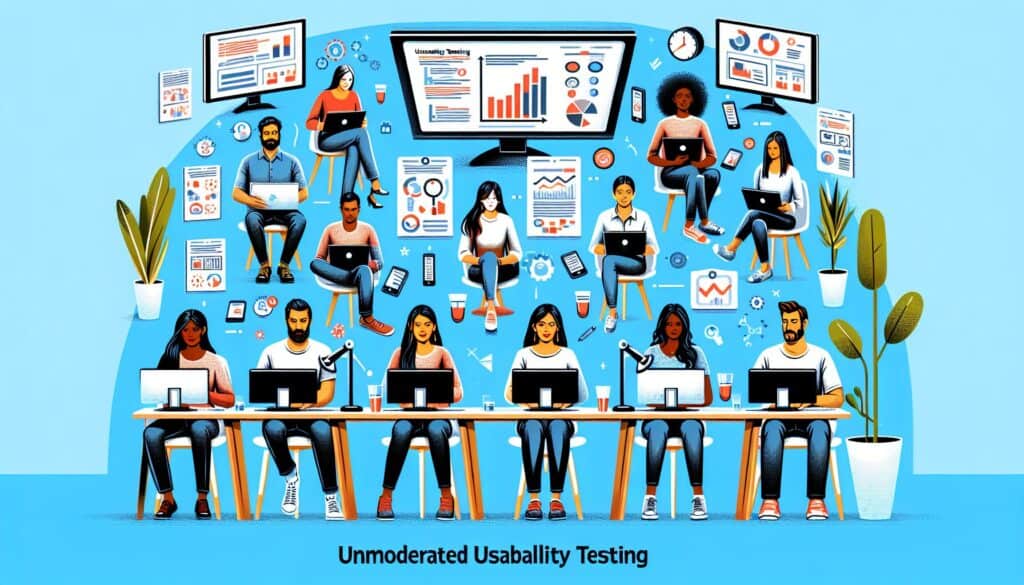
Unmoderated Usability Testing

非監視型ユーザビリティテスト(多くの場合リモート実施)

客観的:

A usability evaluation method where participants complete predefined tasks with a product or prototype on their own, without a moderator present, typically using an online testing platform that records their screen, voice (if think-aloud is requested), and clicks.

使用方法:

長所

短所

カテゴリー:

最適な用途:

Unmoderated Usability Testing is particularly applicable in the stages of product development where iterative testing and validation are necessary, such as during prototyping or post-design reviews. Industries utilizing this methodology range from software development and e-commerce to mobile application design and user interface engineering, where rapid feedback cycles are common. Participants often include end-users who can be recruited via platforms like UserTesting or Lookback, allowing for a diverse demographic representation. These tests can be initiated by product managers, UX designers, or researchers who set specific tasks targeting certain features or workflows. As users perform tasks in their natural settings, insights captured reflect authentic interactions with the product, facilitating the identification of usability issues that might not emerge in traditional moderated sessions. This method can also employ various tools for automatic video and screen recording, allowing researchers to analyze user behavior in detail, enhancing the understanding of how users engage with specific elements of the design. Furthermore, the ability to receive both qualitative feedback through post-task questions and quantitative metrics can drive informed decision-making in iterative design processes, helping teams prioritize changes that will significantly enhance user experience.

この方法論の主なステップ

  1. ユーザビリティテストの明確な目的とタスクを定義する。
  2. リンク経由でアクセスできる、ユーザーフレンドリーなテスト環境を作成する。
  3. 参加者には、タスクを完了するための分かりやすい指示を与えてください。
  4. テストプロセス中の参加者のやり取りを自動的に記録します。
  5. 追加の背景情報を提供するために、課題実施前と実施後に質問を含めてください。
  6. 参加者の行動を間接的に監視し、自然な交流を確保する。
  7. 収集したデータを分析・解釈し、ユーザビリティに関する知見を得る。

プロのヒント

  • 現実世界の状況を反映したタスクシナリオを活用することで、より現実的なユーザーの行動やフィードバックを引き出すことができます。
  • 参加者が課題遂行中の思考プロセスを明確に表現できるよう、定性的なフォローアップ質問を取り入れる。
  • データ処理を高速化するために自動分析ツールを導入し、ユーザー操作の微妙な解釈に集中できるようにする。

複数の方法論を読み比べて、 私たちは、

> 包括的な方法論リポジトリ  <
400以上の他の手法と併せて。

この方法論に関するご意見や追加情報は、 以下のコメント欄 ↓、エンジニアリング関連のアイデアやリンクも同様です。

歴史的背景

1941
1986
1990
2000
1950
1990
1990

(日付が不明または関連性がない場合、例えば「流体力学」などでは、その注目すべき出現時期の概算値が提示されます。)

関連記事

フルサイズの画像とダウンロードは、登録会員のみが100%無料で利用できます。