Product Design, Manufacturing & Innovation Resources

اختبار قابلية الاستخدام غير الخاضع للإشراف (غالباً عن بُعد)

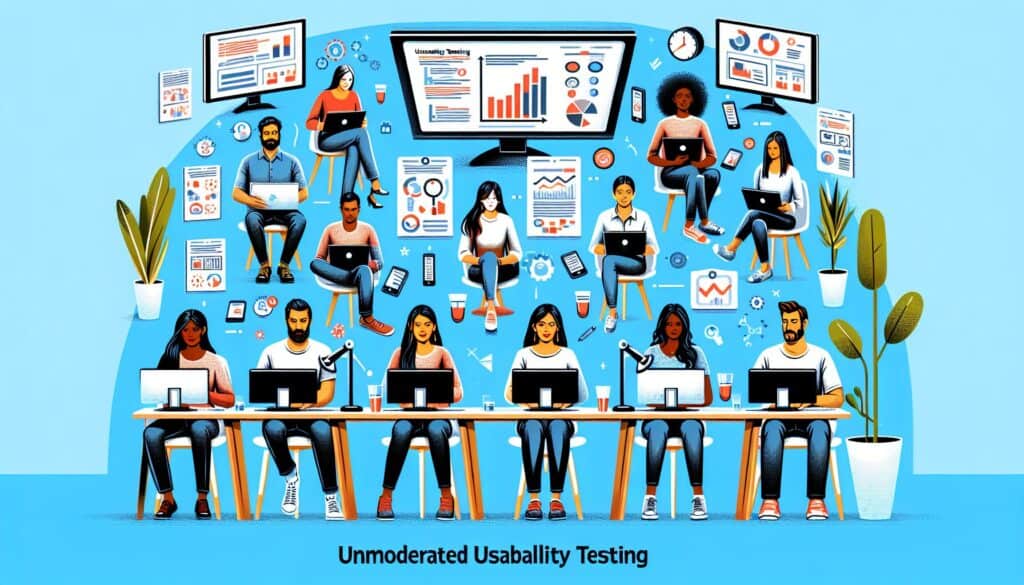
Unmoderated Usability Testing

اختبار قابلية الاستخدام غير الخاضع للإشراف (غالباً عن بُعد)

الهدف:

A usability evaluation method where participants complete predefined tasks with a product or prototype on their own, without a moderator present, typically using an online testing platform that records their screen, voice (if think-aloud is requested), and clicks.

كيفية استخدامه:

الايجابيات

سلبيات

الفئات:

الأفضل لـ:

Unmoderated Usability Testing is particularly applicable in the stages of product development where iterative testing and validation are necessary, such as during prototyping or post-design reviews. Industries utilizing this methodology range from software development and e-commerce to mobile application design and user interface engineering, where rapid feedback cycles are common. Participants often include end-users who can be recruited via platforms like UserTesting or Lookback, allowing for a diverse demographic representation. These tests can be initiated by product managers, UX designers, or researchers who set specific tasks targeting certain features or workflows. As users perform tasks in their natural settings, insights captured reflect authentic interactions with the product, facilitating the identification of usability issues that might not emerge in traditional moderated sessions. This method can also employ various tools for automatic video and screen recording, allowing researchers to analyze user behavior in detail, enhancing the understanding of how users engage with specific elements of the design. Furthermore, the ability to receive both qualitative feedback through post-task questions and quantitative metrics can drive informed decision-making in iterative design processes, helping teams prioritize changes that will significantly enhance user experience.

الخطوات الرئيسية لهذه المنهجية

  1. حدد أهدافًا ومهامًا واضحة لاختبار سهولة الاستخدام.
  2. أنشئ بيئة اختبار سهلة الاستخدام يمكن الوصول إليها عبر رابط.
  3. زوّد المشاركين بتعليمات واضحة لإنجاز المهمة.
  4. تسجيل تفاعلات المشاركين تلقائيًا أثناء عملية الاختبار.
  5. أضف أسئلة قبل المهمة وبعدها لتوفير سياق إضافي.
  6. مراقبة سلوك المشاركين بشكل غير مباشر لضمان التفاعلات الطبيعية.
  7. قم بتحليل وتفسير البيانات التي تم جمعها لاستخلاص نتائج سهولة الاستخدام.

نصائح للمحترفين

  • استخدم سيناريوهات المهام التي تعكس سياقات العالم الحقيقي لاستخلاص سلوك المستخدم وردود فعله بشكل أكثر أصالة.
  • قم بتضمين أسئلة متابعة نوعية تشجع المشاركين على التعبير عن عمليات تفكيرهم أثناء إنجاز المهمة.
  • قم بتطبيق أدوات التحليل الآلي لمعالجة البيانات بشكل أسرع، مما يسمح بالتركيز على التفسيرات الدقيقة لتفاعلات المستخدم.

لقراءة عدة منهجيات ومقارنتها, نوصي باستخدام

> مستودع المنهجيات الشامل  <
مع أكثر من 400 منهجية أخرى.

نرحب بتعليقاتكم على هذه المنهجية أو المعلومات الإضافية على قسم التعليقات أدناه ↓، وكذلك أي أفكار أو روابط متعلقة بالهندسة.

السياق التاريخي

1941
1986
1990
2000
1950
1990
1990

(إذا كان التاريخ غير معروف أو غير ذي صلة، على سبيل المثال "ميكانيكا الموائع"، يتم توفير تقدير تقريبي لظهوره الملحوظ)

الصور بالحجم الكامل والتنزيلات متاحة فقط 100% مجاناً للأعضاء المسجلين.