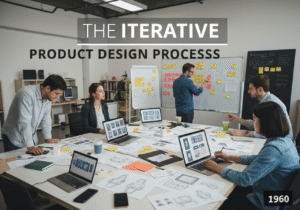
Starbursting is effectively applied across various industries, including technology, healthcare, consumer goods, and automotive design, facilitating the ideation and development phases of product design and innovation. This methodology is particularly beneficial during the concept generation stage of a project, where teams are tasked with defining the scope and feasibility of new ideas. Stakeholders such as product managers, designers, engineers, and marketing specialists typically initiate the process, ensuring a well-rounded discussion that incorporates diverse expertise and viewpoints. Each participant adds value by posing questions that cover the dimensions of the star, addressing essential considerations like user demographics, market trends, regulatory requirements, logistical considerations, and technical feasibility. For example, in developing a new medical device, the Starbursting technique could be utilized to inquire about patient needs (Who), device functionalities (What), regulatory timelines (When), target markets (Where), underlying motivations for development (Why), and technological constraints (How). Through this structured questioning approach, teams can surface potential challenges and opportunities, enabling a thorough exploration that can lead to innovative solutions aligned closely with user needs and market demands. The method can also serve to align diverse project stakeholders, ensuring that all relevant questions are considered before moving into prototyping or implementation phases, thereby minimizing the risk of encountering unforeseen issues later in the development process.
この方法論の主なステップ
プロのヒント
複数の方法論を読み比べて、 私たちは、
> 包括的な方法論リポジトリ <
400以上の他の手法と併せて。
この方法論に関するご意見や追加情報は、 以下のコメント欄 ↓、エンジニアリング関連のアイデアやリンクも同様です。