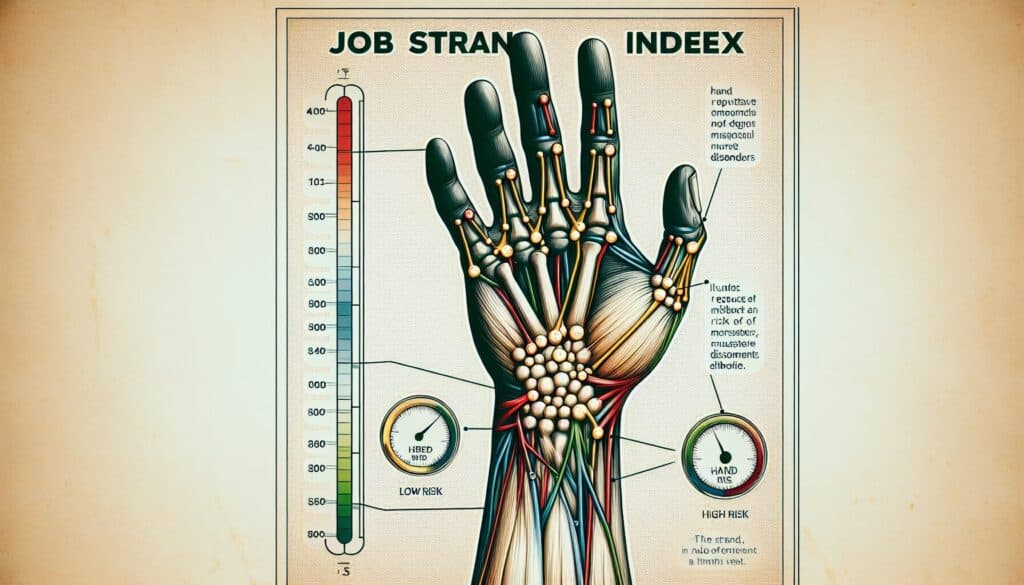
The Job Strain Index (JSI) is particularly beneficial in various sectors that involve manual labor, such as manufacturing, construction, healthcare, and warehousing, where workers are susceptible to musculoskeletal disorders. This methodology is most effectively applied during the ergonomics assessment phase of workplace design or during the evaluation of existing job tasks to identify risks associated with specific work activities. It is typically initiated by occupational health and safety professionals, ergonomists, or human factors specialists, often in collaboration with workers, supervisors, and management to ensure a comprehensive understanding of job demands and work environments. The process includes observational studies and data collection on workers’ tasks, thereby engaging different stakeholders in the evaluation process, including engineers looking to improve workstation designs and occupational therapists assessing the impact of job requirements on individual health. The JSI score serves as a quantifiable measure that can drive interventions, such as redesigning tasks to minimize risk factors, implementing job rotation strategies, or offering training to modify manual handling techniques. Its user-friendly nature allows for quick on-site evaluations, making it a practical tool during safety audits or in the development of workplace initiatives that aim to enhance worker well-being while maintaining productivity standards. By providing a clear numerical risk assessment, JSI aids in prioritizing actions needed for improvement, offering a straightforward approach to risk management in operational settings.