지속적인 개선, 인간 공학, 보건과학, 인간적 요소, 린 제조, 프로세스 개선, 품질 관리, 위험 관리, 안전
목적:
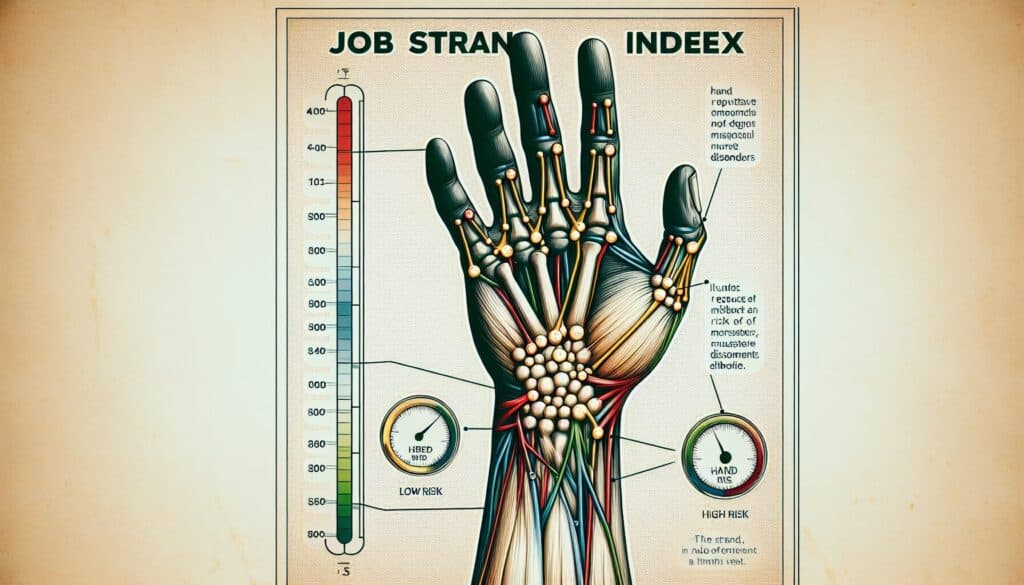
손, 손목, 팔뚝 및 팔꿈치의 근골격계 질환 위험을 평가하는 방법으로, 주로 반복적이고 강한 동작과 관련이 있습니다.
사용 방법:
작업 강도, 주기당 작업 지속 시간, 분당 작업량, 손/손목 자세, 작업 속도 및 일일 작업 시간 등을 기준으로 점수를 계산합니다. 특정 기준치를 초과하는 점수는 위험한 작업임을 나타냅니다.
장점
데이터 수집 후 적용이 비교적 간단하고 신속하며, 상지 말단 질환의 주요 위험 요인에 초점을 맞추고 단일 위험 점수를 제공합니다.
단점
제한된 수의 위험 요인만 고려하며, 모든 유형의 상지 작업에 적합하지 않을 수 있고, 일부 요인에 대해서는 주관적인 추정에 의존합니다.
카테고리:
인간 공학
다음과 같은 경우에 가장 적합합니다:
직무로 인해 상지 말단 부위에 근골격계 질환이 발생할 위험성을 평가합니다.
The Job Strain Index (JSI) is particularly beneficial in various sectors that involve manual labor, such as manufacturing, construction, healthcare, and warehousing, where workers are susceptible to musculoskeletal disorders. This methodology is most effectively applied during the ergonomics assessment phase of workplace design or during the evaluation of existing job tasks to identify risks associated with specific work activities. It is typically initiated by occupational health and safety professionals, ergonomists, or human factors specialists, often in collaboration with workers, supervisors, and management to ensure a comprehensive understanding of job demands and work environments. The process includes observational studies and data collection on workers’ tasks, thereby engaging different stakeholders in the evaluation process, including engineers looking to improve workstation designs and occupational therapists assessing the impact of job requirements on individual health. The JSI score serves as a quantifiable measure that can drive interventions, such as redesigning tasks to minimize risk factors, implementing job rotation strategies, or offering training to modify manual handling techniques. Its user-friendly nature allows for quick on-site evaluations, making it a practical tool during safety audits or in the development of workplace initiatives that aim to enhance worker well-being while maintaining productivity standards. By providing a clear numerical risk assessment, JSI aids in prioritizing actions needed for improvement, offering a straightforward approach to risk management in operational settings.
이 방법론의 주요 단계
표준화된 척도를 사용하여 각 작업에 필요한 노력의 강도를 결정하십시오.
각 작업에 대해 주기당 소요되는 운동 시간을 평가하십시오.
관련 작업에 분당 투입된 노력 횟수를 계산하십시오.
정해진 기준을 사용하여 각 작업 중 손/손목 자세를 평가합니다.
분석의 일환으로 각 작업의 작업 속도를 측정하십시오.
매일 수행하는 작업에 소요되는 시간을 추정하십시오.
평가된 모든 매개변수를 종합하여 직무 스트레스 지수 점수를 계산합니다.
계산된 점수를 설정된 임계값과 비교하여 위험 수준을 결정합니다.
프로 팁
작업 관찰 결과를 JSI 계산과 통합하여 실제 작업 강도 변화를 파악하고 설계 조정에 활용합니다.
Utilize the JSI data as a baseline for iterative design changes and re-evaluate periodically to track the effectiveness of ergonomic interventions.
다양한 분야의 전문가로 구성된 팀과 협력하여 환경 및 워크플로와 같은 상황별 변수를 평가함으로써 JSI 적용의 정확도를 향상시킵니다.