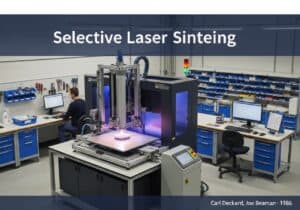
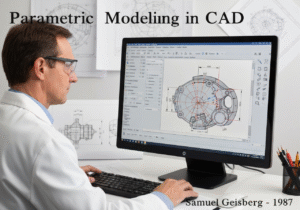
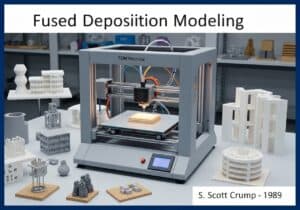
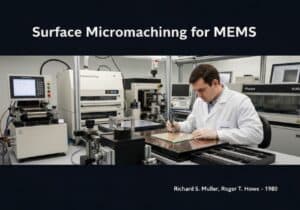
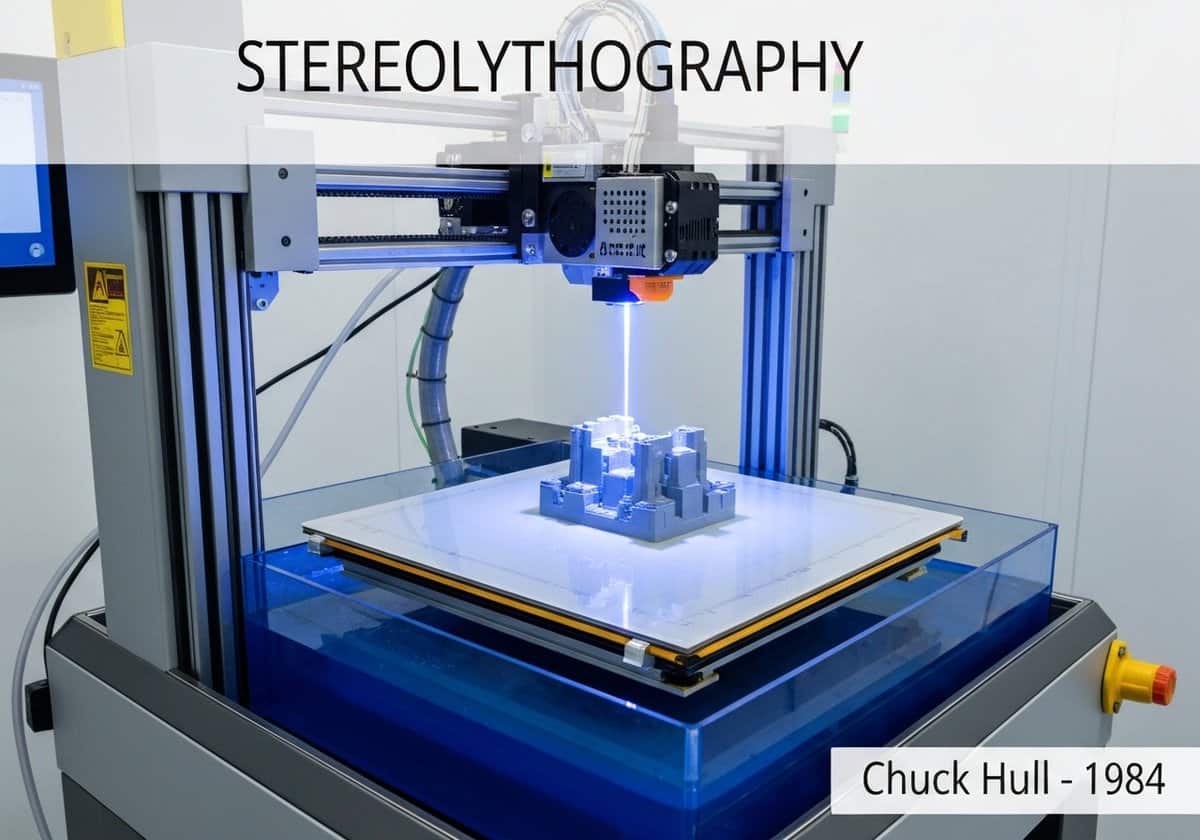
Stereolithography is a vat photopolymerization additive 製造 プロセスを採用しています。 紫外線 (UV)レーザーを用いて、液体光硬化性樹脂を選択的に硬化・固化させる。造形プラットフォームを樹脂に浸漬し、レーザーで対象物の断面を表面にトレースする。その後、プラットフォームを一層分だけ下降させ、その上に新たな樹脂層を硬化させる。


(画像はイメージです)
Stereolithography is a vat photopolymerization additive 製造 プロセスを採用しています。 紫外線 (UV)レーザーを用いて、液体光硬化性樹脂を選択的に硬化・固化させる。造形プラットフォームを樹脂に浸漬し、レーザーで対象物の断面を表面にトレースする。その後、プラットフォームを一層分だけ下降させ、その上に新たな樹脂層を硬化させる。

The SLA process begins with a 3D CAD model, which is sliced into thin horizontal layers. For each layer, the laser beam, directed by scanning mirrors, traces the corresponding pattern on the surface of the liquid photopolymer. The UV energy triggers a chemical reaction, polymerization, which solidifies the resin where the laser hits. After a layer is completed, the platform descends, and a recoater blade sweeps across the surface to ensure the next layer of liquid resin is smooth and of a consistent thickness. This cycle repeats until the entire object is built. Because parts are built in a liquid vat, they often require support structures to anchor them to the build platform and to support overhangs and islands. After printing, the part is removed from the machine, washed in a solvent (like isopropyl alcohol) to remove excess uncured resin, and then post-cured in a UV chamber to fully solidify the polymer and achieve its final mechanical properties. SLA is known for producing parts with very high accuracy, intricate details, and a smooth surface finish, making it ideal for applications where aesthetics and precision are critical. However, the materials are often more brittle and less UV-stable than thermoplastics used in other processes.
ボットによるトラフィック(現在1日あたり4万件以上)を排除するため、このコンテンツはコミュニティメンバー限定となっています。
> ログイン < または > 登録 < (100%無料)でこれにアクセスできます。他のすべての制限付きコンテンツとツールも同様です。
光造形法(SLA)
(日付が不明または関連性がない場合、例えば「流体力学」などでは、その注目すべき出現時期の概算値が提示されます。)
フルサイズの画像とダウンロードは、登録会員のみが100%無料で利用できます。
> ログイン <