Product Design, Manufacturing & Innovation Resources

फॉल्ट ट्री एनालिसिस (FTA)

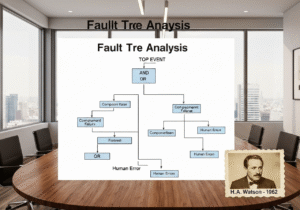
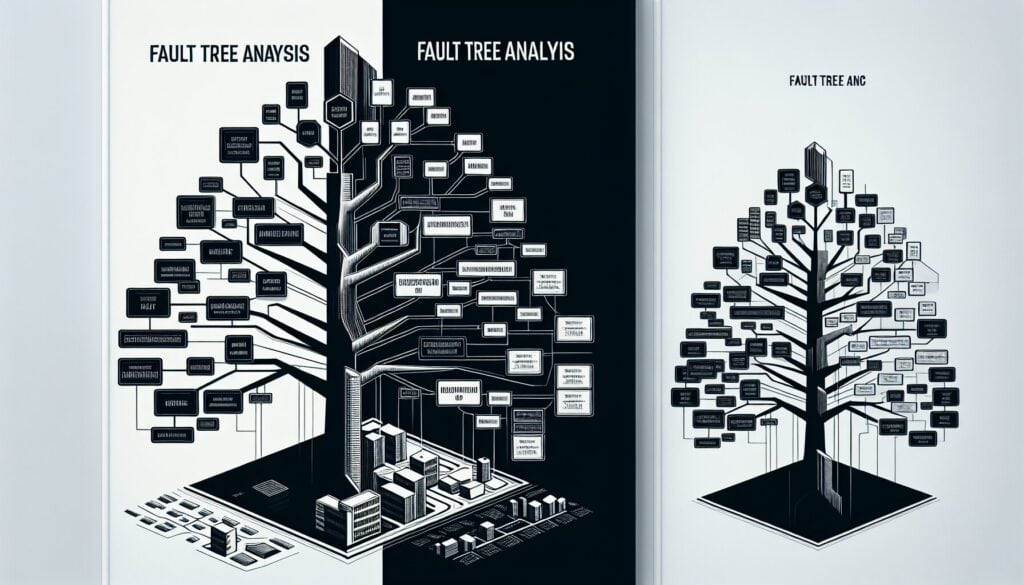
Fault Tree Analysis

फॉल्ट ट्री एनालिसिस (FTA)

उद्देश्य:

A top-down, deductive failure analysis technique where an undesired state of a system (the “top event” or failure) is analyzed using Boolean logic to combine a series of lower-level events or failures that could cause it.


इसका उपयोग कैसे किया जाता है:

फायदे

नुकसान

श्रेणियाँ:

इसके लिए सबसे अच्छा:

Fault Tree Analysis (FTA) is particularly advantageous in industries such as aerospace, automotive, nuclear power, and healthcare, where system reliability and safety are paramount. This methodology is effective during the design phase of a project, where engineers and designers can preemptively identify potential failure modes before they manifest in real-world applications. For example, in the aerospace sector, FTA can be employed to analyze the reliability of a flight control system, mapping out all possible failure pathways that could lead to a flight safety incident. In the automotive industry, manufacturers might utilize FTA when developing new vehicle models to ensure that all safety mechanisms are robust against potential failure scenarios. Participants in an FTA typically include system engineers, safety engineers, and reliability analysts, who collaboratively assess both hardware and software components of a system. It is often initiated by stakeholders seeking to improve operational safety and reduce risks associated with system failures. By quantifying the probabilities of basic events, FTA also enables organizations to allocate resources effectively, directing focus to the most significant risk factors that, if addressed, would yield substantial improvements in safety and reliability metrics. The visual representation of the fault tree further facilitates communication among multidisciplinary teams and supports decision-making processes by providing clear pathways that depict how various failures can converge to a top event. This structured approach aligns well with regulatory requirements in industries governed by strict safety standards, ultimately leading to enhanced compliance with safety protocols.

इस पद्धति के प्रमुख चरण

  1. सिस्टम की विफलता को दर्शाने वाली शीर्ष घटना को परिभाषित करें।
  2. उन तात्कालिक कारणों की पहचान करें जो मुख्य घटना का कारण बन सकते हैं।
  3. उन मध्यवर्ती घटनाओं का विकास करें जो तात्कालिक कारणों में योगदान करती हैं।
  4. घटनाओं के बीच संबंध दर्शाने के लिए तार्किक द्वारों (AND, OR) का उपयोग करें।
  5. जहां संभव हो, मूलभूत घटनाओं को प्रायिकताएँ प्रदान करें।
  6. मूलभूत घटनाओं की प्रायिकताओं का उपयोग करके शीर्ष घटना की प्रायिकता की गणना करें।
  7. त्रुटि वृक्ष की पूर्णता और सटीकता सुनिश्चित करने के लिए उसकी समीक्षा करें और उसमें सुधार करें।

प्रो टिप्स

  • Incorporate Failure Mode Effects Analysis (FMEA) with FTA for a comprehensive understanding of failure modes and their effects on system performance.
  • मूलभूत घटनाओं को दी गई संभावनाओं पर संवेदनशीलता विश्लेषण का उपयोग करके यह पहचानें कि कौन सी घटनाएँ शीर्ष घटना की संभावना को सबसे अधिक प्रभावित करती हैं।
  • सिस्टम डिजाइन में बदलाव होने पर या परिचालन डेटा उपलब्ध होने पर जोखिम मूल्यांकन में प्रासंगिकता और सटीकता सुनिश्चित करने के लिए फॉल्ट ट्री को नियमित रूप से अपडेट करें।

विभिन्न पद्धतियों को पढ़ने और उनकी तुलना करने के लिए, हम अनुशंसा करते हैं

> व्यापक कार्यप्रणाली भंडार  <
अन्य 400 से अधिक पद्धतियों के साथ।

इस कार्यप्रणाली पर आपकी टिप्पणियाँ या अतिरिक्त जानकारी का स्वागत है। नीचे टिप्पणी अनुभाग देखें ↓ , साथ ही इंजीनियरिंग से संबंधित कोई भी विचार या लिंक।

ऐतिहासिक संदर्भ

1960
1960
1960
1962
1964
1970
1970
1960
1960
1960
1960
1963
1965-12-21
1970
1970

(यदि तिथि अज्ञात है या प्रासंगिक नहीं है, उदाहरण के लिए "द्रव यांत्रिकी", तो इसके उल्लेखनीय उद्भव का एक अनुमानित आंकड़ा प्रदान किया गया है)


संबंधित पोस्ट

पंजीकृत सदस्यों के लिए पूर्ण आकार की छवियाँ और डाउनलोड 100% निःशुल्क उपलब्ध हैं।