Product Design, Manufacturing & Innovation Resources

एजाइल मार्केटिंग

एजाइल मार्केटिंग

एजाइल मार्केटिंग

उद्देश्य:

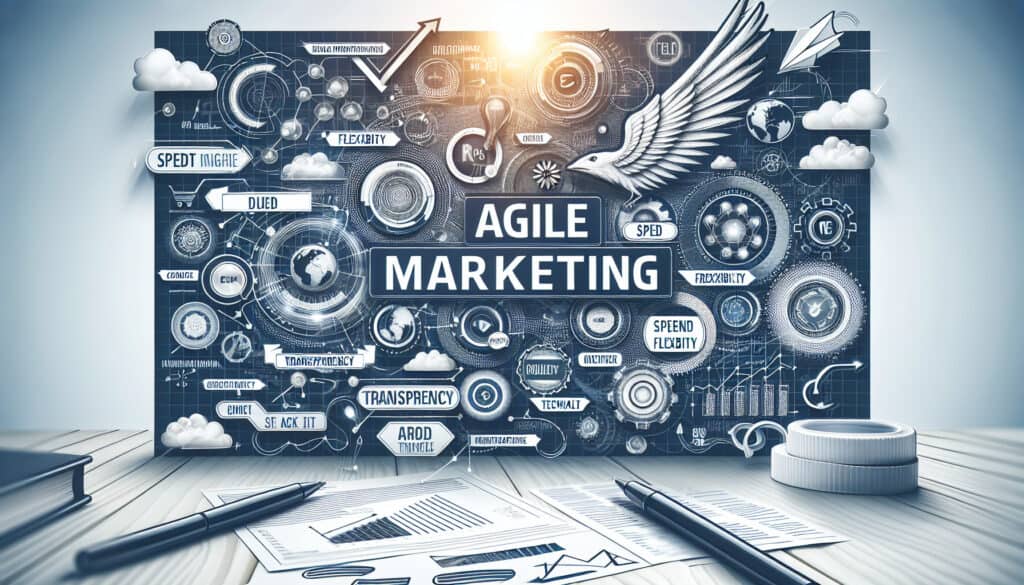
A विपणन approach that uses the principles of agile सॉफ्टवेयर development to improve the speed, predictability, transparency, and adaptability of marketing functions.

इसका उपयोग कैसे किया जाता है:

फायदे

नुकसान

श्रेणियाँ:

इसके लिए सबसे अच्छा:

Agile marketing is particularly effective in industries where speed and adaptability are paramount, such as technology, e-commerce, and consumer goods. Within these sectors, teams often initiate Agile marketing methodology during the project planning phase, where the need for rapid experimentation and iteration becomes evident. Participants typically include cross-functional members such as content creators, data analysts, product managers, and SEO specialists, all collaborating to ensure that each sprint produces actionable results. This approach allows teams to conduct A/B testing for marketing strategies, facilitating the rapid testing of various campaign elements and the immediate incorporation of feedback to refine messaging and visual content in real-time. For instance, a tech company launching a new software platform might employ Agile marketing to iteratively test different user engagement campaigns across social media and email channels, adjusting tactics based on user interaction data collected after each sprint. The methodology enhances transparency and accountability within teams, as everyone can track progress and outcomes against set objectives, leading to enhanced morale and fostering a culture of continuous improvement. Furthermore, the ability to pivot quickly in response to market trends or competitor moves can be a significant advantage, helping organizations maintain relevance and capitalize on emerging opportunities, while ensuring marketing investments yield optimal returns.

इस पद्धति के प्रमुख चरण

  1. Define the sprint goal to address specific marketing challenges.
  2. Create a prioritized backlog of tasks that align with the sprint goal.
  3. Select tasks from the backlog based on team capacity and sprint duration.
  4. Conduct daily stand-up meetings to discuss progress and obstacles.
  5. Execute the tasks, collaboratively developing and refining marketing materials.
  6. Gather feedback from stakeholders throughout the sprint.
  7. Conduct a sprint review to showcase completed work and collect further input.
  8. Hold a sprint retrospective to identify process improvements for future sprints.

प्रो टिप्स

  • Implement a feedback loop that allows stakeholders to regularly assess project outcomes and pivot strategies based on data-driven insights.
  • Utilize retrospective meetings after each sprint to evaluate team performance and identify areas for continuous improvement, enhancing future project cycles.
  • Incorporate cross-functional teams to leverage diverse expertise and perspectives, fostering innovation and adaptability during rapid project iterations.

विभिन्न पद्धतियों को पढ़ने और उनकी तुलना करने के लिए, हम अनुशंसा करते हैं

> व्यापक कार्यप्रणाली भंडार  <
अन्य 400 से अधिक पद्धतियों के साथ।

इस कार्यप्रणाली पर आपकी टिप्पणियाँ या अतिरिक्त जानकारी का स्वागत है। नीचे टिप्पणी अनुभाग देखें ↓ , साथ ही इंजीनियरिंग से संबंधित कोई भी विचार या लिंक।

ऐतिहासिक संदर्भ

1914
1950
1957
1960
1960
1970
1980
1914
1942
1957
1957
1960
1965
1970
1980
मार्केटिंग टीम एक आधुनिक कार्यालय में उत्पाद जीवन चक्र विस्तार की रणनीति बना रही है।

उत्पाद जीवन चक्र विस्तार रणनीतियाँ

कंपनियां सक्रिय रूप से एक उत्पाद के जीवन चक्र का प्रबंधन और विस्तार कर सकती हैं, विशेष रूप से परिपक्वता और गिरावट के चरणों के दौरान, इसकी लाभप्रदता को अधिकतम करने के लिए। सामान्य रणनीतियों में बाजार विकास (मौजूदा उत्पादों के लिए नए बाजार खोजना), बाजार पैठ (मौजूदा बाजारों में हिस्सेदारी बढ़ाना), उत्पाद विकास (नई सुविधाएँ या संस्करण पेश करना), और विविधीकरण (नए बाजारों के लिए नए उत्पाद विकसित करना) शामिल हैं। ये समय से पहले गिरावट को रोकते हैं। नोट: यह दृष्टिकोण ऐतिहासिक बिक्री-उन्मुख उत्पाद जीवन चक्र पर आधारित है। आधुनिक उत्पाद जीवन चक्र की हमारी परिभाषा देखें, जैसा कि इस साइट पर कई पोस्ट (विचार, विनिर्माण, रखरखाव, रीसाइक्लिंग, अपसाइक्लिंग सहित...) हैं।
आधुनिक कार्यालय में विपणन पेशेवर उत्पाद जीवन चक्र के चार चरणों का विश्लेषण कर रहे हैं।

उत्पाद जीवन चक्र के चार चरण (ऐतिहासिक संस्करण)

उत्पाद जीवन चक्र (PLC) मॉडल उन चरणों का वर्णन करता है जिनसे एक उत्पाद अपनी लॉन्चिंग से लेकर बाजार से वापसी तक गुजरता है। ये चार प्रमुख चरण हैं: परिचय (कम बिक्री, उच्च लागत), वृद्धि (तेजी से बढ़ती बिक्री और लाभ), परिपक्वता (उच्चतम बिक्री, घटते लाभ मार्जिन), और गिरावट (गिरती बिक्री और लाभ)। यह ढांचा रणनीतिक विपणन और प्रबंधन निर्णयों में मदद करता है। महत्वपूर्ण नोट: अधिक आधुनिक दृष्टिकोणों में, और कम बिक्री या विपणन उन्मुख, उत्पाद जीवन चक्र में इसके विनिर्माण, साथ ही इसके रीसाइक्लिंग चरण शामिल होने चाहिए। एक और भी अधिक पूर्ण दृष्टिकोण, जैसे कि हम innovation.world पर दृढ़ता से वकालत करते हैं, इसमें एक बाजार अध्ययन और एक विचार चरण भी शामिल होगा, और क्षेत्र के आधार पर, पोस्ट मार्केट निगरानी भी।

(यदि तिथि अज्ञात है या प्रासंगिक नहीं है, उदाहरण के लिए "द्रव यांत्रिकी", तो इसके उल्लेखनीय उद्भव का एक अनुमानित आंकड़ा प्रदान किया गया है)


शीर्ष पोस्ट और लेख

शीर्ष मूल उपकरण

पंजीकृत सदस्यों के लिए पूर्ण आकार की छवियाँ और डाउनलोड 100% निःशुल्क उपलब्ध हैं।