Product Design, Manufacturing & Innovation Resources
घर » अतिचालक चुंबकीय ऊर्जा भंडारण (एसएमईएस)

अतिचालक चुंबकीय ऊर्जा भंडारण (एसएमईएस)

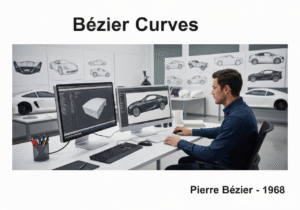
1970
ठोस अवस्था भौतिकी अनुप्रयोगों के लिए प्रयोगशाला में अतिचालक चुंबकीय ऊर्जा भंडारण प्रणाली।

(यह छवि केवल उदाहरण के लिए बनाई गई है)

सुपरकंडक्टिंग मैग्नेटिक एनर्जी स्टोरेज (SMES) प्रणालियाँ सुपरकंडक्टिंग कॉइल में डायरेक्ट करंट के प्रवाह से उत्पन्न चुंबकीय क्षेत्र में ऊर्जा संग्रहित करती हैं। जब तक कॉइल को सुपरकंडक्टिंग तापमान पर रखा जाता है, तब तक ऊर्जा अनिश्चित काल तक संग्रहित की जा सकती है, क्योंकि विद्युत प्रतिरोध के कारण ऊर्जा का नुकसान लगभग न के बराबर होता है। संग्रहित ऊर्जा का सूत्र [latex]E = frac{1}{2} LI^2[/latex] है।

An SMES unit consists of three main parts: a superconducting coil, a power conditioning system (PCS), and a cryogenic refrigerator. The coil is made from a superconducting material (like Niobium-titanium) which, when cooled below its critical temperature, has near-zero electrical resistance. A direct current is charged into the coil, creating a strong magnetic field where energy is stored according to the formula [latex]E = frac{1}{2} L I^2[/latex], where L is the coil’s inductance and I is the current. Because the resistance is negligible, the current can circulate perpetually with minimal loss, making the storage highly efficient. The PCS, typically using solid-state inverters/rectifiers, manages the flow of power, converting AC power from the grid to DC for charging the coil, and converting the stored DC energy back to AC for discharge. The entire coil must be maintained at extremely low temperatures (around 4.2 K for low-temperature superconductors) by a cryocooler, which represents the main continuous energy cost. SMES systems are characterized by extremely high round-trip efficiency (>95%), instantaneous response time (milliseconds), and an unlimited cycle life. However, their energy density is relatively low and the capital costs, primarily for the superconducting wire and cryogenic system, are very high, limiting their use to high-value, short-duration power applications.

UNESCO Nomenclature: 2211
ठोस अवस्था भौतिकी

Type

भौतिक उपकरण

व्यवधान

इंक्रीमेंटल

उपयोग

विशिष्ट/विशेषज्ञ

शगुन

  • हंस क्रिश्चियन ओर्स्टेड द्वारा विद्युत चुंबकत्व की खोज (1820)
  • माइकल फैराडे का प्रेरण का नियम
  • हेइके कामेरलिंग ओन्स द्वारा अतिचालकता की खोज (1911)
  • मजबूत चुंबकीय क्षेत्रों में उच्च धारा प्रवाहित करने में सक्षम टाइप-II सुपरकंडक्टरों का विकास।

आवेदन

  • विद्युत ग्रिडों में बिजली की गुणवत्ता में सुधार और वोल्टेज स्थिरीकरण
  • महत्वपूर्ण सुविधाओं के लिए निर्बाध विद्युत आपूर्ति (यूपीएस)
  • आवृत्ति विनियमन
  • उच्च-ऊर्जा भौतिकी प्रयोगों को शक्ति प्रदान करना

पेटेंट:

NA

संभावित नवाचार विचार

बॉट ट्रैफिक को कम करने के कारण, जो वर्तमान में प्रति दिन 40,000 से अधिक है, यह सामग्री केवल समुदाय के सदस्यों के लिए आरक्षित है।
> लॉगिन < या > रजिस्टर < इस सामग्री और अन्य सभी प्रतिबंधित सामग्रियों और उपकरणों तक पहुंच (100% निःशुल्क) है।

संबंधित विषय: एसएमईएस, अतिचालकता, चुंबकीय क्षेत्र, ऊर्जा भंडारण, अतिचालक कुंडल, क्रायोजेनिक्स, विद्युत गुणवत्ता, उच्च दक्षता, प्रेरकत्व, प्रत्यक्ष धारा।

ऐतिहासिक संदर्भ

अतिचालक चुंबकीय ऊर्जा भंडारण (एसएमईएस)

1964
1968
1970
1970
1975
1980
1980
1963
1965
1970
1970
1974-11-15
1980
1980
1980

(यदि तिथि अज्ञात है या प्रासंगिक नहीं है, उदाहरण के लिए "द्रव यांत्रिकी", तो इसके उल्लेखनीय उद्भव का एक अनुमानित आंकड़ा प्रदान किया गया है)

संबंधित आविष्कार, नवाचार और तकनीकी सिद्धांत

पंजीकृत सदस्यों के लिए पूर्ण आकार की छवियाँ और डाउनलोड 100% निःशुल्क उपलब्ध हैं।