Product Design, Manufacturing & Innovation Resources
घर » उत्पादन रूप » डिज़ाइन युक्तियाँ » एसएमईडी विनिर्माण दक्षता के लिए डिज़ाइन का अनुकूलन

एसएमईडी विनिर्माण दक्षता के लिए डिज़ाइन का अनुकूलन

एसएमईडी विनिर्माण के लिए डिज़ाइन

क्या एक साधारण डिज़ाइन परिवर्तन spark a revolution in productivity? The key might be in the Single Minute Exchange of Die (SMED) approach. This method goes beyond just cutting down on changeover times. It reshapes the very core of production efficiency. In the tough arena of manufacturing, where downtime takes a big chunk of the schedule, using SMED during design is crucial.

जब SMED को सही ढंग से लागू किया जाता है, तो यह डाई बदलने के समय को 50% से लेकर 90% से भी अधिक तक कम कर सकता है। कल्पना कीजिए कि एक अग्रणी कार निर्माता कंपनी डाई बदलने का समय 8 घंटे से घटाकर केवल 15 मिनट कर देती है। यही SMED-केंद्रित डिज़ाइन का प्रभाव है। ये सुधार दक्षता बढ़ाते हैं और निरंतर प्रगति की संस्कृति को बढ़ावा देते हैं, जिससे सफलता बढ़ती है।

मुख्य बातें

  • एसएमईडी सिद्धांतों को एकीकृत करने से बदलाव के समय में काफी कमी आ सकती है, जिससे उपकरणों की समग्र प्रभावशीलता में 15-25% की वृद्धि हो सकती है।
  • एसएमईडी सिस्टम का कार्यान्वयन छोटे बैचों का समर्थन करता है और सही समय पर परिचालन में सुधार करके इन्वेंट्री लागत को कम करना।
  • एसएमईडी को ध्यान में रखकर डिजाइन करने से दीर्घकालिक परिचालन दक्षता सुनिश्चित होती है और भविष्य में होने वाले महंगे संशोधनों की आवश्यकता कम हो जाती है।
  • प्रारंभिक डिजाइन चरण से ही परिवर्तन प्रक्रियाओं का मानकीकरण पूर्वानुमानित और सुसंगत उत्पादन योजना को बढ़ावा देता है।
  • मॉड्यूलर उपकरण डिजाइन और त्वरित-कनेक्ट सिस्टम का उपयोग करके विनिर्माण कार्यप्रवाह को काफी हद तक सुव्यवस्थित किया जा सकता है।

विनिर्माण क्षेत्र में SMED क्या है?

सिंगल-मिनट एक्सचेंज ऑफ डाई (एसएमईडी) सिस्टम शिगेओ शिंगो द्वारा विकसित किया गया था। यह उपकरण सेटअप के समय को काफी कम करके 10 मिनट से भी कम कर देता है। इस बदलाव ने कारखानों के संचालन के तरीके में क्रांतिकारी परिवर्तन ला दिया है। आंतरिक कार्यों को बाहरी कार्यों में बदलकर, सेटअप तेज़ और अधिक कुशल हो जाते हैं। एसएमईडी प्रक्रिया तैयारी करने, कार्यों को विभाजित करने, चीजों को मानक बनाने और निरंतर सुधार करने पर केंद्रित है। इससे चेंजओवर का समय 94% तक कम हो सकता है, जिससे उद्योगों के काम करने का तरीका बदल जाता है।

एसएमईडी का परिचय

SMED का मतलब है सिंगल-मिनट एक्सचेंज ऑफ डाई, जो उत्पादन में लगने वाले समय को कम करने का एक नया तरीका है। प्रसिद्ध जापानी इंजीनियर शिगेओ शिंगो द्वारा विकसित यह तकनीक सेटअप समय को काफी कम कर देती है। उदाहरण के लिए, किसी कार्य को 90 मिनट से घटाकर 5 मिनट से भी कम समय में पूरा किया जा सकता है। SMED का मुख्य उद्देश्य सेटअप को आंतरिक के बजाय बाहरी बनाना है। इससे मशीनों के चलते रहने के दौरान भी काम किया जा सकता है। तेजी से बदलाव करके, कारखाने ग्राहकों की जरूरतों को जल्दी पूरा कर सकते हैं और स्टॉक कम रख सकते हैं।

एसएमईडी के प्रमुख घटक

SMED को सही मायने में समझने के लिए, आपको इसके मुख्य भागों को जानना होगा। पहला भाग है पहले से ही औजारों और सामग्रियों को व्यवस्थित करके तैयारी करना। यह कदम, और अतिरिक्त जिग्स जैसी चीजें प्राप्त करना तथा उपकरणों को मॉड्यूलर बनाना, बदलाव को सुचारू और तेज़ बनाता है। दूसरा भाग है आंतरिक और बाहरी कार्यों को अलग-अलग करना। आंतरिक कार्यों से मशीन रुक जाती है, जबकि बाहरी कार्यों से नहीं। अधिक कार्यों को बाहरी रूप से करने से बदलाव का समय काफी कम हो जाता है। उदाहरण के लिए, जो काम पहले 90 मिनट में होता था, वह अब 10 मिनट से भी कम समय में हो सकता है। इससे दक्षता में बहुत अधिक वृद्धि होती है।

मानकीकरण, एसएमईडी का तीसरा प्रमुख हिस्सा है। यह कार्यों को छोटे, दोहराए जाने योग्य चरणों में विभाजित करता है। एक परिवर्तन में 30 से 50 चरण शामिल हो सकते हैं जिनमें लोग और मशीनें दोनों शामिल होती हैं। चीजों को मानकीकृत करने से भिन्नताएं कम होती हैं। इससे संचालन में एकरूपता बनी रहती है। साथ ही, फीडबैक और प्रशिक्षण का उपयोग करते हुए निरंतर सुधार का चक्र प्रणाली को अद्यतन रखता है। इससे संचालन समय के साथ सर्वोत्तम रूप से कार्य करता रहता है।

SMED का स्मार्ट दृष्टिकोण विनिर्माण इकाई के कामकाज को बेहतर बनाता है। मशीनों को बदलने में कम समय लगने और उन मशीनों को अच्छी तरह से जानने वाले कर्मचारियों पर ध्यान केंद्रित करने से SMED का सफल उपयोग सुनिश्चित होता है। जिन कारखानों में मशीनों को बदलने में 20% से अधिक समय बर्बाद होता है, वे SMED के लिए एकदम उपयुक्त हैं। SMED का उपयोग करके, कंपनियां अपनी क्षमता बढ़ाती हैं, छोटे बैच बना सकती हैं और उत्पाद की गुणवत्ता में सुधार कर सकती हैं। यह दर्शाता है कि यह क्रांतिकारी विचार कितना महत्वपूर्ण है।

एसएमईडी के लाभ

SMED (सिंगल-मिनट एक्सचेंज ऑफ डाइज़) से निर्माण कार्य में काफी लाभ होता है। इसका उद्देश्य डाई बदलने के समय को दस मिनट से कम करना है। इससे उत्पादन में वृद्धि होती है। चिकित्सा, दवा और टैग एवं लेबलिंग जैसे उद्योगों को इससे बहुत फायदा होता है।

डाउनटाइम में कमी

SMED का एक बड़ा फायदा डाउनटाइम में भारी कमी है। सेटअप समय को कम करके, कारखाने अधिक उत्पादन करते हैं और मशीनों का बेहतर उपयोग करते हैं। यह आंतरिक कार्यों को बाहरी कार्यों में बदल देता है। इससे सेटअप तेज़ हो जाते हैं। उदाहरण के लिए, एक पिट क्रू ने 1950 में 67 सेकंड के अपने चेंजओवर समय को 2013 तक काफी कम कर दिया।
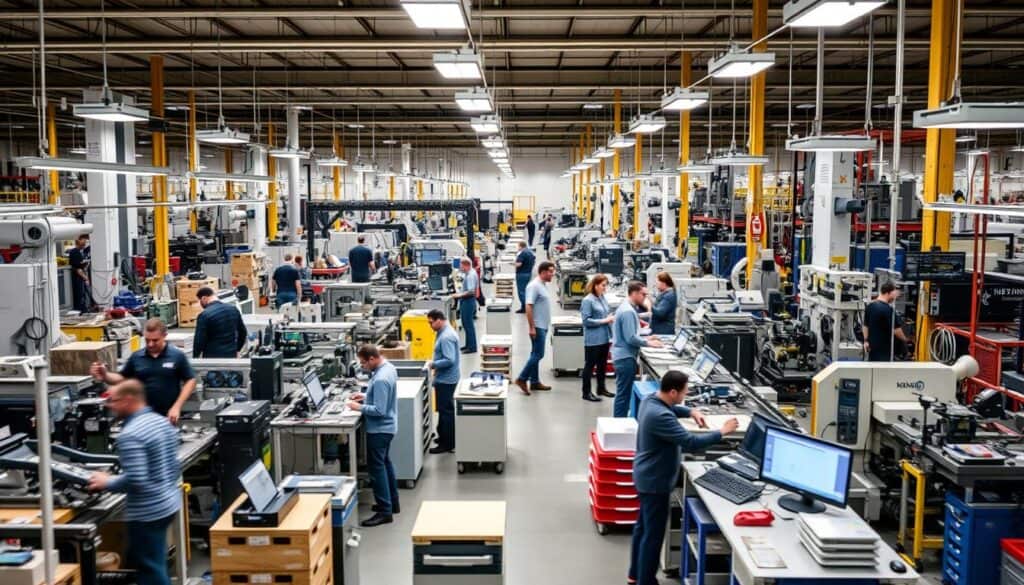
Production efficiency

बढ़ी हुई लचीलापन

SMED विनिर्माण को अधिक लचीला भी बनाता है। यह कारखानों को ग्राहकों की आवश्यकताओं को पूरा करने के लिए अपने शेड्यूल में तेजी से बदलाव करने की सुविधा देता है। यह कॉन्ट्रैक्ट कन्वर्टर्स के लिए बहुत मददगार है। वे अधिक बार बदलाव कर सकते हैं, जिसका अर्थ है कि वे कई उत्पादों के छोटे बैच बना सकते हैं।

Cost Savings

SMED से उत्पादन में काफी बचत हो सकती है। इसका मतलब है मशीनों का कम समय तक बंद रहना, जिससे लागत कम होती है और सामान बनाने के लिए अधिक जगह मिलती है। साथ ही, कम सामान स्टॉक में रखने और कम सामग्री का उपयोग करने से भी बचत होती है। सोचिए, सिर्फ अधिक कुशल होने से प्रत्येक पुर्जे पर 0.50 डॉलर की बचत हो रही है।

बेहतर गुणवत्ता

SMED का मतलब है कम गलतियों के साथ बेहतर उत्पाद। यह किसी भी चीज़ को बनाने की प्रक्रिया के हर चरण को हर बार एक जैसा बनाता है। यह उन चीज़ों को बनाने के लिए बेहद ज़रूरी है जिन्हें एकदम सटीक होना चाहिए, जैसे कि चिकित्सा क्षेत्र में। हर काम को कैसे किया जाता है, इसे लिखकर रखने से गुणवत्ता को उच्च स्तर पर बनाए रखने में मदद मिलती है।

कर्मचारियों का मनोबल बढ़ा

अंत में, SMED (कर्मचारी विकास और प्रशिक्षण) कर्मचारियों को अपने काम के प्रति बेहतर महसूस करने में मदद करता है। जब काम सुचारू और तनावमुक्त होता है, तो सभी खुश रहते हैं। कार्यों को लिखित रूप में रखने से उन्हें बेहतर ढंग से करना आसान हो जाता है। इससे अंततः पूरे कारखाने का कामकाज बेहतर हो जाता है।

फ़ायदा विवरण
डाउनटाइम में कमी इससे सेटअप का समय कम हो जाता है, जिससे मशीन का उपयोग और उत्पादकता बढ़ जाती है।
बढ़ी हुई लचीलापन यह बार-बार बदलाव की अनुमति देता है, जिससे विविध उत्पादन कार्यक्रम को समर्थन मिलता है।
Cost Savings डाउनटाइम, इन्वेंट्री स्तर और सामग्री की बर्बादी को कम करके उत्पादन लागत को कम करें।
बेहतर गुणवत्ता प्रक्रिया मानकीकरण और दोषों को कम करके उत्पाद की गुणवत्ता में सुधार करता है।
कर्मचारियों का मनोबल बढ़ा कुशल और दस्तावेजीकृत प्रक्रियाओं के माध्यम से कम तनावपूर्ण कार्य वातावरण का निर्माण करता है।

Why SMED Should be Considered in the Design Phase

Starting with SMED principles early in manufacturing setup brings major benefits. Companies like टोयोटा show that design for SMED manufacturing radically cuts changeover times. This boosts production efficiency and saves costs.

Long-term Efficiency

Adopting SMED early leads to huge efficiency gains. Toyota slashed press changeover times from over ten hours to under ten minutes. This was thanks to process and equipment redesigns. These moves cut setup times and smooth production flows.

Cost Reduction

Designing with SMED cuts costs by reducing idle times and labor. A new large packaging facility needed fewer change-over times and only two people to run. This shows the cost and efficiency gains from smart setup time reduction and better production efficiency.

Operational Excellence

SMED is key for ongoing operational excellence. It uses advance prep, equipment tweaks, and standardizing to speed up changes. These steps boost consistency, quality, and cut manufacturing and inventory costs. Lean/Six Sigma followers will find SMED crucial for top operational efficiency.

एसएमईडी विनिर्माण के लिए डिज़ाइन

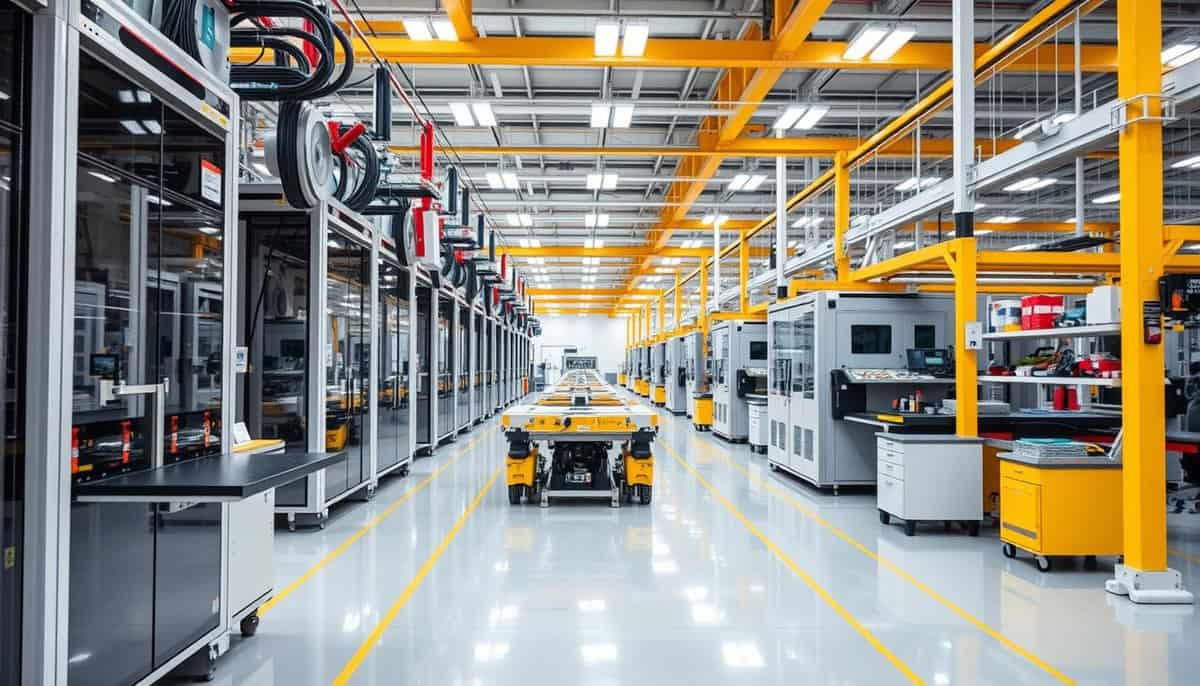
Designing for SMED manufacturing means planning with key SMED steps in mind for better results. This method focuses on doing setup tasks that don’t stop the machine separately from those that do. This greatly boosts how well a facility works.

Also, using the latest technology early in the planning phase helps with quick changes. This keeps operations running smoothly.

Integrating SMED Principles into Design

When adding SMED principles into design, understanding all setup tasks is crucial. Doing tasks that don’t need the machine to stop while it’s still running cuts downtime a lot. This key move can reduce downtime by 30-50%.

In contrast, tasks requiring the machine to stop should be made simple and quick. Changeovers usually take up a small but significant part of production time. So, making these tasks efficient is a big deal for success.

Look at NASCAR pit crews for inspiration. They’ve cut the time needed to change tires and refuel to just 12 seconds. This shows the power of SMED by moving tasks out of the critical window, cutting changeover times by up to 72%.

Leveraging Technology for Quick Changeovers

Quick changeovers

Modern technology is key for making changeovers fast. Tools that can adapt quickly and automated systems are vital to limit stops in production. The focus should be on tech that’s easy to adjust and versatile, for quicker shifts.

Real-time monitoring systems push operational success even further. They spot what’s slowing things down, showing where to get better. For example, a well-run सिक्स सिग्मा SMED program can slash changeover times by 94%. It turns a 90-minute नौकरी into one that’s less than five minutes.

फ़ायदा विवरण
Reduced Changeover Time Achieving up to 94% reduction in changeovers through SMED principles.
Operational Excellence Enhancing efficiency and reducing downtime by 30-50%.
Cost Savings Saving several thousands of dollars annually by optimizing changeover processes.

Strategies for SMED Implementation

To effectively implement SMED, a strategy with several key elements is needed. This includes support from management and teamwork across different departments. There should also be pilot projects to test in the real world. Plus, comprehensive training and education are crucial. These steps help achieve both quick wins and sustained production efficiency.

Smed implementation

Management Commitment

Success starts with strong leadership. Bosses must put SMED high on their list and provide needed resources. This doesn’t just make changes smoother. It also builds a culture that values being efficient at every level.

Cross-Functional Teams

Creating टीमें from different departments is key. These cross-functional teams bring varied skills and viewpoints together. This helps solve problems better and faster. And it makes sure everyone understands what we’re trying to do, boosting production efficiency.

Pilot Projects

Test SMED strategies with pilot projects first. This lets companies find and fix problems early. Starting small helps avoid big risks. It also makes the move to full use easier.

Training and Education

Good training and education make SMED work well. When people know how SMED works, they can help more. Keeping everyone up to date with the latest methods also helps. It makes us more efficient and shortens changeover times a lot.

10 Tips to Design for SMED

Optimizing design for SMED manufacturing boosts efficiency and productivity. These ten essential tips help ensure successful SMED implementation. They contribute to quick changeovers and continuous improvement.

Standardize Procedures

Quick changeovers start with standardizing procedures. It requires consistent practices across all employees. This reduces variability and makes operations smoother.

Utilize Modular Equipment

Modular equipment makes changes easier and faster. Its design lets components be swapped out quickly, cutting down on downtime significantly.

Reduce Internal Tasks

Minimizing tasks done while the machine is stopped is key. Turning as many of these into external tasks cuts downtime.

Design for smed manufacturing

Increase External Tasks

It’s crucial to do more tasks while the machine runs. This makes all production time more effective, increasing efficiency.

Streamline Processes

Streamlining means cutting unnecessary steps and simplifying workflows. It’s about making everything as straightforward as possible, removing what doesn’t add value.

Use Advanced Tooling

Advanced tooling can make a big difference in reducing changeover times. Special tools that speed up setup and adjustment are hugely beneficial.

Integrate Parallel Processing

Doing multiple tasks at once, or parallel processing, sharply reduces changeover times. It needs good planning and team coordination.

Promote Continuous Improvement

Continuous improvement is essential for effective SMED. It means always looking for ways to enhance processes for better performance.

Implement Real-time Monitoring

Real-time monitoring gives instant performance feedback. It allows for quick adjustments and solving problems right away, making operations more dynamic.

Foster a Culture of Collaboration

Building a collaborative culture gets everyone involved and committed. Good communication and teamwork are key to making SMED work.

बख्शीश फ़ायदा
Standardize Procedures Reduces variability and streamlines operations
Utilize Modular Equipment Enables faster and easier component swaps
Reduce Internal Tasks Minimizes downtime
Increase External Tasks Maximizes production time
Streamline Processes Eliminates unnecessary steps
Use Advanced Tooling Speeds up setup and adjustment
Integrate Parallel Processing Cuts down changeover times
Promote Continuous Improvement Ensures ongoing efficiency gains
Implement Real-time Monitoring Enables immediate adjustments
Foster a Culture of Collaboration Engages all stakeholders

Lean Manufacturing and SMED

Lean manufacturing and SMED work together to greatly improve efficiency and cut waste. SMED or Single Minute Exchange of Die, is a concept from the sixties developed by Shigeo Shingo in Japan. Its purpose was to reduce inventory costs and make operations more efficient.

Lean manufacturing’s big goal is to get rid of waste. This includes wasting time, materials, and effort. SMED zeroes in on cutting down the time it takes to switch operations. This helps boost productivity.

Changing operations in factories used to take up to eight hours. This was because a lot of reconfiguring was needed. Such long changeovers नेतृत्व किया to big inventories waiting to be completed and high costs in the tool-room.

Some key SMED methods include:

  • Staged tooling and fixtures
  • Operations conducted in parallel
  • Standardization
  • Quick attachments
  • No-adjust tooling
  • Duplicate tooling
  • Assisted tool movement

With these methods, setup times have been greatly cut down. Dies that used to take hours to change are now swapped in under 10 minutes. This has led to setup times dropping by 94%, from 90 minutes to less than 5.

Cutting down the time it takes to change setups has many benefits. It fits well with lean manufacturing’s aims. Here are some of these benefits:

  • Shorter lead times
  • Better response to what customers need
  • Higher quality products
  • Better control and communication in the factory
  • Fewer costs related to moving and counting materials

With faster setups thanks to SMED, labor costs go down because less time and resources are needed. Energy costs also fall since machines don’t idle as long. This saves money. Also, with fewer adjustments during changes, quality goes up and errors go down. This helps make manufacturing better all the time.

Using SMED in lean manufacturing makes operations more flexible and quick to respond. Manufacturers that use these methods see big improvements. They drive constant and sustainable progress.

Continuous Improvement and SMED

Keeping manufacturing operations efficient needs ongoing commitment. This is key in lean strategies. Using tools like काइज़न is crucial for excellence. It helps make operations better little by little.

The Role of Kaizen

Kaizen means making things better bit by bit. It’s about small changes, not big ones. It’s key for improving the SMED process. Kaizen helps cut down the time it takes to change dies, boosting efficiency.

Studies have shown that using Kaizen with SMED can majorly cut changeover times, by as much as 45% to 50%. This shows how powerful small, ongoing improvements can be.

Regular Review and Feedback

Reviewing and getting feedback is vital for improvement and SMED. Manufacturers should check their processes often. This helps find what needs to get better.

For example, CNC router changeovers might take longer than expected. Knowing this can lead to making the process faster. Using measures like Overall Equipment Effectiveness (OEE) can find where productivity is being lost. It directs where to improve for better operations.

Encouraging a Kaizen mindset and getting regular feedback helps fine-tune SMED processes. This is how manufacturers can keep improving their operations.

Examples of Successful SMED Implementation

SMED has made a big difference in many fields. This includes car making, racing, and restaurants. SMED success stories show how focusing on doing things better can help in many areas.

Toyota is a great example of SMED success stories. In the 1970s, they cut down their body molding changeover time. It went from 2-8 hours to just three minutes. This big change shows how important it is to focus on working smarter.

In the racing industry, pit crews show the true spirit of SMED. By making pit stops faster, even by seconds, teams can win. This is a perfect example of how making small changes can lead to big wins.

In the restaurant industry, changing menus fast is key. Before, it took up to an hour to switch menus. Now, thanks to SMED, it’s much quicker. Restaurants can now serve more people, especially when they are busy.

“Using SMED helped us cut down on time between tasks. It made us much more efficient,” said a leading restaurant chain spokesperson.

SMED isn’t just for making things. It’s also used in software development, racing, and restaurants. Finding and fixing slow points is important. Doing this makes things run faster and better.

Let’s look at some examples of SMED at work:

उद्योग Initial Changeover Time Reduced Changeover Time
Automotive (Toyota) 2-8 hours 3 minutes
Racing Several minutes Seconds
Restaurant Up to 1 hour Minutes

These stories show how SMED improves how things are made in different fields. For any group that wants to do better, SMED is a good way to get there.

Common Challenges in Implementing SMED

Putting SMED into practice in factories is tough. Even with known benefits like better performance, companies often hit big barriers. Knowing these hurdles and acting wisely is key to overcoming them.

परिवर्तन का विरोध

One big hurdle is people not wanting to change. Workers used to old ways might not want new methods. Without support from all involved, this can lead to pushback or even apathy. To deal with this, good परिवर्तन प्रबंधन is crucial. It helps everyone see the value and know what’s expected. For instance, firms that initially resisted SMED eventually embraced it. This was through promoting a culture of ongoing improvement and clear communication.

Lack of Resources

Not having enough resources for training can also be a barrier. Bad data collection makes it hard to spot inefficiencies, key for SMED. Also, not properly analyzing or acting on needed changes can hold you back. Shigeo Shingo once cut down setup time from 12 hours to under 10 minutes. This shows the power of investing in training and resources. Businesses must budget for training, tools, and ongoing improvements to stay competitive.

It’s vital to tackle these SMED issues for better manufacturing efficiency. With careful planning, enough resources, and solid change management, adopting SMED can greatly enhance operations.

अक्सर पूछे जाने वाले प्रश्न

विनिर्माण क्षेत्र में SMED क्या है?

SMED का पूरा नाम Single Minute Exchange of Die है। यह एक ऐसी विधि है जिसका उद्देश्य उपकरण सेटअप समय को 10 मिनट से कम करना है। इस पद्धति में तैयारी करना, मशीन के चलने और न चलने के दौरान किए जाने वाले कार्यों में उन्हें विभाजित करना, कार्य को मानकीकृत करना और निरंतर सुधार करना शामिल है।

एसएमईडी के मुख्य लाभ क्या हैं?

एसएमईडी का उपयोग करने से डाउनटाइम में काफी कमी आती है। इससे कारखाने उत्पादों के बीच तेजी से बदलाव कर सकते हैं, जिससे पैसे की बचत होती है और गुणवत्ता में सुधार होता है। साथ ही, इससे काम का तनाव कम होता है और कर्मचारियों की खुशी बढ़ती है।

डिजाइन चरण में एसएमईडी पर विचार क्यों किया जाना चाहिए?

डिजाइन के शुरुआती चरण में ही SMED को शामिल करने से दीर्घकालिक रूप से बड़ी बचत होती है और संचालन सुचारू रूप से चलता है। यह सुनिश्चित करता है कि उपकरण और प्रक्रियाएं शुरू से ही तेजी से बदलाव के लिए तैयार हों।

डिजाइन में एसएमईडी सिद्धांतों को कैसे एकीकृत किया जा सकता है?

SMED को ध्यान में रखकर डिजाइन करने का अर्थ है सेटअप कार्यों को अलग करना और प्रक्रियाओं को मानकीकृत करना। मॉड्यूलर उपकरण और स्वचालन जैसी तकनीकों का उपयोग करके तेजी से बदलाव संभव हो पाते हैं।

एसएमईडी कार्यान्वयन के लिए कौन सी रणनीतियाँ प्रभावी हैं?

अच्छी एसएमईडी रणनीतियों में प्रबंधन की सहमति, विभिन्न क्षेत्रों की टीमों का उपयोग, छोटे परीक्षणों में विचारों को आजमाना और इसमें शामिल सभी लोगों को सिखाना शामिल है।

एसएमईडी के लिए डिजाइन करने के कुछ सुझाव क्या हैं?

महत्वपूर्ण सुझावों में काम को मानकीकृत करना, बहुमुखी उपकरणों का उपयोग करना, मशीनों के बंद रहने के दौरान किए जाने वाले कार्यों को कम करना और तेजी से सेटअप के लिए तकनीक का उपयोग करना शामिल है। टीम वर्क को प्रोत्साहित करना और निरंतर प्रतिक्रिया देना भी महत्वपूर्ण है।

लीन मैन्युफैक्चरिंग और एसएमईडी एक दूसरे के पूरक कैसे हैं?

लीन मैन्युफैक्चरिंग और एसएमईडी, दोनों का लक्ष्य अपव्यय को कम करना और प्रक्रियाओं को सुचारू बनाना है। एसएमईडी उपकरण बदलने में लगने वाले समय को कम करके ऐसा करता है। ये दोनों मिलकर कारखानों को अधिक लचीला और कुशल बनाते हैं।

एसएमईडी में सतत सुधार की क्या भूमिका है?

निरंतर सुधार अत्यंत महत्वपूर्ण है। इसका अर्थ है SMED में चीजों को बेहतर तरीके से करने के हमेशा नए तरीके खोजना। इसका मतलब है नियमित जांच करना और सेटअप समय में छोटे-छोटे सुधारों के लिए भी फीडबैक सुनना।

क्या आप सफल एसएमईडी कार्यान्वयन के उदाहरण दे सकते हैं?

ऑटोमोबाइल, इलेक्ट्रॉनिक्स और उपभोक्ता सामान जैसे कई क्षेत्रों को एसएमईडी से काफी लाभ हुआ है। उन्होंने कार्यों को बदलने में लगने वाले समय को काफी कम कर दिया है और मांग को पूरा करने की अपनी क्षमता को बढ़ाया है।

एसएमईडी को लागू करने में आम चुनौतियाँ क्या हैं?

कुछ चुनौतियाँ हैं कर्मचारियों का बदलाव न चाहना और पर्याप्त प्रशिक्षण संसाधनों का अभाव। इन समस्याओं को दूर करने के लिए प्रभावी परिवर्तन प्रबंधन और पर्याप्त सहायता सुनिश्चित करना आवश्यक है।

प्रयुक्त शब्दों की शब्दावली

Computer Numerically Controlled (CNC): एक विनिर्माण प्रक्रिया जिसमें मशीन टूल्स को नियंत्रित करने के लिए प्रोग्राम किए गए कंप्यूटर सॉफ्टवेयर का उपयोग किया जाता है, जिससे सामग्री को काटने, पीसने, ड्रिलिंग करने और उत्कीर्ण करने जैसे कार्यों के लिए सटीक और स्वचालित संचालन संभव हो पाता है।

Network-attached storage (NAS): एक नेटवर्क से जुड़ा एक स्टोरेज डिवाइस जो कई उपयोगकर्ताओं और उपकरणों के बीच डेटा पहुंच और साझाकरण की अनुमति देता है, आमतौर पर केंद्रीकृत फ़ाइल स्टोरेज, बैकअप और प्रबंधन क्षमताएं प्रदान करता है। यह कंप्यूटर से स्वतंत्र रूप से संचालित होता है और इसे मानक नेटवर्क प्रोटोकॉल के माध्यम से एक्सेस किया जा सकता है।

Overall Equipment Effectiveness (OEE): यह विनिर्माण प्रक्रियाओं की दक्षता का मूल्यांकन करने के लिए उपयोग किया जाने वाला एक मापक है, जिसकी गणना उपलब्धता, प्रदर्शन और गुणवत्ता दरों को गुणा करके की जाती है। यह हानियों की पहचान करता है, जिससे उत्पादकता और परिचालन प्रभावशीलता में सुधार संभव होता है।

Single Minute Exchange of Dies (SMED): एक लीन मैन्युफैक्चरिंग तकनीक जिसका उद्देश्य उपकरण सेटअप समय को दस मिनट से कम करना है, जिससे उत्पादन चरणों के बीच त्वरित बदलाव संभव हो सके और प्रक्रियाओं को सुव्यवस्थित करके और डाउनटाइम को कम करके समग्र दक्षता में वृद्धि हो सके।

शामिल विषय: एसएमईडी, विनिर्माण दक्षता, परिवर्तन समय, उत्पादन दक्षता, परिचालन दक्षता, उपकरण प्रभावशीलता, जस्ट-इन-टाइम संचालन, मॉड्यूलर उपकरण डिजाइन, मानकीकरण, निरंतर सुधार, सेटअप समय, इन्वेंट्री लागत, प्रक्रिया अनुकूलन, बाहरी कार्य, आंतरिक कार्य, उत्पादकता, उत्पादन योजना, आईएसओ 9001, आईएसओ 14001, आईएसओ 45001, आईएसओ/टीएस 16949 और आईएसओ 50001।

ऐतिहासिक संदर्भ

1950
1955
1956
1960
1960
1960
1960
1950
1950
1955
1958
1960
1960
1960
1960

(यदि तिथि अज्ञात है या प्रासंगिक नहीं है, उदाहरण के लिए "द्रव यांत्रिकी", तो इसके उल्लेखनीय उद्भव का एक अनुमानित आंकड़ा प्रदान किया गया है)

शीर्ष पोस्ट और लेख

शीर्ष मूल उपकरण

पंजीकृत सदस्यों के लिए पूर्ण आकार की छवियाँ और डाउनलोड 100% निःशुल्क उपलब्ध हैं।