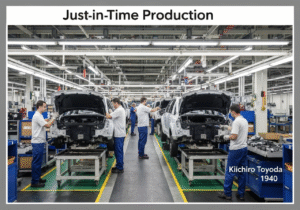
Just-In-Time (JIT) methodology has found its way into a variety of industries such as automotive manufacturing, electronics, and consumer goods, where it contributes significantly to operational efficiency. In automotive production, JIT allows manufacturers like Toyota to manage their supply chains proactively, ensuring that parts arrive on the assembly line just as they are needed, which reduces downtime and inventory holding costs. In electronics, companies like Dell utilize JIT principles to customize computer builds according to customer specifications while minimizing surplus components. This methodology proves particularly effective during the design and development phase of new products, where teams can rapidly iterate by incorporating feedback and adjusting orders based on real-time demand signals. For JIT to function successfully, it necessitates collaboration across various functions, including procurement, production, and logistics, often engaging suppliers closely in the process. Participants in the JIT approach must be trained in effective inventory management practices, emphasizing the importance of quality assurance to prevent defects that can disrupt flow. Furthermore, it requires a stable production environment that can adapt to changes in demand, necessitating reliable forecasting methods and strong communication channels between all stakeholders involved. High-quality processes are paramount, as defects not only impact production but can also lead to increased costs and delays, undermining the efficiency gains JIT aims to achieve. In addition to these applications, the push towards sustainability in manufacturing is complemented by JIT principles, as reduced inventory and waste align with environmental goals, driving companies to innovate while responding to market needs dynamically.
الخطوات الرئيسية لهذه المنهجية
نصائح للمحترفين
لقراءة عدة منهجيات ومقارنتها, نوصي باستخدام
> مستودع المنهجيات الشامل <
مع أكثر من 400 منهجية أخرى.
نرحب بتعليقاتكم على هذه المنهجية أو المعلومات الإضافية على قسم التعليقات أدناه ↓، وكذلك أي أفكار أو روابط متعلقة بالهندسة.