지속적인 개선, Just-in-Time (JIT), Kanban, 린 제조, Lean Production, 생산 효율성, 품질 관리, 공급망, 폐기물 감축
목적:
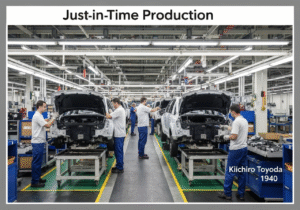
생산 공정이나 고객의 요구에 따라 필요한 시점에만 자재, 부품 및 제품을 생산하거나 공급함으로써 재고 유지 비용과 낭비를 최소화하는 재고 관리 및 생산 전략.
사용 방법:
Relies on signals (e.g., Kanban cards) to trigger production or material movement. Aims for a "pull" system where downstream activities signal needs to upstream activities. Requires highly reliable suppliers, stable demand, and high-quality processes.
장점
재고 비용(보관, 재고 진부화, 자본 묶임)을 절감하고, 과잉 생산 및 불량품으로 인한 낭비를 최소화하며, 현금 흐름을 개선하고, (제대로 구현될 경우) 생산 효율성과 유연성을 향상시킵니다.
단점
공급망 또는 생산 차질(예: 공급업체 지연, 장비 고장)에 매우 취약함; 매우 안정적이고 예측 가능한 수요가 필요함; 오류 발생 여지가 거의 없으며, 결함이 발생하면 전체 생산 라인이 중단될 수 있음; 재고 부담이 공급업체로 전가될 수 있음.
카테고리:
경제학, 린 시그마, 조작, 품질
다음과 같은 경우에 가장 적합합니다:
생산 시스템에서 재고와 낭비를 최소화하기 위해 필요할 때만 제품을 생산하고 공급합니다.
Just-In-Time (JIT) methodology has found its way into a variety of industries such as automotive manufacturing, electronics, and consumer goods, where it contributes significantly to operational efficiency. In automotive production, JIT allows manufacturers like Toyota to manage their supply chains proactively, ensuring that parts arrive on the assembly line just as they are needed, which reduces downtime and inventory holding costs. In electronics, companies like Dell utilize JIT principles to customize computer builds according to customer specifications while minimizing surplus components. This methodology proves particularly effective during the design and development phase of new products, where teams can rapidly iterate by incorporating feedback and adjusting orders based on real-time demand signals. For JIT to function successfully, it necessitates collaboration across various functions, including procurement, production, and logistics, often engaging suppliers closely in the process. Participants in the JIT approach must be trained in effective inventory management practices, emphasizing the importance of quality assurance to prevent defects that can disrupt flow. Furthermore, it requires a stable production environment that can adapt to changes in demand, necessitating reliable forecasting methods and strong communication channels between all stakeholders involved. High-quality processes are paramount, as defects not only impact production but can also lead to increased costs and delays, undermining the efficiency gains JIT aims to achieve. In addition to these applications, the push towards sustainability in manufacturing is complemented by JIT principles, as reduced inventory and waste align with environmental goals, driving companies to innovate while responding to market needs dynamically.
이 방법론의 주요 단계
JIT 원칙을 적용하면 이점을 얻을 수 있는 생산 흐름의 핵심 프로세스를 파악하십시오.
칸반 신호를 활용한 풀 시스템을 구축하여 재고를 관리하세요.
수요 예측 및 고객 피드백 메커니즘을 통해 안정적인 수요를 확보하십시오.
공급망의 요구 사항에 맞춰 자재가 적시에 납품될 수 있도록 공급업체와 긴밀히 협력하십시오.
결함을 최소화하기 위해 공정 표준화 및 고품질 유지를 시행합니다.
지속적인 개선 문화를 조성하기 위해 JIT 원칙과 실무에 대한 직원 교육을 실시합니다.
성능 지표와 피드백을 바탕으로 시스템을 정기적으로 검토하고 조정하십시오.
프로 팁
고급 분석 기능을 구현하여 수요 예측을 강화하고, 과거 데이터에 대한 의존도를 줄이며, 주문 처리 시기를 개선합니다.
실시간 정보 공유를 위한 협업 플랫폼을 통해 견고한 공급업체 관계에 투자하고, 수요 변화에 대한 대응력을 향상시키십시오.
Continuous process improvement using Lean Six Sigma methodologies to minimize defects and enhance quality, supporting JIT’s reliance on high-quality outputs.