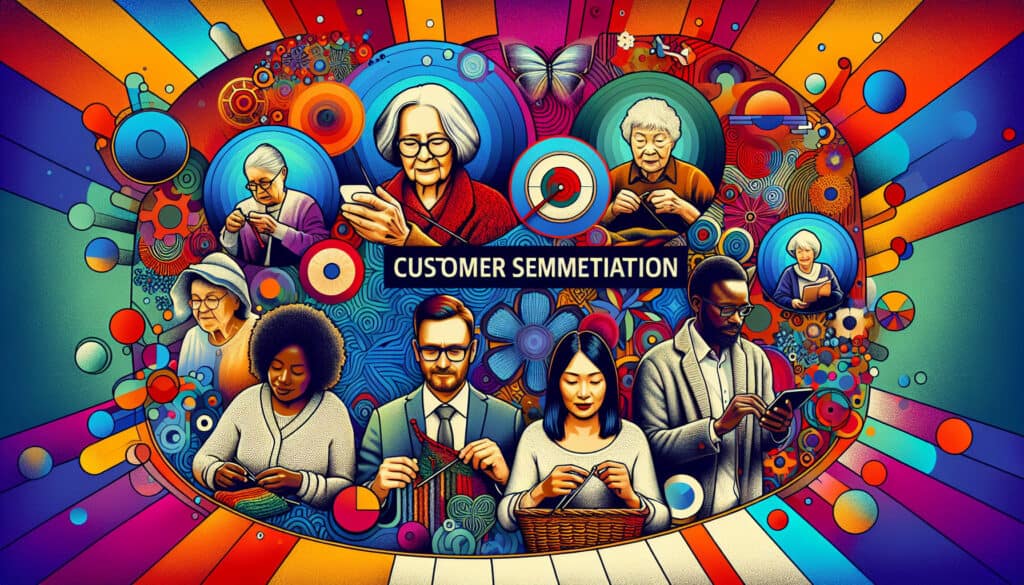
Customer segmentation is widely applied across various industries, including consumer goods, technology, healthcare, and retail, among others. In the product development phase, teams can utilize this methodology to refine their understanding of customer preferences, leading to the creation of features that resonate with distinct groups. For instance, a technology firm might segment users based on their tech-savviness, enabling them to design intuitive interfaces for less experienced users while offering advanced functionalities for more knowledgeable consumers. Participants in this methodology typically include marketers, product designers, data analysts, and sales teams, all collaborating to analyze data and interpret findings that shape business decisions. Psychographics, such as lifestyle and values, can inform brand storytelling, making marketing efforts feel more genuine and relatable. Additionally, behavior-based segmentation allows companies to adjust their messaging in real-time based on customer interactions, optimizing conversion rates. Segmentation also aids in identifying untapped markets; by recognizing unique needs of smaller groups, companies can discover new product opportunities that address gaps in the existing offerings. This strategic insight not only boosts customer satisfaction but can lead to increased loyalty and retention as businesses demonstrate a keen understanding of their audience’s individual requirements. The methodology is equally beneficial during the launch phase, where tailored marketing campaigns can create more impactful engagement, leading to higher initial sales figures and sustained growth.
Key steps of this methodology
نصائح احترافية
To read and compare several methodologies, we recommend the
> Extensive Methodologies Repository <
together with the 400+ other methodologies.
Your comments on this methodology or additional info are welcome on the comment section below ↓ , so as any engineering-related ideas or links.