الأنظمة السيبرانية الفيزيائية (CPS), التوأم الرقمي, إنترنت الأشياء (IoT), خوارزميات الصيانة التنبؤية, تحسين العمليات, نظام التشغيل في الوقت الحقيقي (RTOS), أجهزة الاستشعار, محاكاة
الهدف:
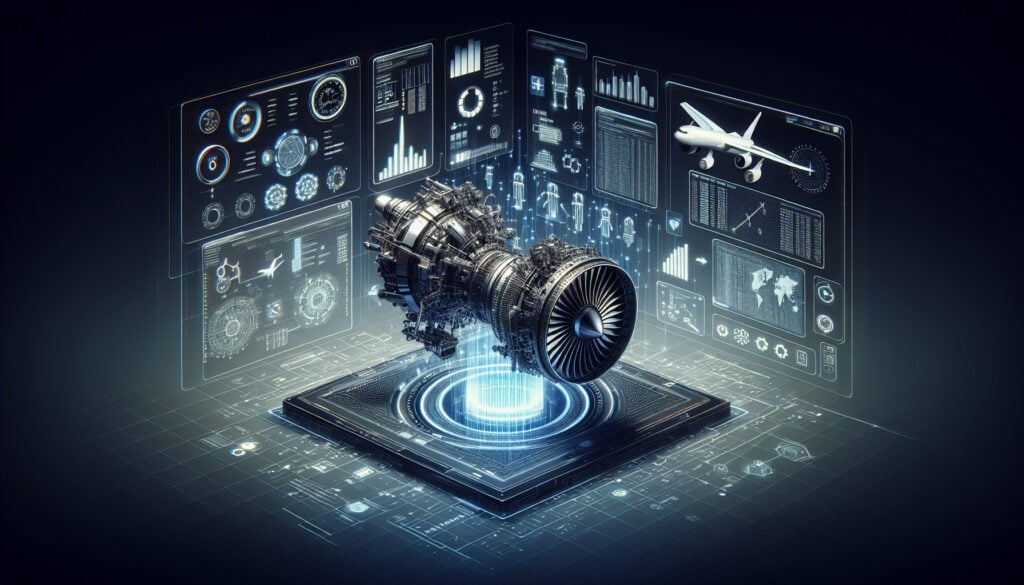
تمثيل افتراضي لجسم أو عملية أو نظام مادي يعمل كنظير رقمي له في الوقت الفعلي.
كيفية استخدامه:
A digital twin is continuously updated with data from sensors on the physical object. This allows for simulation, monitoring, analysis, and optimization of the physical asset without disrupting real-world operations.
الايجابيات
يُمكّن من الصيانة التنبؤية ويقلل من وقت التوقف؛ ويسمح بتحسين العمليات من خلال المحاكاة؛ ويُحسّن عملية صنع القرار من خلال توفير رؤى في الوقت الفعلي.
سلبيات
إن إنشاء وصيانة التوأم الرقمي أمر معقد ومكلف للغاية؛ ويتطلب بنية تحتية قوية لأجهزة الاستشعار والبيانات؛ وتعتمد دقة التوأم الرقمي على جودة البيانات.
الفئات:
هندسة, لين سيجما, تصنيع, تصميم المنتج
الأفضل لـ:
إنشاء نموذج افتراضي في الوقت الفعلي لأصل مادي لمراقبة أدائه ومحاكاته وتحسينه.
Digital Twin technology is employed across various sectors, including manufacturing, healthcare, automotive, and smart cities, where it facilitates the management of physical assets by creating an accurate virtual representation that mirrors real-time conditions and operational performance. In manufacturing, for instance, a digital twin of a production line allows for detailed analysis of workflow inefficiencies, enabling manufacturers to optimize their processes and enhance productivity while minimizing waste. In the automotive industry, digital twins are utilized in the development and maintenance of vehicles; by simulating various driving conditions and scenarios, engineers can predict how components will perform over time, which aids in improving design and safety features. Healthcare applications often involve creating digital twins of patients, integrating data from wearable devices and health records to refine treatment plans and enhance personalized medicine. The construction sector benefits from digital twins in managing the lifecycle of buildings; they can track the ongoing performance of infrastructure, planning maintenance and upgrades proactively. This methodology typically involves collaboration among diverse teams, including engineers, data analysts, and domain experts, ensuring that the digital twin is accurately reflective of the physical entity. Furthermore, stakeholders at various project stages—from conceptual design through production and maintenance—can initiate or participate in the creation and refinement of digital twins, leveraging them for simulations and scenario analysis to drive better outcomes without interfering with the actual operations of the physical assets.