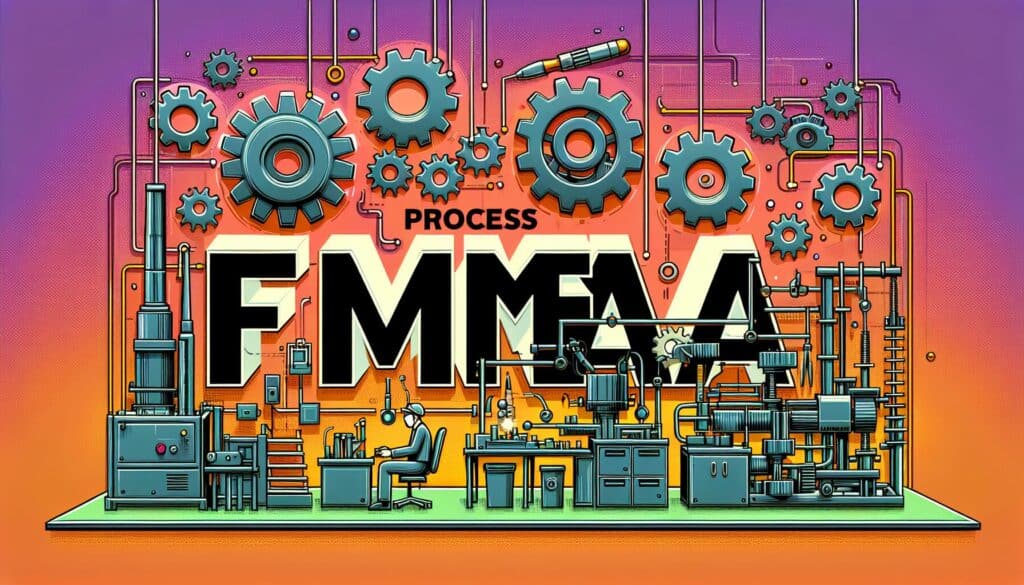
Process Failure Mode and Effects Analysis (PFMEA) is widely utilized across various industries, including automotive, aerospace, medical devices, and electronics, where operational processes play a significant role in product quality and safety. This methodology can be particularly beneficial during the design and development phases of a project, where cross-functional teams—including design engineers, manufacturing engineers, quality assurance, and process technicians—collaborate to review each step in a process. They assess potential failure modes by systematically analyzing workflow sequences, tools utilized, and human interactions. In sectors like pharmaceuticals, PFMEA not only identifies failures in production processes but also addresses compliance with stringent regulatory standards. Effective participation from team members with diverse expertise allows for a comprehensive evaluation of each failure mode’s severity, occurrence likelihood, and detectability, leading to informed decision-making regarding risk prioritization and mitigation strategies. The implementation of PFMEA leads to fewer defects and enhances customer satisfaction by ensuring products function as intended upon delivery. In real-world applications, a PFMEA may reveal that a component’s misalignment during assembly could lead to functional failure, prompting a redesign of the assembly fixture or additional training for operators to reduce error rates. Engaging in PFMEA also cultivates a culture of continuous improvement and proactive risk management, as businesses routinely revisit and refine their processes in response to evolving operational challenges and advancements in technology.
该方法的关键步骤
专业提示
- Leverage data analytics and historical failure data to inform risk assessments and continuously refine the PFMEA process based on real-world performance.
- Engage operators and front-line personnel in PFMEA workshops to capture experiential knowledge that might not be documented, enhancing the identification of failure modes.
- Establish a proactive follow-up mechanism after implementing actions, ensuring that risk mitigation strategies are validated through periodic reviews and re-evaluations of the PFMEA.
阅读和比较几种方法、 我们建议
> 广泛的方法论资料库 <
以及其他 400 多种方法。
欢迎您就此方法发表评论或提供更多信息,请登录 下面的评论区 ↓ ,因此任何与工程相关的想法或链接都是如此。