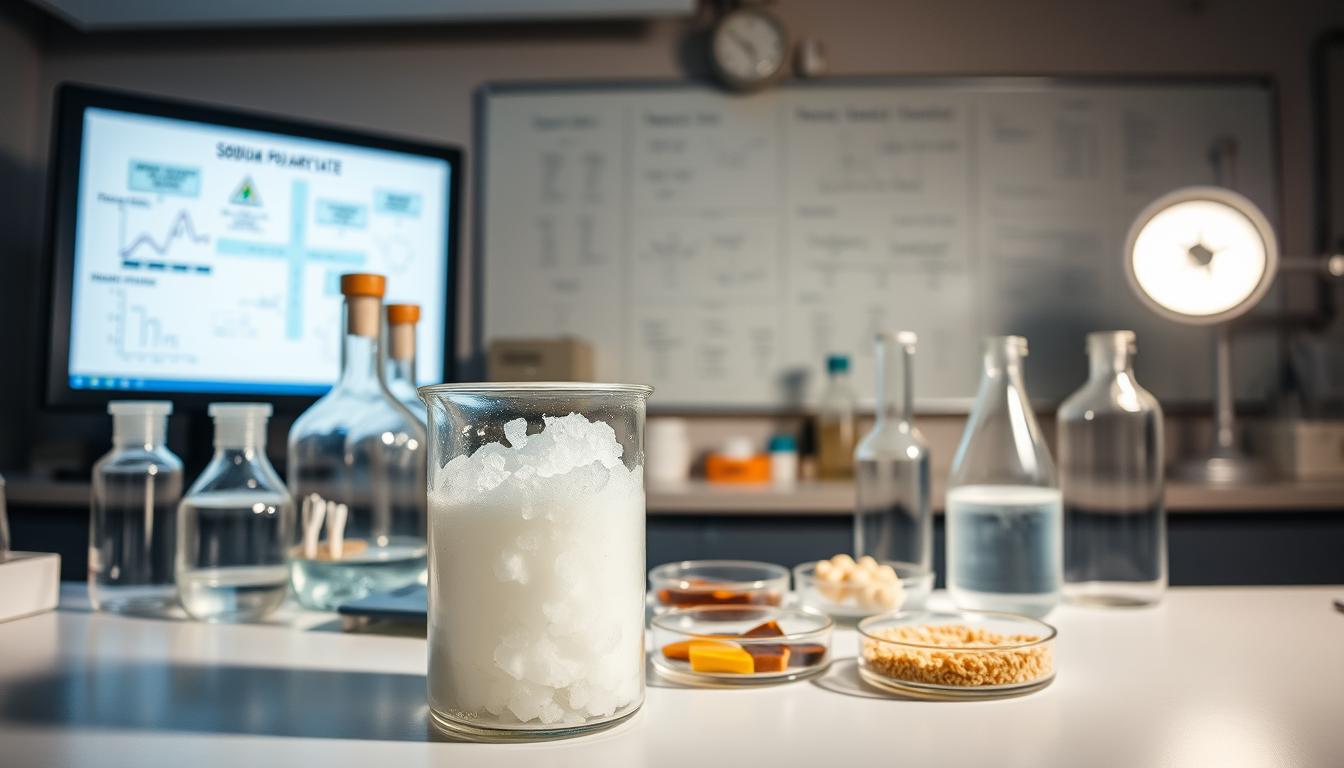
Os polímeros de poliacrilato de sódio podem absorver de 100 a 1000 vezes o seu próprio peso em água. Este polímero superabsorvente (SAP) é hoje um elemento fundamental em diversas indústrias. Ele revolucionou a forma como os produtos retêm a umidade e aumentou a sua eficiência.
A ampla utilização desse material na agricultura, higiene, limpeza ambiental e até mesmo na medicina demonstra seu enorme impacto. Isso destaca como o poliacrilato de sódio está impulsionando a sustentabilidade e um melhor desempenho em todos os setores.
Esta não é uma análise tecnológica típica, mas sim uma análise de química e propriedades físicas.
Vamos explorar o potencial do poliacrilato de sódio, pois acreditamos que, embora ele tenha sido desenvolvido desde a década de 60, muitas outras aplicações ainda precisam ser imaginadas.
Principais conclusões
- O poliacrilato de sódio é um polímero superabsorvente que pode reter de 100 a 1000 vezes o seu peso em água.
- Possui diversas aplicações na agricultura, melhorando a retenção de umidade e a estrutura do solo.
- O polímero também é amplamente utilizado em produtos de higiene, incluindo fraldas para bebês e absorventes higiênicos.
- O poliacrilato de sódio desempenha um papel significativo nos esforços de remediação ambiental.
- As inovações em aplicações médicas incluem sistemas de administração de medicamentos e soluções para tratamento de feridas.
- Esperamos que surjam muitas outras aplicações em diversos setores.
O poliacrilato de sódio é um polímero sintético conhecido por suas propriedades incríveis. Ele funciona como um sal de sódio do ácido poliacrílico. Essa substância pode absorver água em até 1000 vezes o seu próprio peso, o que a torna muito importante para diversos setores industriais.
Este composto é amplamente utilizado em produtos que usamos todos os dias. Você o encontrará em fraldas para bebês e itens de higiene para adultos, pois é superabsorvente. Também é usado na agricultura para ajudar o solo a reter mais água, resultando em melhores colheitas. As pessoas gostam dele porque é seguro para o meio ambiente e não muito prejudicial — mais sobre isso abaixo. Cientistas estão descobrindo novas maneiras de utilizá-lo, o que pode levar a grandes mudanças em diversas áreas.
Propriedades do poliacrilato de sódio
Este polímero, assim como sua versão potássica, possui características únicas que o tornam excelente para diversos usos. É importante conhecer sua composição química, sua capacidade de retenção de água e se ele se decompõe naturalmente. Essas qualidades o tornam útil em muitas áreas, da agricultura a produtos de higiene pessoal.
A fórmula do poliacrilato de sódio é (C3H3NaO2)n. Trata-se de um polieletrólito aniônico devido à sua estrutura. Quando em contato com a água, transforma-se em hidrogéis. Isso o torna muito útil para diversas aplicações.
Potencial de biodegradabilidade: Embora seja um produto sintético, o poliacrilato de sódio pode se decompor naturalmente em certas condições. Isso significa que ele pode ser usado de uma forma que seja cuidadosa em relação ao descarte de plástico e à preservação do planeta.
Desenvolvimento histórico
No início da década de 1960, o Departamento de Agricultura dos EUA iniciou algo grandioso. Sua pesquisa visava economizar água na agricultura. Esse importante trabalho foi o ponto de partida para os polímeros superabsorventes, que melhoraram a saúde do solo e a retenção de água.
Mais tarde, grandes empresas como a Dow Chemical e a DuPont perceberam o quão útil o poliacrilato de sódio poderia ser.
No final da década de 1960 e início da década de 1970, eles começaram a vendê-lo amplamente.
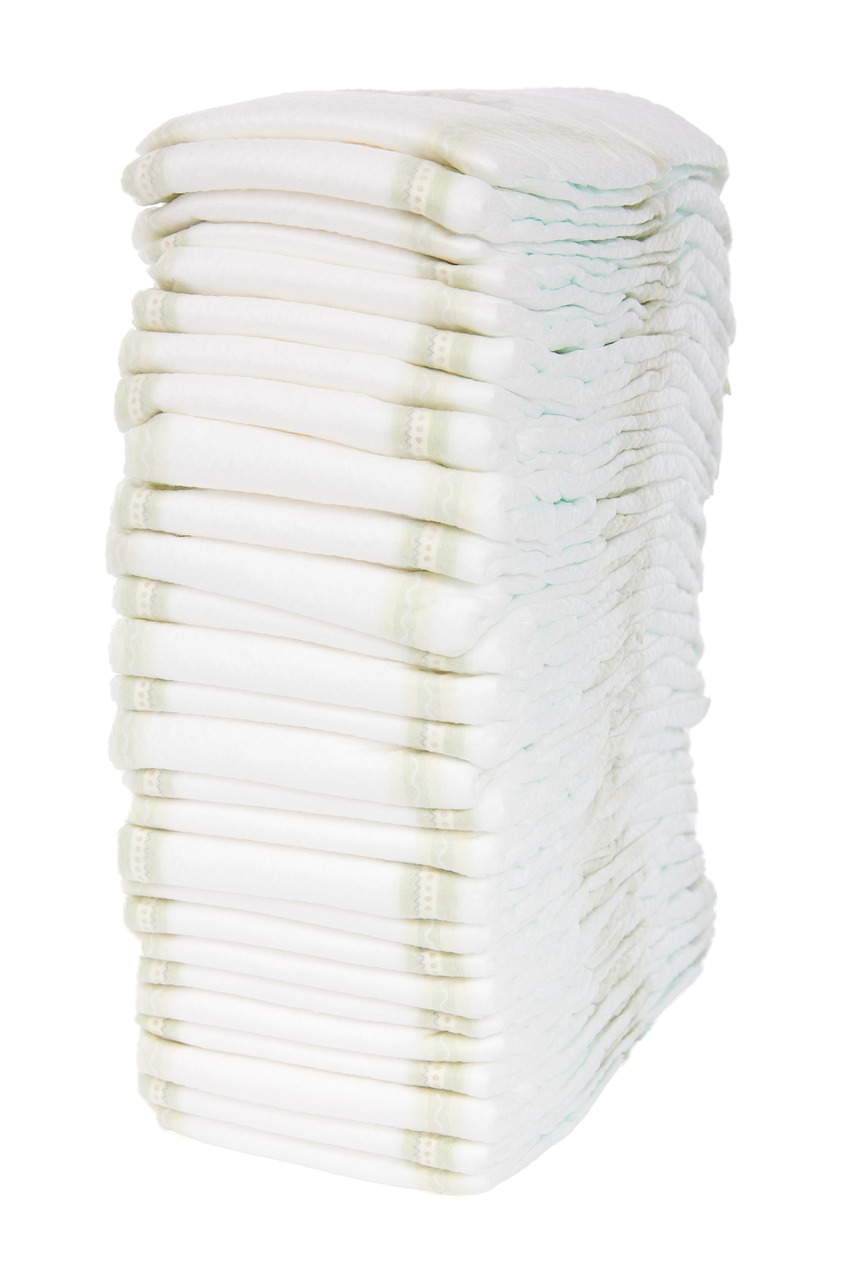
Isso possibilitou a criação de itens como fraldas ultrafinas para bebês. Essas fraldas fizeram sucesso porque funcionavam bem e eram eficientes.
Sodium Polyacrylate in Hygiene Products
Sodium polyacrylate boosts the quality of hygiene products. It’s great at absorbing and keeping moisture. This polymer is in many items that help keep people dry and safe.
| Hygiene Product | Application of Sodium Polyacrylate | Benefits |
|---|---|---|
| Baby Diapers | High absorbency and moisture retention | Prevents leaks, enhances dryness, improves skin health |
| Baby Wipes | Quick moisture absorption | Maintains cleanliness, provides comfort to infants |
| Sanitary Napkins | Fast absorption of menstrual fluid | Reduces leakage, enhances comfort, promotes discretion |
| Protective Gear | Moisture management | Ensures user comfort and safety |
Note to the video above: this illustrates one of the benefit sodium or potassium polyacrylate for agriculture, aka retaining rain into the soil. One should not forget that agriculture parameters are more complex, as keeping the soil constantly wet, without dry cycle, is not always a benefit for the plant and soil.
Sodium Polyacrylate: Applications in Agriculture
Sodium polyacrylate is becoming very popular in farming because of its amazing features. It helps improve soil water storage, leading to better plant growth. Farmers use it a lot to get more crops and save water and other important resources.
- Soil moisture retention: this polymer is great at keeping soil moist by forming strong groups that hold water. This means watering plants less often, which saves water and eases pressão on water supplies. It ensures plants get enough water, even in very dry areas.
- Improving soil structure and health: besides holding moisture, such compounds also makes soil better. It stops soil from getting too compact and helps air move through, which lets plants absorb more nutrients. This leads to healthier soil and more crops, making this polymer key for farming that cares for the environment.
- Utilization in water-retaining fertilizers: it’s also key in making special fertilizers that hold water. These fertilizers keep the soil moist and give plants the nutrients they need, vital for farming in a smart way. In dry places, such fertilizers are critical to keep crops growing strong.
Sodium Polyacrylate in the Food Industry
This polymer has many uses in the food industry. It acts as a thickener and stabilizer to improve food texture. This makes sure products look and feel just right to customers. It helps food keep its perfect thickness, raising the food’s quality.
This substance is great at holding onto water. This is super helpful for keeping food fresh when it’s packed. It stops food from drying out, making it last longer. So, even when food is moved or stored, it stays tasty and fresh for customers.

Sodium polyacrylate is one of the new ways to process and move food. Its special features help make sure food meets high quality standards.
Nota importante: while some food-grade polyacrylate may have been validated from a toxicity point of view, ingesting directly the powder can potentially lead to extremely dangerous occlusions.
Utilizing Sodium Polyacrylate in Environmental Remediation
Sodium polyacrylate is a big step forward in cleaning the environment. It works well for getting rid of heavy metals and purifying water. Its ability to soak up lots of water helps clean up polluted water places.
- Heavy metal ion absorption: this substance can pick up and hold onto heavy metal ions from dirty water. It’s a key player in cleaning the environment. By taking harmful metals out of water, it keeps nature and people safe.
- Water purification potential: in cleaning water, these compounds boosts how well filters work. It plays a big role in making sure water is clean and safe. This ensures water is good for drinking and helps the environment.

Applications in the Construction Industry
Sodium polyacrylate is crucial in construction because of its ability to hold water. Adding it to concrete mixtures lowers the water-cement ratio. This makes the concrete stronger and more durable, letting it withstand environmental challenges.
It’s also key in anti-flood bags. These bags can absorb lots of water, helping in flood control. Plus, sodium polyacrylate acts as a moisture barrier in different construction materials. It keeps harmful moisture out.
Innovations: Sodium Polyacrylate in Medical Use
Sodium polyacrylate is showing great promise in health care. It’s very versatile and useful in many medical areas. It’s important in making drug delivery systems and wound dressings better, helping patients a lot.
Drug Delivery Systems This polymer is great for delivering drugs because it’s safe for the body and controls how drugs are released. It keeps medicines stable, letting them work over time. This means treatments are more effective and don’t need to be given as often. | Wound Dressings and Medical Bandages For wound care, the absorbency of sodium polyacrylate is key. It keeps wounds dry and clean, helping them heal faster. The bandages also protect against infection and help new tissue grow. |
Sodium Polyacrylate in the Petroleum Industry
It is is key in petroleum, especially as a drilling fluid thickener. It boosts drilling by making fluids thicker. This helps carry drill cuttings to the surface effectively. It also keeps drilling fluids dense, stabilizing boreholes and preventing collapse.
It also aids in environmental protection by keeping fluids from being lost while drilling. This is essential for reducing pollution. Thus, it ensures efficient hydrocarbon extraction and meets environmental standards.
Complementary Emerging Technologies
Sodium polyacrylate isn’t just for diapers anymore. Innovators are pushing into new areas, from clothes to farming. They’re making things like ultra-absorbent fibers and new mixes with chitosan.
Super-absorbent Nanofibers Using a process called electrospinning, experts are making tiny fibers that soak up lots of moisture. These fibers use sodium polyacrylate to keep things dry. This is a big deal for products that need to stay moisture-free. | Chitosan and Sodium Polyacrylate Complexes When chitosan and sodium polyacrylate get together, they make a type of hydrogel that can heal itself. These gels can react to their surroundings. They’re being explored for uses in farming, food, and medicine. |
Challenges and Environmental Concerns
This chemical is very useful but it poses environmental challenges. One big problem is how it is thrown away. Products like diapers with sodium polyacrylate make it hard for organic stuff to break down in landfills. This creates issues with waste and makes us wonder how these materials affect our planet over time.
Scientists are working to make sodium polyacrylate more biodegradable. They are looking for better alternatives to raise its eco-friendliness. By solving these issues, we can keep enjoying its benefits while reducing harm to the earth.
| Aspecto | Challenge | Potential Solutions |
|---|---|---|
| Disposal | Improper disposal in landfills | Research on biodegradable alternatives |
| Waste Management | Disruption of organic degradation | Improvement in waste processing techniques |
| Impacto ambiental | Long-term presence in ecosystems | Assessment of ecological footprints |
Perguntas frequentes
Como o poliacrilato de sódio pode contribuir para a purificação da água?
Pode ajudar a limpar água suja, capturando poluentes e removendo metais nocivos da água contaminada. Isso pode contribuir para tornar a água segura novamente.
Links externos sobre poliacrilato de sódio e polímeros superabsorventes
Normas internacionais
- ISO 10993-1: 2018 Avaliação biológica de dispositivos médicos - Parte 1: Avaliação e testes no âmbito de um processo de gestão de riscos
- ASTM D570-98(2018) Método de ensaio padrão para absorção de água em plásticos
- ISO 13485: 2016 Dispositivos médicos - Sistemas de gestão da qualidade - Requisitos para fins regulamentares
(Passe o cursor sobre o link para ver nossa descrição do conteúdo)