Product Design, Manufacturing & Innovation Resources

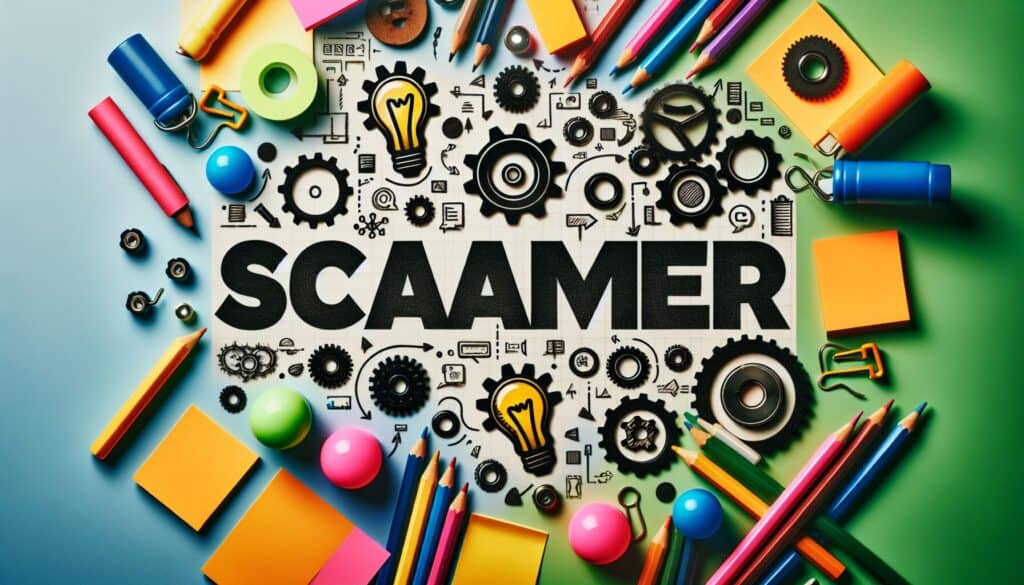
SCAMPER

SCAMPER

SCAMPER

Objetivo:

A checklist-based brainstorming technique to spark creativity and generate new ideas by prompting different ways to think about an existing product, service, or problem.

Como é usado:

Prós

Contras

Categorias:

Ideal para:

The SCAMPER methodology is frequently applied in various sectors, including product design, technology development, and marketing, as it enables teams to systematically interrogate and explore enhancements or alternative solutions for existing products or processes. For instance, in the consumer electronics industry, teams might use substitute questions to consider alternative materials that can reduce production costs or improve functionality. In the pharmaceutical sector, combination techniques can inspire new drug formulations by merging active compounds from different medications, thereby improving efficacy or reducing side effects. This methodology is particularly effective during brainstorming sessions in early design phases or in iterative cycles of product development, where innovation and responsiveness to market needs are essential. Typically, it can be initiated by project managers, product developers, or design thinkers and involves interdisciplinary collaboration among designers, engineers, marketers, and end-users. Using SCAMPER allows for the encouragement of a diverse range of thoughts, ultimately leading to a more comprehensive approach to problem-solving in product development initiatives, while the structured nature of the methodology helps teams maintain focus and clarity in discussions.

Etapas principais desta metodologia

  1. Substitute: Identify elements of the product or process to replace with alternatives.
  2. Combine: Merge different components or ideas to create something new.
  3. Adapt: Alter existing solutions to suit new contexts or requirements.
  4. Modify: Change attributes such as size, shape, color, or function.
  5. Put to other uses: Explore new applications for current products or ideas.
  6. Eliminate: Remove unneeded elements to simplify or enhance performance.
  7. Reverse: Rethink processes or components by changing their order or direction.

Dicas profissionais

  • Challenge assumptions during the Substitute phase by questioning the necessity of each component in the product or process.
  • Utilize cross-disciplinary perspectives during the Combine step to identify synergies that may not be immediately apparent.
  • In the Reverse phase, consider the end-user experience to identify negative aspects that can be flipped into positive features.

Para ler e comparar diversas metodologias, Recomendamos o

> Repositório abrangente de metodologias  <
juntamente com mais de 400 outras metodologias.

Seus comentários sobre esta metodologia ou informações adicionais são bem-vindos em [link para o site/plataforma]. seção de comentários abaixo ↓, assim como quaisquer ideias ou links relacionados à engenharia.

Contexto histórico

1950
1955
1956
1960
1960
1960
1960
1950
1950
1955
1958
1960
1960
1960
1960

(Caso a data seja desconhecida ou irrelevante, por exemplo, "mecânica dos fluidos", é fornecida uma estimativa aproximada de seu surgimento notável)


Posts relacionados

Imagens em tamanho real e downloads estão disponíveis apenas, 100% gratuitos, para membros registrados.