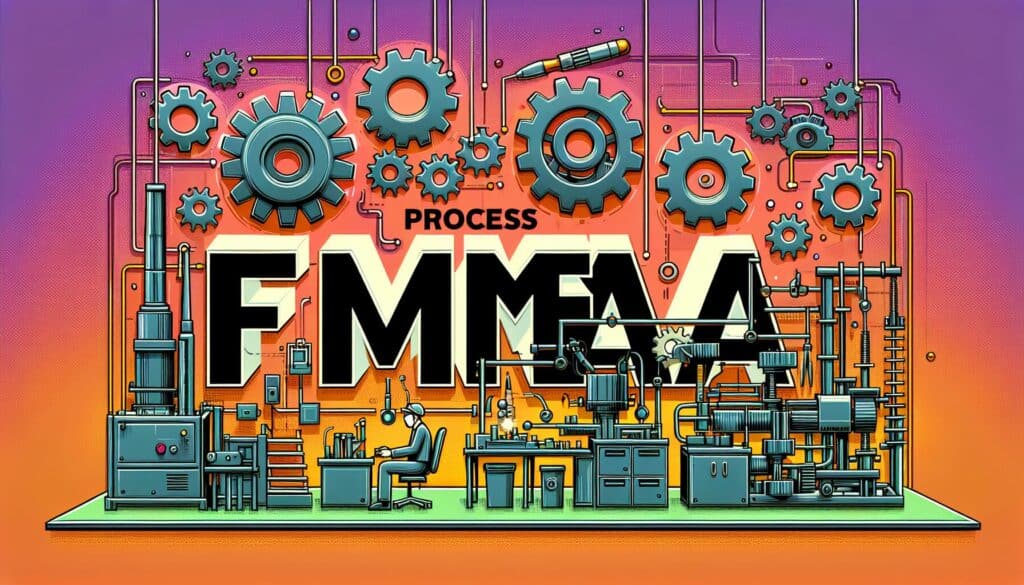
Process Failure Mode and Effects Analysis (PFMEA) is widely utilized across various industries, including automotive, aerospace, medical devices, and electronics, where operational processes play a significant role in product quality and safety. This methodology can be particularly beneficial during the design and development phases of a project, where cross-functional teams—including design engineers, manufacturing engineers, quality assurance, and process technicians—collaborate to review each step in a process. They assess potential failure modes by systematically analyzing workflow sequences, tools utilized, and human interactions. In sectors like pharmaceuticals, PFMEA not only identifies failures in production processes but also addresses compliance with stringent regulatory standards. Effective participation from team members with diverse expertise allows for a comprehensive evaluation of each failure mode’s severity, occurrence likelihood, and detectability, leading to informed decision-making regarding risk prioritization and mitigation strategies. The implementation of PFMEA leads to fewer defects and enhances customer satisfaction by ensuring products function as intended upon delivery. In real-world applications, a PFMEA may reveal that a component’s misalignment during assembly could lead to functional failure, prompting a redesign of the assembly fixture or additional training for operators to reduce error rates. Engaging in PFMEA also cultivates a culture of continuous improvement and proactive risk management, as businesses routinely revisit and refine their processes in response to evolving operational challenges and advancements in technology.
이 방법론의 주요 단계
프로 팁
- Leverage data analytics and historical failure data to inform risk assessments and continuously refine the PFMEA process based on real-world performance.
- Engage operators and front-line personnel in PFMEA workshops to capture experiential knowledge that might not be documented, enhancing the identification of failure modes.
- Establish a proactive follow-up mechanism after implementing actions, ensuring that risk mitigation strategies are validated through periodic reviews and re-evaluations of the PFMEA.
여러 방법론을 읽고 비교하기 위해, 저희는 다음을 추천합니다
> 광범위한 방법론 저장소 <
400가지가 넘는 다른 방법론들과 함께.
이 방법론에 대한 의견이나 추가 정보는 언제든지 환영합니다. 아래 댓글란 ↓ , 엔지니어링 관련 아이디어나 링크도 마찬가지입니다.