지속적인 개선, 오류 방지, 린 제조, 포카요케, 프로세스 개선, 품질 보증, 품질 관리, 품질 관리, 식스 시그마
목적:
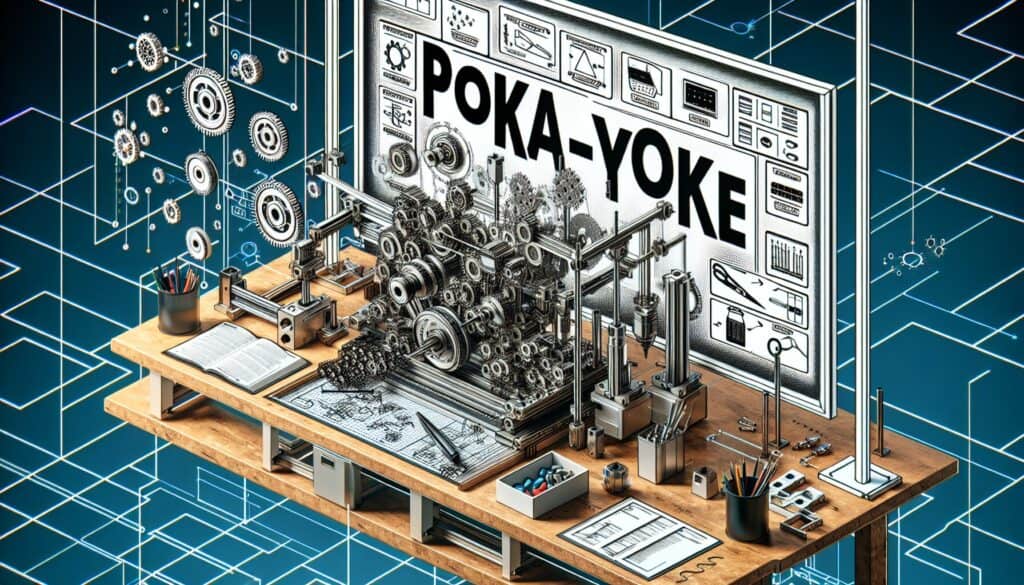
린 제조 기법은 시스템 설계를 통해 실수를 불가능하게 하거나 매우 어렵게 만들어 공정에서 인적 오류를 예방하거나 (혹은 즉시 드러나도록) 하는 것을 목표로 합니다.
사용 방법:
이는 공정에서 발생할 수 있는 오류 지점을 식별한 다음, 잘못된 동작을 방지하거나 작업자에게 경고하는 간단하고 종종 저렴한 장치 또는 방법(예: 가이드 핀, 경고 신호, 체크리스트, 부품의 특정 모양)을 구현하는 것을 포함합니다.
장점
근본적인 오류를 제거하여 결함을 줄이고 품질을 향상시킵니다. 안전성을 높이고, 작업을 간소화하고 작업자의 주의력에 대한 의존도를 낮출 수 있으며, 구현 비용이 저렴한 경우가 많습니다.
단점
모든 유형의 오류 또는 프로세스에 적용 가능하지 않을 수 있습니다. 신중하게 설계하지 않으면 프로세스 속도를 저하시킬 수 있습니다. 모든 잠재적 오류 발생 가능성을 파악하기 위해 세심한 분석이 필요합니다. 효과적인 해결책을 고안하기 위해 창의적인 사고가 필요할 수 있습니다.
카테고리:
인간 공학, 린 시그마, 조작, 품질, 위험 관리
다음과 같은 경우에 가장 적합합니다:
Preventing defects and errors in manufacturing, assembly, or service processes by designing them to be foolproof or to highlight mistakes immediately.
Poka-Yoke methodologies can be effectively utilized across various industries such as automotive, electronics, healthcare, and food processing, among others, where reliable assembly and safe operation are paramount. In these settings, design engineers and quality assurance teams frequently work together to identify processes that are prone to errors and can benefit from mistake-proofing solutions. For instance, in the automotive sector, guide pins are commonly employed in assembly lines to ensure that components can only fit together in the correct orientation, thereby preventing assembly errors. In healthcare, specialized packaging that only allows a single way to access medical devices or medications can prevent mix-ups that could be life-threatening. Checklists are frequently implemented in complex assembly processes or service contexts such as aircraft maintenance, where steps can be easily overlooked; having a checklist or digital signal alerts can ensure that all necessary actions are completed before an aircraft is declared ready for flight. The project phases in which Poka-Yoke methodologies can be effectively applied often include early design or prototyping stages, when potential errors are assessed and preventative designs are conceptualized. Engagement of frontline operators during the design phase can also lead to better identification of error-prone areas, as they have intimate knowledge of where mistakes commonly occur. The low-cost nature of many Poka-Yoke systems makes them attractive for small and medium-sized enterprises (SMEs), which may face budget constraints, while also assuring that implemented measures yield a swift return on investment through reduced rework, increased customer satisfaction, and enhanced safety.
이 방법론의 주요 단계
프로세스에서 발생할 수 있는 오류 지점을 파악하십시오.
각 지점에서의 오류 심각도와 빈도를 분석하십시오.
오류를 방지하는 간단한 장치나 방법을 개발하십시오.
운영자에게 오류를 알리기 위해 물리적 안내 장치 또는 경고 장치를 설치하십시오.
오류 방지 구현의 효과성을 테스트하십시오.
피드백과 관찰된 결과를 바탕으로 해결책을 개선하십시오.
진행 중인 프로세스에 오류 방지 기능을 통합하십시오.
프로 팁
이상 발생 시 작업자에게 즉시 경고하는 실시간 모니터링 시스템을 구현하여 대응 시간을 단축하고 결함 발생 가능성을 줄입니다.
프로세스 맵핑 기법을 활용하여 잠재적인 오류 지점을 시각적으로 식별하고 분석함으로써 특정 운영에 맞춘 맞춤형 포카요케 솔루션을 적용할 수 있습니다.
팀 구성원들이 오류 방지 전략에 대한 제안을 제시할 수 있는 피드백 루프를 구축하여 지속적인 개선과 혁신의 문화를 조성하십시오.