Product Design, Manufacturing & Innovation Resources

제조 실행 시스템(MES)

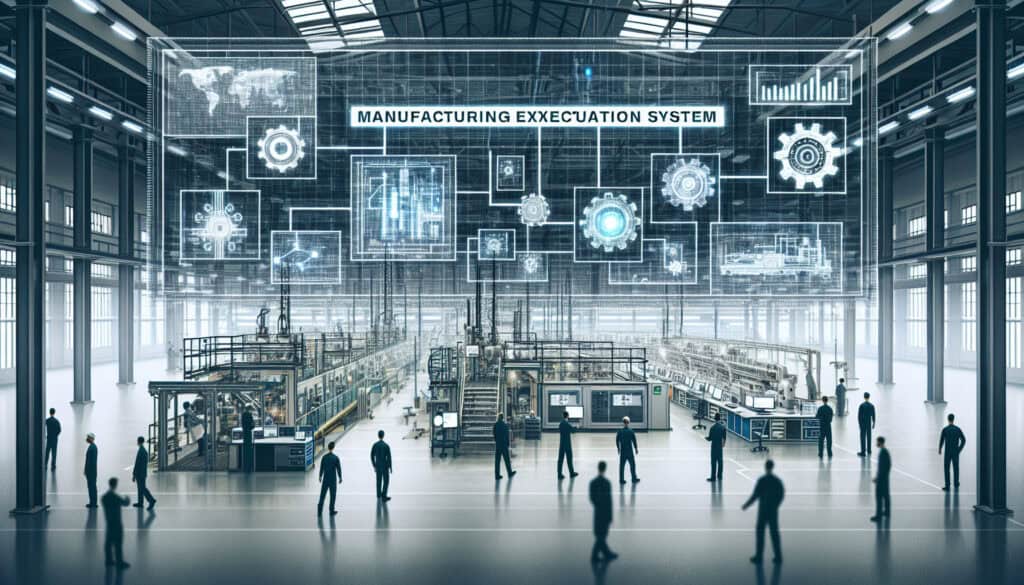
제조 실행 시스템

제조 실행 시스템(MES)

목적:

공장 현장에서 진행 중인 작업을 관리하고 모니터링합니다.

사용 방법:

장점

단점

카테고리:

다음과 같은 경우에 가장 적합합니다:

Manufacturing Execution Systems (MES) find extensive application across various industries such as automotive, pharmaceuticals, food and beverage, and electronics, where real-time data management is paramount for operational success. An MES is particularly useful during the production phase, as it provides capabilities for scheduling, dispatching, tracking work in progress, and managing inventory, thus facilitating a seamless connection between the manufacturing process and enterprise resource planning (ERP) systems. Key participants in MES deployment typically include production managers, process engineers, IT specialists, and quality assurance teams, who work collaboratively to ensure the system is configured to meet specific production needs and regulatory requirements. The implementation of MES encourages data-driven decision-making by delivering insights on equipment performance, production throughput, and labor efficiency, which can lead to significant improvements in operational workflows. By offering a consolidated view of production data, MES systems aid organizations in reducing downtime through timely maintenance and quality discrepancies, allowing teams to respond to issues as they arise. In the pharmaceutical industry, MES ensures compliance with strict regulations by documenting every stage of production, thereby enhancing product traceability and accountability. Such systems integrate with other technologies, including the Internet of Things (IoT) and advanced analytics, to create a more responsive manufacturing environment, leading to realized cost savings and improved customer satisfaction.

이 방법론의 주요 단계

  1. MES를 ERP, PLM 및 장비와 같은 기존 시스템과 통합하여 데이터 교환을 가능하게 합니다.
  2. MES 내에서 생산 프로세스 및 워크플로우를 정의하고 구성합니다.
  3. 기계 및 생산 라인에서 실시간 데이터 수집을 구현하십시오.
  4. 대시보드와 알림 기능을 통해 생산 운영을 모니터링하고 제어하세요.
  5. 분석 도구를 활용하여 성과를 추적하고 병목 현상을 파악하십시오.
  6. 지속적인 모니터링을 통해 품질 기준 준수를 보장하십시오.
  7. 일정 관리 및 추적 기능을 통해 유지보수 관리를 간소화합니다.
  8. MES 인터페이스 및 절차에 대한 운영자 교육 세션을 실시합니다.
  9. MES 소프트웨어의 최적화를 위해 정기적으로 업데이트 및 유지 관리를 실시하십시오.
  10. 시스템 기능 및 효율성을 개선하기 위해 반복적인 평가를 수행합니다.

프로 팁

  • 실시간 데이터 분석을 통해 예측 유지보수를 구현하여 선제적인 조치를 취하고 가동 중지 시간을 최소화하십시오.
  • MES 내의 고급 스케줄링 알고리즘을 활용하여 자원 할당을 최적화하고 유휴 시간을 줄이며 생산량을 극대화하십시오.
  • MES를 IoT 장치와 통합하여 세부적인 성능 지표를 수집하고, 품질 관리를 강화하며, 정보에 기반한 의사 결정을 지원합니다.

여러 방법론을 읽고 비교하기 위해, 저희는 다음을 추천합니다

> 광범위한 방법론 저장소  <
400가지가 넘는 다른 방법론들과 함께.

이 방법론에 대한 의견이나 추가 정보는 언제든지 환영합니다. 아래 댓글란 ↓ , 엔지니어링 관련 아이디어나 링크도 마찬가지입니다.

역사적 맥락

1950
1955
1956
1960
1960
1960
1960
1950
1950
1955
1958
1960
1960
1960
1960

(날짜를 알 수 없거나 관련이 없는 경우, 예를 들어 "유체역학"의 경우, 주목할 만한 등장 시기를 대략적으로 추정하여 제공합니다.)

관련 게시물

고화질 이미지 및 다운로드는 등록된 회원에게만 100% 무료로 제공됩니다.

> 로그인 <