고객 경험, 고객 여정 맵핑, 마케팅, 마케팅 전략, 제품 개발, 제품 수명 주기, 제품 수명주기 관리, 사용자 경험(UX), 가치 제안
목적:
To create a personalized 마케팅 strategy that adapts to the customer’s stage in the customer lifecycle.
사용 방법:
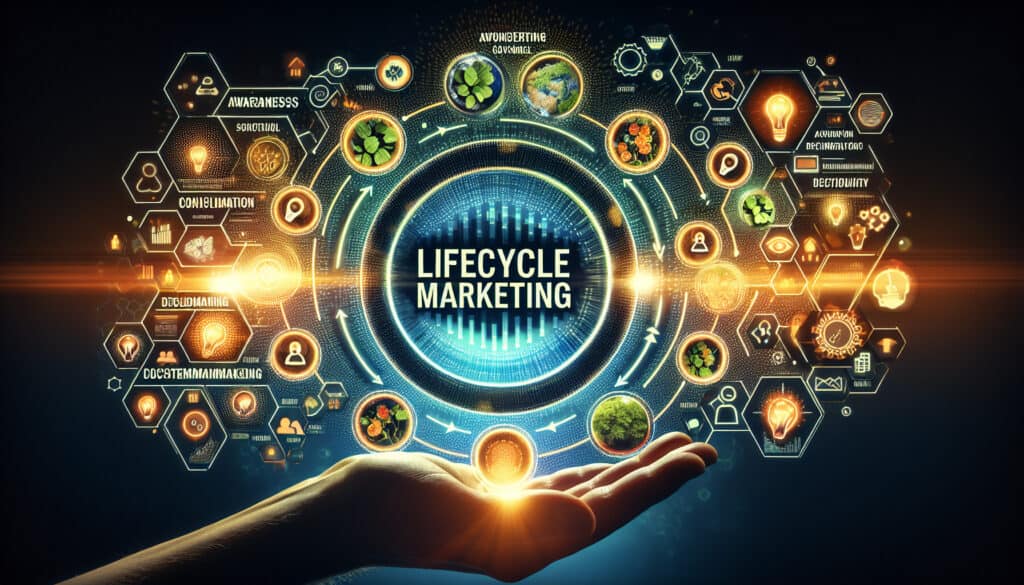
A marketing approach that focuses on creating a long-term relationship with customers by providing them with relevant and valuable experiences at every stage of their journey, from awareness to advocacy.
장점
Increases customer loyalty and lifetime value; Improves the customer experience.
단점
Can be complex to implement and manage; Requires a deep understanding of the customer journey.
카테고리:
고객 및 마케팅
다음과 같은 경우에 가장 적합합니다:
Building long-term relationships with customers to increase their loyalty and lifetime value.
Lifecycle Marketing encompasses various stages that align with design thinking methodologies employed in product development and innovation. For instance, during the awareness phase, businesses can leverage data analytics to understand potential customer needs, often incorporating user personas derived from research within design and engineering contexts, ensuring their products or services resonate with target demographics. Industries such as technology, consumer goods, and healthcare frequently utilize this approach to create seamless customer interactions through personalization techniques that evolve over time, directly influencing product iterations based on user feedback and engagement metrics. Collaboration among cross-functional teams, including marketing, design, and engineering, is instrumental in continuously refining customer touchpoints, while the engagement phase allows companies to introduce loyalty programs or subscription models that encourage repeat usage, increasing customer lifetime value. In this way, Lifecycle Marketing aligns marketing efforts closely with product development, ensuring that changes in customer preferences inform future design iterations and that post-purchase support enhances user satisfaction, leading to a more profound advocacy from loyal customers. Feedback loops can be established whereby customer insights gathered post-sale inform subsequent product features or updates, reinforcing a commitment to evolving products and services based on real-world usage and customer experience. Such methodologies not only drive retention but can also reduce the cost of customer acquisition, maximizing the effectiveness of marketing resources.
이 방법론의 주요 단계
Map customer touchpoints across the lifecycle stages: awareness, consideration, purchase, retention, and advocacy.
Create personalized content and messaging tailored to each stage of the customer's experience.
Implement automation tools to manage customer interactions and deliver timely communications.
Develop loyalty programs that reward repeat purchases and long-term engagement.
Engage customers through feedback loops, soliciting input and acting on suggestions.
Utilize data analytics to measure engagement, satisfaction, and lifetime value metrics.
Adjust marketing strategies based on performance metrics, ensuring continuous improvement.
Strengthen community-building efforts to enhance customer advocacy and peer-to-peer recommendations.
프로 팁
Implement predictive analytics to anticipate customer needs and personalize their experiences, enhancing engagement across touchpoints.
Leverage user-generated content and community-building strategies to cultivate loyalty and encourage brand advocacy among existing customers.
Use A/B testing for continuous optimization of marketing communication channels, ensuring relevance and maximizing customer retention rates.