변화 관리, 지속적인 개선, 린 제조, 성과 추적, 프로세스 개선, 프로젝트 관리, 품질 보증, 품질 관리, 위험 관리
목적:
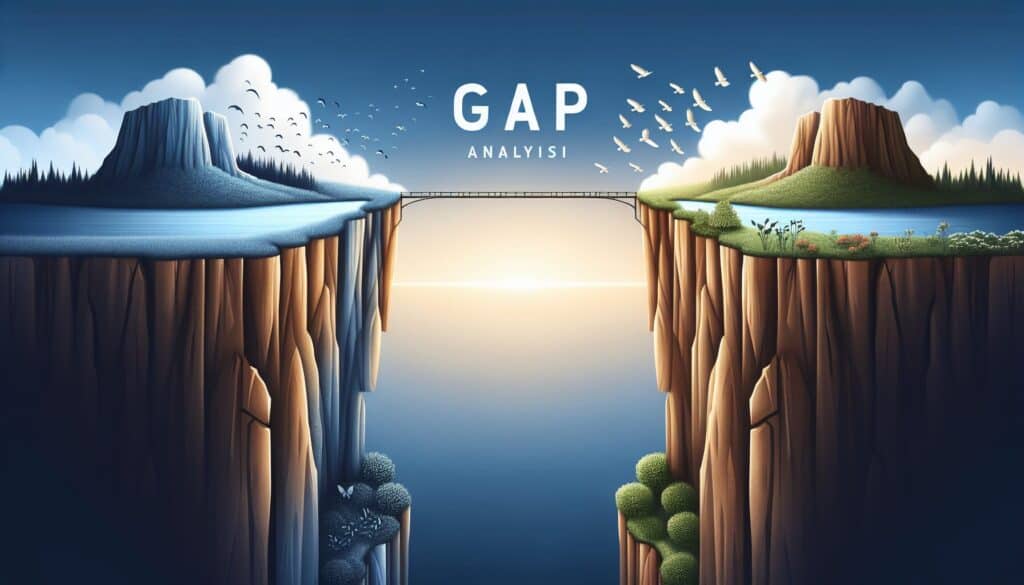
현재 상태(현실)와 바람직한 미래 상태(현실이 되어야 하거나 될 수 있는 모습) 사이의 차이(‘격차’)를 파악하고, 그 격차를 해소하는 데 필요한 단계를 결정하는 방법.
사용 방법:
이는 다양한 측면(예: 성과, 프로세스, 역량, 기술)에 걸쳐 현재 상태와 바람직한 미래 상태를 명확하게 정의하는 것을 포함합니다. 그런 다음 차이점을 분석하여 구체적인 격차를 파악하고, 이러한 격차를 해소하기 위한 전략 또는 실행 방안을 개발합니다.
장점
현재 성과를 이해하고 개선 영역을 파악하기 위한 명확한 틀을 제공합니다. 원하는 결과를 달성하기 위해 노력과 자원을 우선순위화하는 데 도움이 됩니다. 비즈니스 또는 프로젝트의 다양한 측면에 적용할 수 있습니다.
단점
'바람직한 상태'를 정의하는 것은 주관적이거나 어려울 수 있습니다. 격차의 근본 원인을 심층적으로 탐구하지 않으면 지나치게 단순화될 수 있습니다. 현재 상태에 대한 정확한 평가가 필요하며, 격차를 해소하기 위해서는 상당한 변화 관리 노력이 요구되는 경우가 많습니다.
카테고리:
고객 및 마케팅, 경제학, 린 시그마, 문제 해결, 프로젝트 관리, 품질
다음과 같은 경우에 가장 적합합니다:
현재 성과와 목표치 간의 차이를 파악하고, 전략적 목표를 달성하거나 프로세스를 개선하기 위한 실행 계획을 수립합니다.
Gap Analysis serves as a practical tool across various phases of product design, innovation, and engineering, particularly during the planning and assessment stages of project development. For instance, in the automotive industry, manufacturers may conduct a Gap Analysis to compare current vehicle performance metrics with future performance targets outlined in emerging regulatory standards or consumer expectations for sustainability. This methodical comparison allows design teams to identify specific areas needing improvement, such as fuel efficiency or safety features, and formulate strategic enhancement plans. Participants typically include cross-functional teams comprising project managers, product designers, engineers, and quality assurance specialists to ensure diverse input and comprehensive gap identification. In fields such as information technology, Gap Analysis can address disparities between existing software capabilities and advancements needed to meet evolving cybersecurity threats. The use of Gap Analysis extends to process optimization, where organizations in manufacturing may examine operational workflows to uncover inefficiencies against desired throughput rates. Tools like SWOT analysis or benchmarking against industry standards can complement Gap Analysis, enhancing its effectiveness in solidifying competitive advantage. This methodology offers a structured approach that not only aids in identifying deviations from strategic objectives but also promotes informed decision-making regarding resource allocation, aligning project efforts with organizational goals.
이 방법론의 주요 단계
관련 차원에 걸쳐 현재 상태를 정의하십시오.
바람직한 미래 상태와 구체적인 목표를 설정하십시오.
현재 상태와 목표 상태 간의 차이점을 분석합니다.
성과, 프로세스, 기술 및 기술력 측면에서 구체적인 격차를 파악하십시오.
파악된 격차를 해소하기 위한 전략 또는 실행 방안을 개발하십시오.
영향력과 격차 해소 노력의 실현 가능성을 기준으로 격차의 우선순위를 정하십시오.
우선순위가 높은 격차를 해소하기 위한 실행 계획을 수립하십시오.
프로 팁
체계적인 점수 시스템을 활용하여 파악된 격차를 정량화하고 우선순위를 정함으로써 데이터 기반의 전략적 자원 배분 의사결정을 가능하게 합니다.
다양한 전문성을 활용하고 현재 상태와 목표 상태 모두에 대한 포괄적인 이해를 확보하기 위해 격차 분석 프로세스에 여러 부서 간 협업 팀을 참여시키십시오.
조직의 변화하는 목표와 일관성을 유지하기 위해, 전략의 격차를 해소하고 지속적인 모니터링 및 조정을 위한 피드백 루프를 구축합니다.