Product Design, Manufacturing & Innovation Resources

디지털 트윈

디지털 트윈

디지털 트윈

목적:

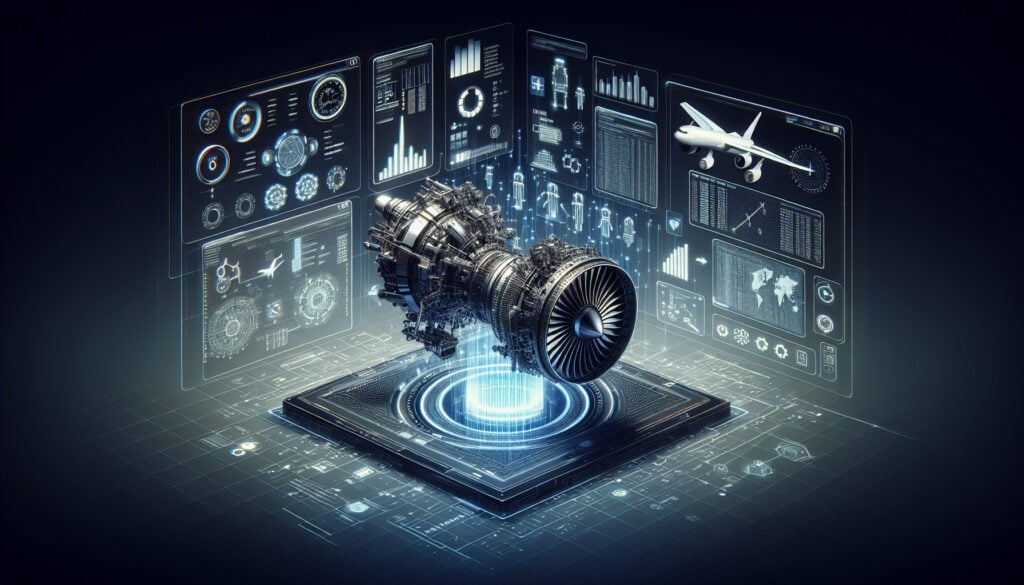
물리적 객체, 프로세스 또는 시스템의 가상 표현으로, 실시간 디지털 대응물 역할을 합니다.

사용 방법:

장점

단점

카테고리:

다음과 같은 경우에 가장 적합합니다:

Digital Twin technology is employed across various sectors, including manufacturing, healthcare, automotive, and smart cities, where it facilitates the management of physical assets by creating an accurate virtual representation that mirrors real-time conditions and operational performance. In manufacturing, for instance, a digital twin of a production line allows for detailed analysis of workflow inefficiencies, enabling manufacturers to optimize their processes and enhance productivity while minimizing waste. In the automotive industry, digital twins are utilized in the development and maintenance of vehicles; by simulating various driving conditions and scenarios, engineers can predict how components will perform over time, which aids in improving design and safety features. Healthcare applications often involve creating digital twins of patients, integrating data from wearable devices and health records to refine treatment plans and enhance personalized medicine. The construction sector benefits from digital twins in managing the lifecycle of buildings; they can track the ongoing performance of infrastructure, planning maintenance and upgrades proactively. This methodology typically involves collaboration among diverse teams, including engineers, data analysts, and domain experts, ensuring that the digital twin is accurately reflective of the physical entity. Furthermore, stakeholders at various project stages—from conceptual design through production and maintenance—can initiate or participate in the creation and refinement of digital twins, leveraging them for simulations and scenario analysis to drive better outcomes without interfering with the actual operations of the physical assets.

이 방법론의 주요 단계

  1. 물리적 자산의 사양 및 설계 데이터를 기반으로 해당 자산의 디지털 표현을 개발합니다.
  2. 물리적 자산에 설치된 센서에서 수집된 실시간 데이터 스트림을 디지털 트윈 모델에 통합합니다.
  3. 통합된 데이터에서 의미 있는 통찰력을 도출하기 위해 데이터 처리 및 분석 알고리즘을 구현합니다.
  4. 디지털 트윈 내의 시뮬레이션 도구를 활용하여 다양한 운영 시나리오를 테스트하고 결과를 예측하십시오.
  5. 디지털 트윈을 통해 물리적 자산의 성능을 모니터링하고 이상 징후 및 비효율성을 파악합니다.
  6. 시뮬레이션 및 실제 성능 데이터에서 얻은 피드백을 기반으로 디지털 트윈 모델을 반복적으로 최적화합니다.
  7. 디지털 트윈에서 생성된 예측 분석을 기반으로 예측 유지보수 일정을 수립할 수 있습니다.
  8. 이해관계자들에게 실시간 데이터와 예상 시나리오를 제시하여 의사결정을 촉진합니다.

프로 팁

  • 예측 분석 및 유지 보수 일정 관리를 개선하기 위해 고급 머신 러닝 알고리즘을 통합하여 이상 징후를 탐지합니다.
  • Establish a robust data governance framework ensuring data accuracy and cybersecurity in sensor communications and digital twin updates.
  • 실시간 피드백 메커니즘을 활용하여 시뮬레이션 모델을 지속적으로 개선하고 예측 능력과 운영 관련성을 향상시키십시오.

여러 방법론을 읽고 비교하기 위해, 저희는 다음을 추천합니다

> 광범위한 방법론 저장소  <
400가지가 넘는 다른 방법론들과 함께.

이 방법론에 대한 의견이나 추가 정보는 언제든지 환영합니다. 아래 댓글란 ↓ , 엔지니어링 관련 아이디어나 링크도 마찬가지입니다.

역사적 맥락

1950
1955
1956
1960
1960
1960
1960
1950
1950
1955
1958
1960
1960
1960
1960

(날짜를 알 수 없거나 관련이 없는 경우, 예를 들어 "유체역학"의 경우, 주목할 만한 등장 시기를 대략적으로 추정하여 제공합니다.)

관련 게시물

고화질 이미지 및 다운로드는 등록된 회원에게만 100% 무료로 제공됩니다.

> 로그인 <