브레인스토밍, 창의성, 디자인 사고, 혁신, 문제 해결 기법, 프로세스 개선, 프로젝트 관리, 팀워크, 사용자 중심 디자인
목적:
알렉스 오스본과 시드니 파네스가 고안한, 문제를 해결하거나 기회를 포착하기 위한 체계적인 프로세스.
사용 방법:
CPS는 문제 명확화, 아이디어 생성(예: 브레인스토밍), 해결책 개발 및 실행 등 여러 단계를 거치는 공식적인 프로세스를 따릅니다. 또한 발산적 사고(아이디어 생성)와 수렴적 사고(아이디어 평가)를 구분합니다.
장점
체계적이고 반복 가능한 혁신 방법을 제공하며, 해결책을 제시하기 전에 문제를 충분히 탐색하도록 장려하고, 다양한 상황에 적용할 수 있습니다.
단점
비공식적인 브레인스토밍보다 시간이 더 많이 소요되고 구조화되어 있으며, 최상의 결과를 얻으려면 진행자와 과정에 대한 헌신이 필요합니다.
카테고리:
아이디어 구상, 문제 해결
다음과 같은 경우에 가장 적합합니다:
체계적인 다단계 프로세스를 통해 혁신적인 해결책이 필요한 복잡한 문제를 해결합니다.
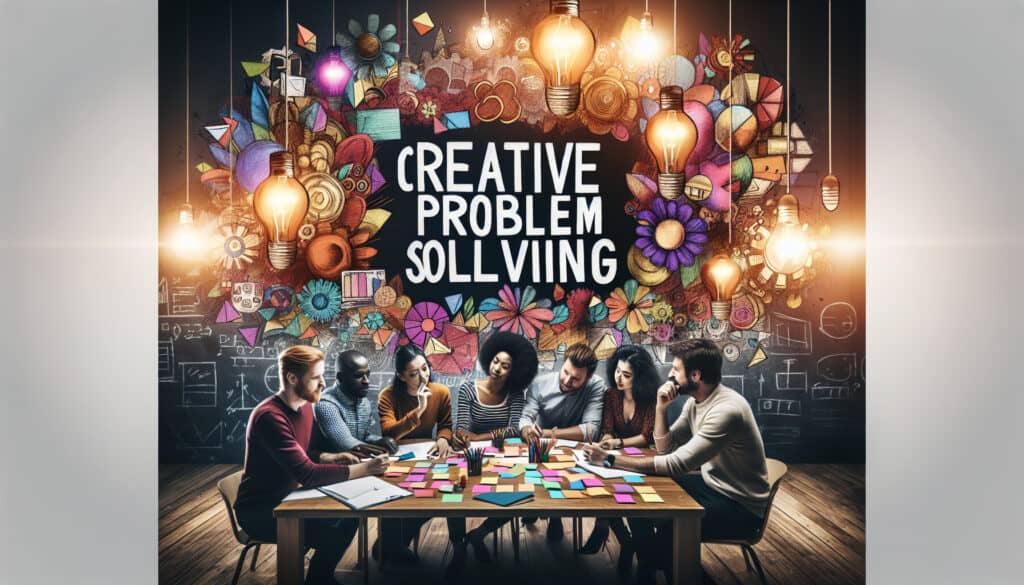
Creative Problem Solving (CPS) is particularly effective in industries such as product design, technology development, and engineering, where teams face multifaceted challenges requiring innovative approaches. It finds application in sectors like healthcare, where teams tackle issues ranging from patient experience enhancements to medical technology advancements, and in consumer goods, where companies are focused on meeting evolving customer needs and preferences. CPS is ideally implemented during the ideation and prototype phases of product development, allowing teams to explore various concepts and refine their ideas based on user feedback and testing. Cross-disciplinary collaboration among participants such as designers, engineers, marketers, and end-users is encouraged, inviting diverse viewpoints and fostering creativity. This methodology promotes a safe environment for brainstorming without fear of judgment, thereby stimulating a wide array of potential solutions. An example of its application is in automotive design, where teams might address not only aesthetic concerns but also functionality, safety, and sustainability, necessitating a thorough investigation of existing constraints and opportunities before arriving at a final design. The flexibility of the CPS approach allows organizations to adapt it to fit specific contexts and challenges, making it applicable not just in corporate settings, but also in educational environments where students engage in project-based learning and are taught to think innovatively. This structured approach not only increases the likelihood of generating effective solutions but also enhances team cohesion and collective problem-solving capability.
이 방법론의 주요 단계
도전 과제 또는 기회를 파악하십시오.
문제 진술을 명확히 하십시오.
브레인스토밍이나 기타 창의적인 기법을 통해 아이디어를 도출하세요.
실현 가능성과 영향력을 기준으로 아이디어를 다듬고 우선순위를 정하십시오.
선택한 솔루션의 프로토타입 또는 모델을 개발합니다.
프로토타입의 효과성을 테스트하고 평가합니다.
최적의 해결책을 실행하고 결과를 모니터링하십시오.
프로 팁
문제 명확화 단계에서 공감 지도를 활용하여 사용자의 요구 사항과 문제점을 심층적으로 이해하십시오.
신속한 프로토타이핑을 도입하여 아이디어를 빠르게 테스트하고, 본격적인 구현 전에 반복적인 피드백과 개선을 거치세요.
브레인스토밍 과정에서 SCAMPER 기법을 적용하여 기존의 사고방식을 뛰어넘고 기존 개념을 다듬어 새로운 해결책을 도출하십시오.