프로세스 개선, 품질 보증, 위험 관리, 소프트웨어, 소프트웨어 엔지니어링, 소프트웨어 테스트, 통계 분석
목적:
프로그램을 실행하지 않고 제어 흐름을 파악하는 데 사용되는 정적 분석 기법.
사용 방법:
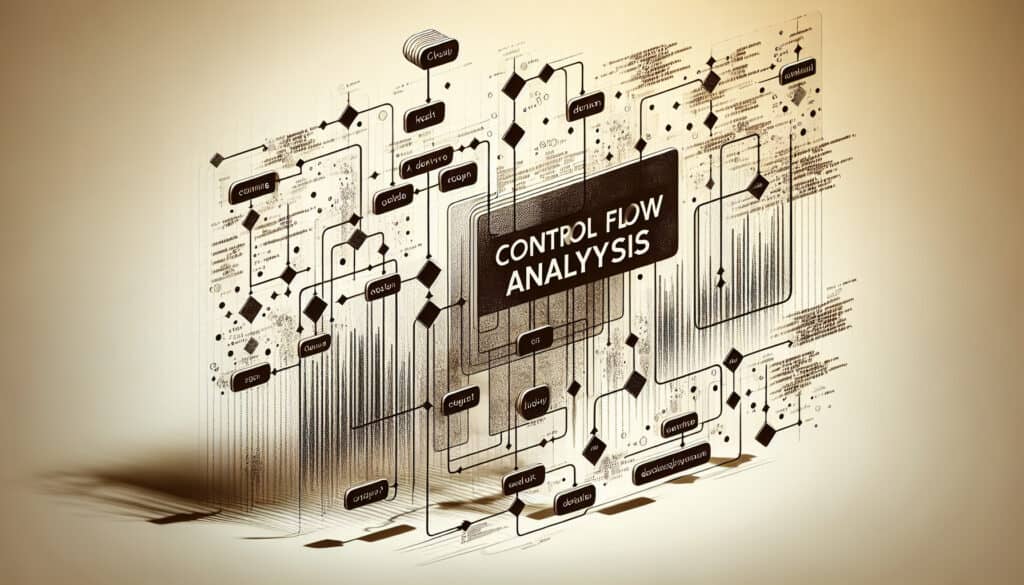
컴파일러에서 흔히 사용되는 방법으로, 프로그램 실행 중에 프로그램이 거쳐갈 수 있는 모든 경로를 그래프로 표현(제어 흐름 그래프)하는 데 사용됩니다.
장점
컴파일러의 코드 최적화에 필수적이며, 도달할 수 없는 코드나 무한 루프를 감지할 수 있고, 다른 여러 유형의 소프트웨어 분석의 기반이 됩니다.
단점
간접 점프나 기타 복잡한 제어 구조를 가진 프로그램의 경우 복잡할 수 있으며, 가능한 경로만 분석할 뿐 실제로 어떤 경로가 선택될지는 분석하지 않습니다.
카테고리:
공학, 품질
다음과 같은 경우에 가장 적합합니다:
프로그램의 가능한 실행 경로를 정적으로 분석하여 최적화하거나 오류를 검사합니다.
Control Flow Analysis (CFA) finds utility across various sectors like software development, automotive systems, and embedded systems design, where safety and reliability are paramount. This methodology is particularly relevant in the debugging phase of software development, where developers aim to identify potential flaws that could lead to crashes or unintended behavior. Participants in this process typically include software engineers, quality assurance teams, and system architects who work collaboratively to ensure robust application functionality. In automotive industries, for instance, CFA contributes to the verification of safety-critical systems such as autopilot or anti-lock braking systems by evaluating the control flow to ensure there are no paths that could lead to failure during operation. In game development, CFA assists in optimizing rendering and processing tasks by ensuring the code paths that process graphics and physics operations are efficient, thus improving overall performance. Additionally, CFA can be applied in static code analysis tools that help developers analyze large codebases for potential issues like unexecuted code segments or inadvertent infinite loops, which can significantly increase software reliability and maintainability. Tools employing this methodology also facilitate automated testing processes, allowing teams to create targeted test cases based on the identified execution paths, ensuring comprehensive coverage and intervening early in the development cycle to prevent costs associated with debugging late-stage code. This structured approach, often foundational for advanced software analyses like data flow analysis or static program verification, enhances the overall quality and resilience of software products deployed in various critical applications.
이 방법론의 주요 단계
소스 코드를 분석하여 추상 구문 트리(AST)를 생성합니다.
AST를 분석에 적합한 중간 표현(IR)으로 변환합니다.
제어 전송이 없는 일련의 명령어를 포함하는 IR의 기본 블록을 식별합니다.
제어 구조를 기반으로 잠재적 전환을 분석하여 기본 블록 간의 제어 흐름을 결정합니다.
제어 흐름을 나타내는 간선을 사용하여 기본 블록들을 연결함으로써 제어 흐름 그래프(CFG)를 구성합니다.
CFG를 분석하여 도달할 수 없는 블록, 루프 및 기타 구조적 특성을 식별합니다.
CFG 분석 결과를 바탕으로 프로그램 코드를 최적화하십시오.
프로 팁
고급 데이터 흐름 분석 기법을 통합하여 제어 흐름 분석의 정확도를 높이고, 더 나은 정보에 기반한 최적화 및 미묘한 오류 감지를 가능하게 하십시오.
제어 흐름 그래프 단순화에 휴리스틱 기법을 활용하여 분석 품질을 저하시키지 않고 정적 분석 도구의 성능 효율성을 향상시키세요.
기호 실행과 제어 흐름 분석을 통합하여 특히 동적 입력과 복잡한 조건 구조를 가진 프로그램의 오류 탐지 기능을 강화합니다.