지속적인 개선, Just-in-Time (JIT), 린 제조, 프로세스 개선, 생산 효율성, 품질 관리, 가치 흐름 맵핑
목적:
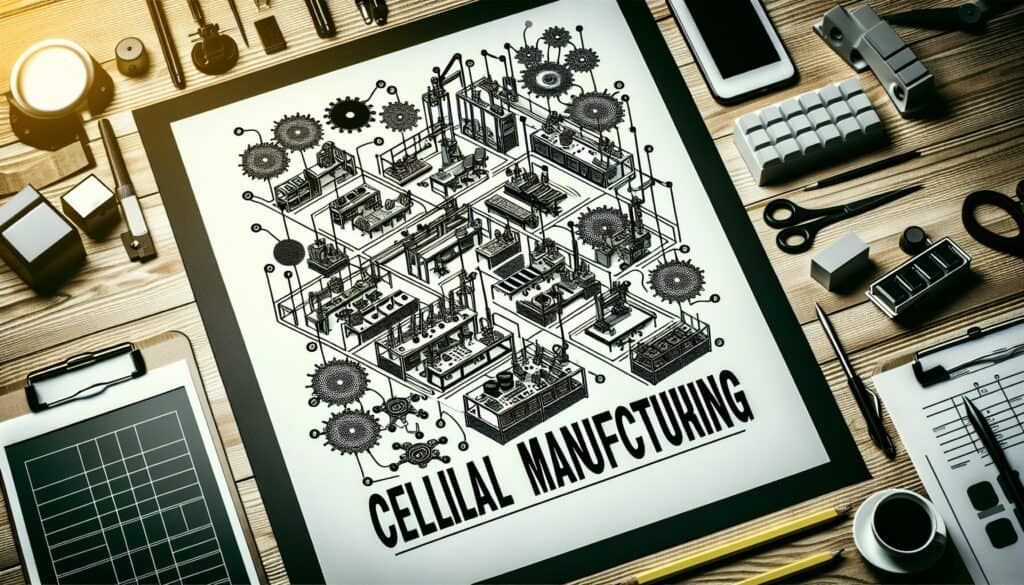
생산 효율을 향상시키기 위해, 서로 다른 기계들을 유사한 가공 요구사항을 가진 제품(부품군)을 처리하는 셀로 그룹화합니다.
사용 방법:
작업대와 장비는 자재와 부품이 생산 공정을 통해 원활하게 흐르고 운송 및 지연이 최소화되도록 순차적으로 배치됩니다. 셀은 유사한 부품군을 생산하는 역할을 담당합니다.
장점
재고량, 리드 타임 및 자재 취급을 줄이고, 유연성, 작업자 사기 및 품질을 향상시키며, 공장 공간을 절약합니다.
단점
구현 비용이 많이 들 수 있음(장비 재배치, 교육); 신중한 계획 및 부품군 식별이 필요함; 셀 내 기계 활용률이 적절하게 균형을 이루지 못하면 낮아질 수 있음; 셀 내 기계 중 하나가 고장 나면 전체 작업 중단에 취약함.
카테고리:
린 시그마, 조작, 제품 디자인
다음과 같은 경우에 가장 적합합니다:
다양하고 소량에서 중량 생산에 특화된 생산 단위를 구축하여 생산 흐름과 효율성을 향상시킵니다.
Cellular manufacturing is particularly effective in industries such as automotive, electronics, and appliance manufacturing, where product lines often consist of a variety of components requiring customized assembly processes. This methodology is most beneficial during the design and development phases of new products, where early collaboration among engineers, designers, and production teams can lead to more efficient workflows. The implementation of cellular manufacturing typically begins with a thorough analysis of the product family to identify similarities and group related components, which enables the design of cells that can efficiently deal with variations in production. Participants including production supervisors, quality assurance personnel, and manufacturing engineers are crucial in defining the specific tasks and responsibilities within each cell. This collaborative approach not only enhances communication among team members but also fosters a sense of ownership and accountability, leading to improved worker morale. Furthermore, the layout of the production area can facilitate better ergonomic practices and minimize operator fatigue, which in turn translates to higher quality outputs and lower defect rates. Companies that incorporate cellular manufacturing may use techniques such as just-in-time inventory and lean principles to further enhance productivity, thereby reducing costs associated with excess inventory and prolonging lead times. Continuous improvement initiatives, like Kaizen, are often applied alongside cellular manufacturing, allowing teams to regularly assess and refine their processes to stay competitive in fast-paced markets.
이 방법론의 주요 단계
생산할 유사 부품군을 식별하십시오.
작업 흐름과 공간 효율성을 고려하여 셀룰러 레이아웃을 설계하십시오.
필요한 작업 순서에 따라 장비와 작업대를 그룹화하십시오.
팀 구성원들의 기술 역량을 바탕으로 셀 내의 특정 역할에 배정하십시오.
셀 내 각 작업에 대한 표준화된 작업 절차를 구현하십시오.
작업 흐름과 품질을 모니터링하기 위한 시각적 제어 장치와 도구를 구축하십시오.
성과 및 피드백을 바탕으로 정기적인 검토 및 조정을 실시하십시오.
직원들에게 셀 작동법을 교육하고 유연성을 높이기 위해 교차 교육을 장려하십시오.
효율성 지표와 제품 품질을 기반으로 설계 및 프로세스를 반복적으로 개선합니다.
프로 팁
프로세스 흐름을 정기적으로 분석하여 병목 현상을 파악하고 작업 스테이션 간의 작업량을 균형 있게 분배하여 최적의 효율성을 달성하십시오.
수요 변동에 따라 작업 및 부서 간 이동이 용이하도록 유연성을 높이기 위해 작업자에게 교차 교육을 실시하십시오.
성능 지표를 활용하여 셀 효율성을 지속적으로 평가하고, 실시간 생산 데이터를 기반으로 레이아웃과 자원을 조정합니다.