고객 여정 맵핑, 디자인 프로세스, 디자인 사고, 인간 중심 디자인, Interaction Design, 프로토타이핑, 사용자 경험(UX), 사용자 중심 디자인
목적:
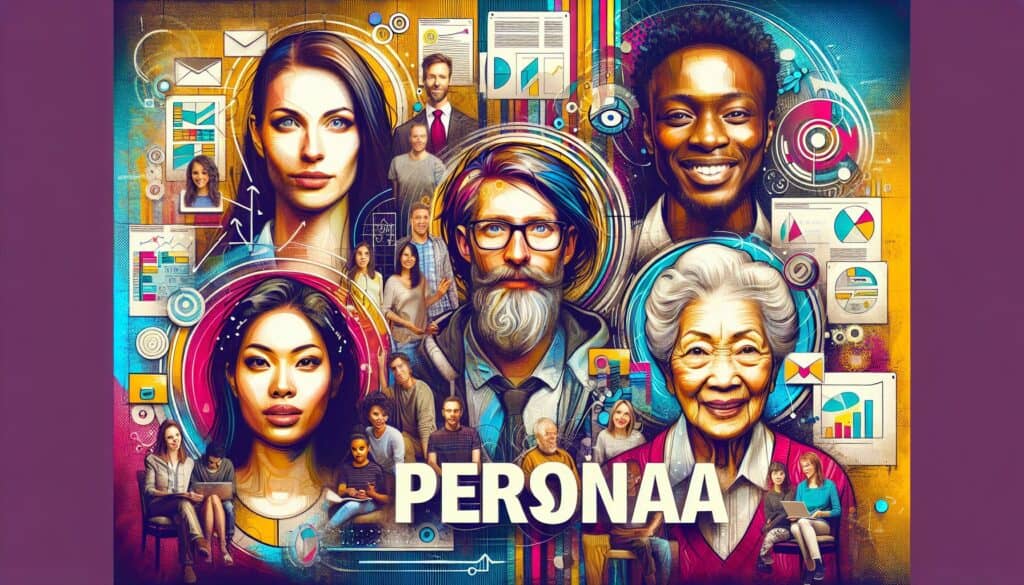
사용자 조사를 기반으로 목표 사용자 유형에 대한 풍부하고 가상의 표현을 만들어 디자인 팀이 실제 사용자를 공감하고 그들을 위한 디자인을 할 수 있도록 돕습니다.
사용 방법:
페르소나 사용자 조사 데이터(인터뷰, 설문 조사, 관찰)를 기반으로 개발된 사용자 프로필에는 이름, 사진, 인구 통계 정보, 목표, 요구 사항, 동기, 문제점 및 관련 행동이 포함됩니다. 이러한 프로필은 디자인 프로세스 전반에 걸쳐 참고 자료로 사용됩니다.
장점
공감 능력을 길러줍니다 사용자 중심 design, helps create focus and alignment within the team, aids in decision-making and feature prioritization, improves communication about users.
단점
제대로 조사되지 않으면 고정관념에 기반할 수 있고, 다양성이 부족하면 모든 사용자를 대표하지 못할 수 있으며, 정기적으로 업데이트되지 않으면 시대에 뒤떨어질 수 있고, 디자인 팀이 유연성 없이 이를 실제 개인으로 취급할 위험이 있습니다.
카테고리:
고객 및 마케팅, 인간 공학, 아이디어 구상, 제품 디자인
다음과 같은 경우에 가장 적합합니다:
특정 사용자 유형의 요구 사항, 목표 및 행동을 프로세스의 최우선 순위에 두어 설계 및 개발 결정을 안내합니다.
Personas serve as vital tools across various stages of the product design process, particularly in industries like software development, consumer electronics, healthcare, and automotive, where understanding user needs is fundamental for innovation. During the research phase, development teams initiate persona creation through qualitative and quantitative research methods, gathering data from real users through in-depth interviews and contextual inquiries. This data becomes aggregated into distinct archetypes representing segments of the user base, ensuring that design and engineering efforts align with actual user behaviors and expectations. Teams often employ these personas in brainstorming sessions, ensuring that discussions remain centered around user-centered principles while informing feature selection and design enhancements that resonate with target audiences. Regular workshops involving cross-disciplinary team members, such as designers, engineers, marketing specialists, and stakeholders, help maintain alignment on user goals and pain points, fostering an environment where every decision is informed by a deep understanding of the user. Additionally, personas are beneficial for creating user stories, enhancing communication across teams by providing a tangible reference that conveys user motivations and challenges, thus breaking down silos that often exist in organizational structures. Well-developed personas can also be instrumental in usability testing scenarios, enabling teams to validate design assumptions and optimize the user experience based on concrete user feedback. Integrating persona-driven methodologies throughout the product lifecycle enhances the ability to innovate continuously while remaining responsive to evolving user needs and expectations.
이 방법론의 주요 단계
사용자 조사 데이터를 분석하여 패턴과 추세를 파악합니다.
공통된 특성을 기준으로 사용자를 서로 다른 그룹으로 분류합니다.
각 페르소나에 대해 이름, 사진, 인구 통계 정보 및 배경을 포함한 상세한 프로필을 작성하세요.
각 페르소나에 대한 구체적인 목표와 요구 사항을 정의하십시오.
각 페르소나와 관련된 동기 및 문제점을 파악합니다.
각 페르소나의 관련 행동 및 선호도를 간략하게 설명하십시오.
디자인 프로세스를 안내하기 위해 페르소나를 팀과 공유하세요.
사용자 중심적인 설계 및 개발을 위해 참조 페르소나를 활용하십시오.
새로운 사용자 피드백과 인사이트를 바탕으로 페르소나를 반복적으로 개선합니다.
프로 팁
제품 수명 주기 전반에 걸쳐 사용자 조사가 진행됨에 따라 페르소나를 지속적으로 재검토하여 반복적인 피드백 루프를 통합하십시오.
페르소나를 구체화할 때는 정성적 데이터와 함께 정량적 분석을 활용하여 사용자 행동 트렌드를 정확하게 반영하도록 해야 합니다.
제품과의 사용자 상호작용에 대한 팀의 이해도를 높이기 위해, 현실적인 상황에서 사용자 페르소나를 묘사하는 시나리오를 활용하십시오.