비율 생화학적 산소 요구량 생화학적 산소 요구량(BOD)과 화학적 산소 요구량(COD)의 비율은 폐수 내 유기 오염 물질의 생분해성을 나타내는 핵심 지표입니다. COD는 화학적으로 산화될 수 있는 거의 모든 유기물을 측정하는 반면, BOD는 미생물이 쉽게 분해할 수 있는 부분만을 측정합니다. BOD/COD 비율이 높을수록 폐수의 생분해성이 높아 생물학적 처리에 적합하다는 것을 의미합니다.


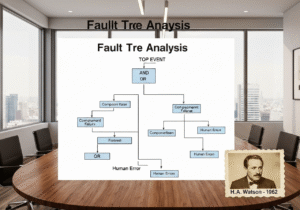
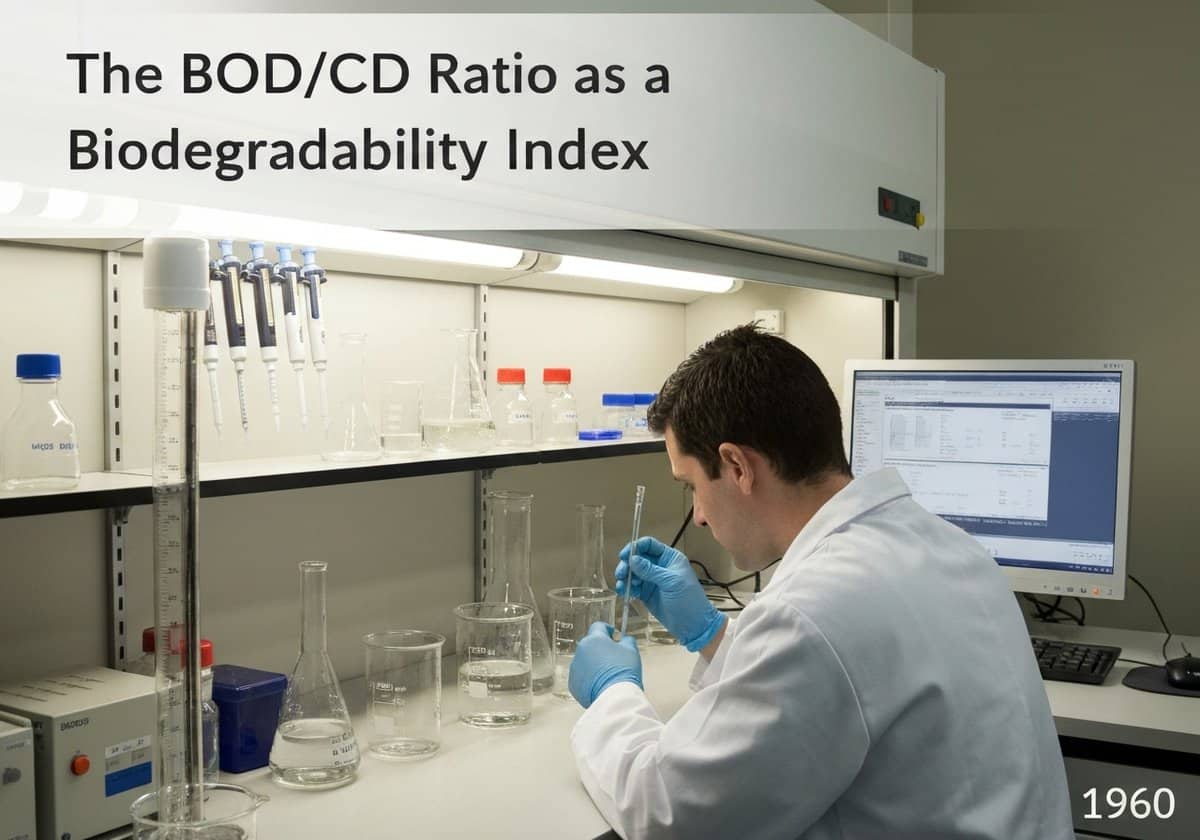
(설명을 위한 생성된 이미지입니다)
비율 생화학적 산소 요구량 생화학적 산소 요구량(BOD)과 화학적 산소 요구량(COD)의 비율은 폐수 내 유기 오염 물질의 생분해성을 나타내는 핵심 지표입니다. COD는 화학적으로 산화될 수 있는 거의 모든 유기물을 측정하는 반면, BOD는 미생물이 쉽게 분해할 수 있는 부분만을 측정합니다. BOD/COD 비율이 높을수록 폐수의 생분해성이 높아 생물학적 처리에 적합하다는 것을 의미합니다.

Chemical Oxygen Demand (COD) uses a strong chemical oxidant (like potassium dichromate in sulfuric acid) to oxidize both biodegradable and non-biodegradable (recalcitrant) organic matter. The BOD test, by contrast, relies on biological oxidation. Consequently, the COD value is almost always higher than the BOD value for the same sample. The BOD/COD ratio provides valuable insight into the nature of the wastewater. A ratio greater than 0.5 is typically considered to indicate that the wastewater is readily biodegradable and well-suited for biological treatment methods like activated sludge. A ratio below 0.3 suggests the presence of a significant fraction of recalcitrant or toxic compounds that may inhibit microbial activity, indicating that biological treatment alone may be ineffective. In such cases, advanced oxidation processes (AOPs) or other chemical/physical treatments might be required, either as a primary treatment or as a pre-treatment step to break down complex molecules and improve the BOD/COD ratio before biological treatment.
현재 하루 4만 건이 넘는 봇 트래픽을 차단하기 위해 이 콘텐츠는 커뮤니티 회원만 이용할 수 있습니다.
> 로그인 < 또는 >등록 < 이 콘텐츠를 비롯한 모든 제한된 콘텐츠와 도구는 (100% 무료로) 이용할 수 있습니다.
생분해성 지표로서의 BOD/COD 비율
(날짜를 알 수 없거나 관련이 없는 경우, 예를 들어 "유체역학"의 경우, 주목할 만한 등장 시기를 대략적으로 추정하여 제공합니다.)
고화질 이미지 및 다운로드는 등록된 회원에게만 100% 무료로 제공됩니다.
> 로그인 <