Product Design, Manufacturing & Innovation Resources

リードスコアリング

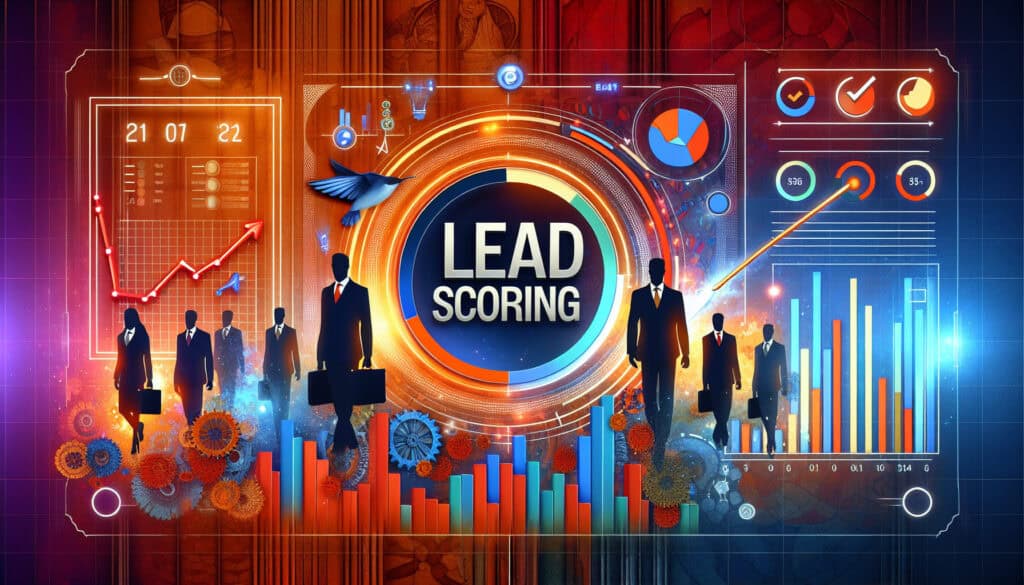
Visual of lead scoring process for sales prioritization and conversion potential analysis.

リードスコアリング

客観的:

To rank leads based on their sales-readiness.

使用方法:

長所

短所

カテゴリー:

最適な用途:

Lead Scoring utilizes a data-driven approach to evaluate potential customers based on criteria such as demographic attributes, engagement behaviors, and purchasing intent. This methodology is especially prevalent in industries such as software, e-commerce, and digital marketing, where understanding customer behavior is vital for optimizing sales strategies. The project phase where Lead Scoring is most impactful is typically during the pre-sales or lead qualification stage, as organizations seek to enhance their lead generation efforts by identifying which leads are more likely to convert into customers. Marketers and sales teams often collaborate in developing the scoring criteria, leveraging their collective knowledge on consumer behavior, past sales data, and industry trends. Advanced technologies such as machine learning can also play a significant role in refining these scores, allowing for real-time adjustments based on newly acquired data. By targeting highly scored leads, sales representatives can allocate their time more effectively, thereby enhancing the likelihood of closing deals. Additionally, customer service teams may use lead scores as a means of prioritizing follow-ups, ensuring that they engage with leads who exhibit a higher predisposition towards loyalty and longer-term engagement. This methodology not only empowers sales teams but also reinforces a data-centric culture within the organization, fostering cross-department collaboration aimed at achieving common business goals.

この方法論の主なステップ

  1. Define scoring criteria based on attributes and behaviors linked to high-value leads.
  2. Assign numerical values to each criterion, reflecting priority and importance.
  3. Integrate behavioral data, including engagement metrics and interactions.
  4. Calculate lead scores by applying defined criteria to existing leads.
  5. Segment leads according to their scores to prioritize outreach efforts.
  6. Continuously review and refine scoring model based on feedback and performance metrics.
  7. Implement scoring in CRM systems to automate lead prioritization and tracking.
  8. Train teams on utilizing lead scores for targeted engagement strategies.

プロのヒント

  • Incorporate behavioral tracking data into your lead scoring model to enhance accuracy and reflect real-time engagement.
  • Regularly calibrate your scoring criteria based on sales feedback and conversion analysis to ensure alignment with current market dynamics.
  • Implement a multi-tiered scoring system that differentiates lead attributes for immediate vs. long-term follow-ups, optimizing resource allocation.

複数の方法論を読み比べて、 私たちは、

> 包括的な方法論リポジトリ  <
400以上の他の手法と併せて。

この方法論に関するご意見や追加情報は、 以下のコメント欄 ↓、エンジニアリング関連のアイデアやリンクも同様です。

歴史的背景

1914
1950
1957
1960
1960
1970
1980
1914
1942
1957
1957
1960
1965
1970
1980

(日付が不明または関連性がない場合、例えば「流体力学」などでは、その注目すべき出現時期の概算値が提示されます。)

関連記事

フルサイズの画像とダウンロードは、登録会員のみが100%無料で利用できます。