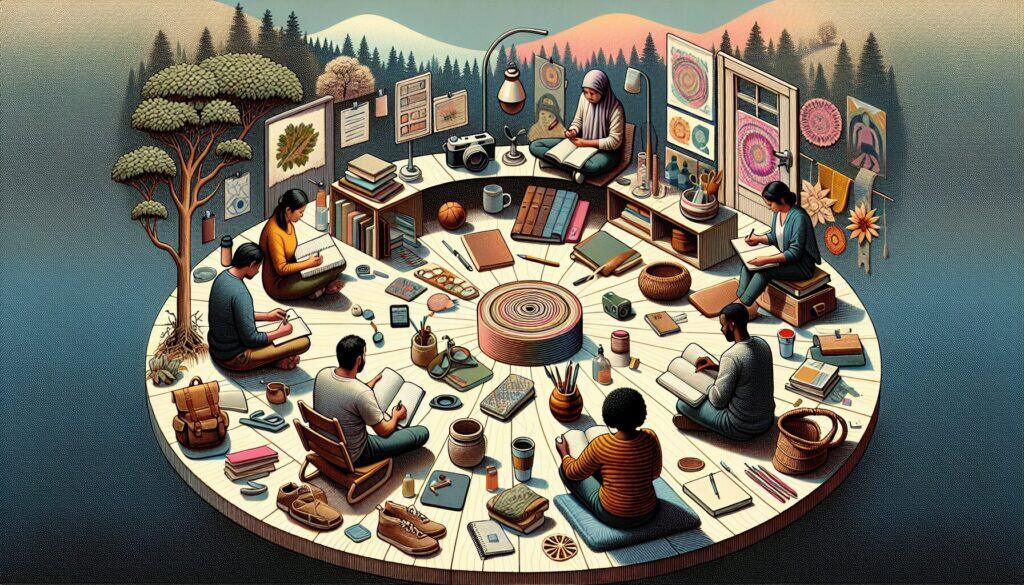
Diary studies are frequently employed in user-centered design processes within industries such as consumer technology, healthcare, and automotive design, where understanding the user experience is pivotal for successful product development. Participants in these studies can include end-users, stakeholders, and even service providers, allowing for a comprehensive view of the user ecosystem. In the initial phases of product design, diary studies can be integrated alongside other methodologies like ethnographic studies, enabling designers and engineers to collect qualitative data that reflects real-life usage patterns, preferences, and pain points encountered in everyday situations. Applications vary widely; in healthcare, for example, patients might document their interactions with medical devices or treatment regimens, revealing challenges that can inform enhancements to product usability. In consumer technology, users recording their daily interactions with applications or devices can uncover usability issues and feature requests that might not surface through traditional testing methods. This longitudinal approach allows teams to discover how user behavior evolves over time, making it easier to identify trends or shifts in needs, ultimately guiding iterative design processes. The collected data can serve to validate hypotheses gathered from preliminary research phases and enrich design sprints with real-world contexts that inform feature development, prioritization, and user satisfaction metrics.