Product Design, Manufacturing & Innovation Resources

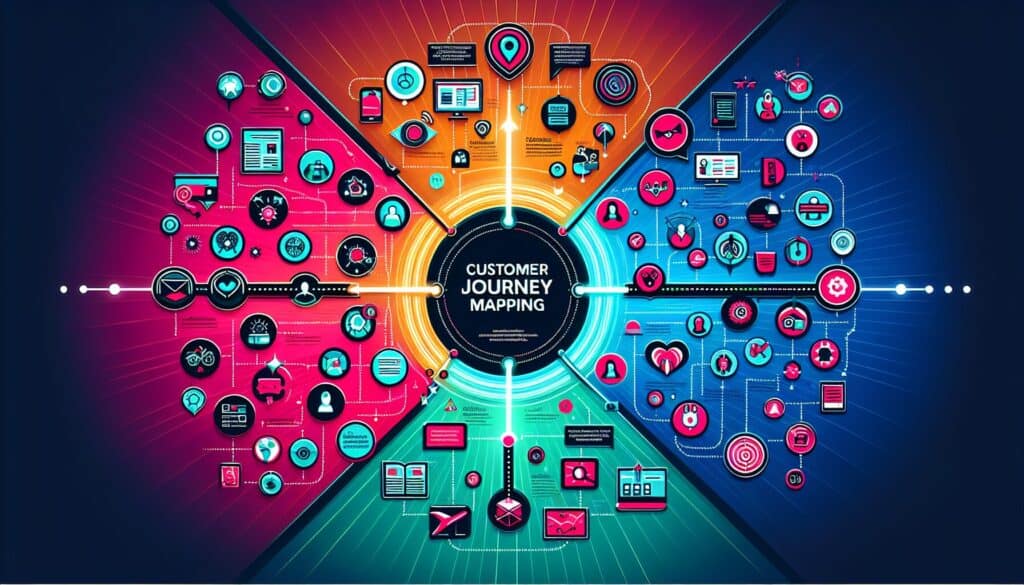
カスタマージャーニーマッピング

カスタマージャーニーマッピング

カスタマージャーニーマッピング

客観的:

視覚化 エンドツーエンド 顧客が組織や製品に対して抱く体験を、あらゆる接点やチャネルを通じて、顧客の視点から捉えたもの。

使用方法:

長所

短所

カテゴリー:

最適な用途:

Customer Journey Mapping serves a variety of applications across numerous sectors, including e-commerce, healthcare, and technology, playing a significant role in both product development and service design phases. Typically initiated by product managers or user experience designers, this methodology involves collaboration with cross-functional teams, including marketing, customer service, and R&D, to gather comprehensive data on customer interactions. In an e-commerce context, for instance, mapping can reveal obstacles customers encounter during the checkout process, leading to the design of more efficient payment options or clearer communication regarding shipping – both of which can enhance the purchasing experience. In healthcare, understanding the emotional and psychological states of patients can drive improvements in service delivery and communication strategies. Executed effectively, this mapping process not only visualizes customer touchpoints but also serves as a framework for iterative design sessions, allowing teams to prioritize enhancements based on identified pain points. Companies can leverage insights from this analysis to refine their value propositions, foster customer loyalty through improved satisfaction, and ultimately drive business growth through deeper engagements with their clientele. This methodology also reinforces an empathetic corporate culture, as stakeholders across the organization become more attuned to customer needs and behaviors, leading to a more cohesive strategy that aligns all departments toward enriching user experiences.

この方法論の主なステップ

  1. 具体的な顧客ペルソナを定義する。
  2. 顧客体験の明確な段階を特定し、概説する。
  3. 各段階における顧客の行動をマッピングする。
  4. 各段階における顧客の考えや感情を記録する。
  5. 顧客の不満点や摩擦が生じる箇所を特定する。
  6. 重要なやり取りや決定的な瞬間を強調する。
  7. 顧客ライフサイクルにおける改善の機会を見つける。
  8. 分析しやすいように、データを分かりやすい形式で視覚化する。
  9. 関係者から地図に関するフィードバックを収集する。
  10. フィードバックや新たな知見に基づいて、地図を繰り返し改良する。

プロのヒント

  • データ分析と顧客からのフィードバックを活用して、さまざまなタッチポイントにおける傾向と相関関係を特定し、マップが実際の利用パターンに基づいた行動を反映していることを確認します。
  • マッピングプロセス全体を通して部門横断的なチームを参加させ、多様な視点を収集することで、顧客体験と課題に対する統一的な理解を促進する。
  • 新しいデータや変化する顧客ニーズに基づいて定期的にマップを見直し、更新することで、関連性を確保し、組織目標との整合性を維持する。

複数の方法論を読み比べて、 私たちは、

> 包括的な方法論リポジトリ  <
400以上の他の手法と併せて。

この方法論に関するご意見や追加情報は、 以下のコメント欄 ↓、エンジニアリング関連のアイデアやリンクも同様です。

歴史的背景

1914
1950
1957
1960
1960
1970
1980
1914
1942
1957
1957
1960
1965
1970
1980

(日付が不明または関連性がない場合、例えば「流体力学」などでは、その注目すべき出現時期の概算値が提示されます。)

関連記事

フルサイズの画像とダウンロードは、登録会員のみが100%無料で利用できます。