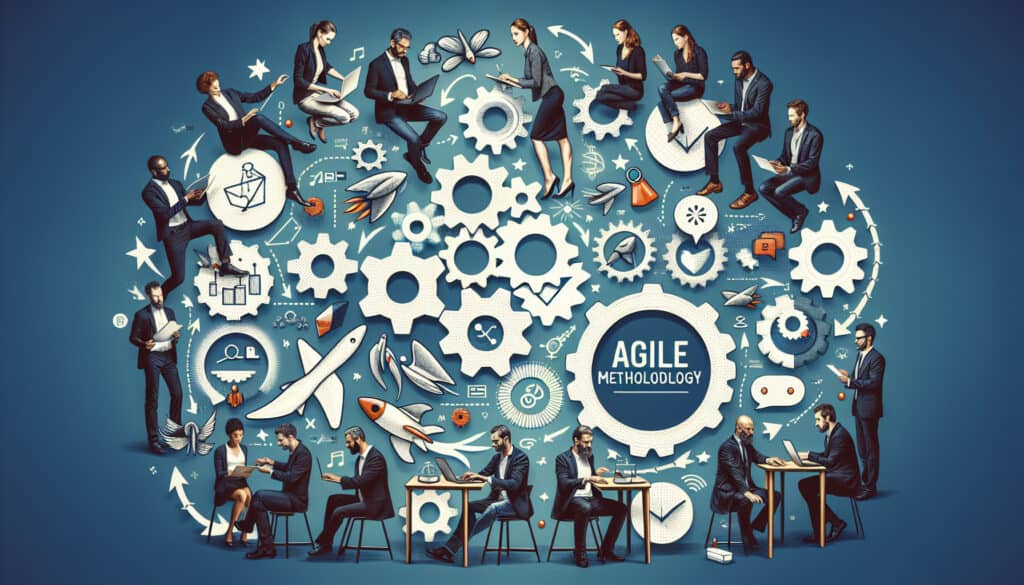
Agile methodology is particularly advantageous in industries such as software development, product design, and engineering, where rapid iterations and frequent user feedback are necessary for success. Organizations often
従事する in Agile practices during the development phases, especially in projects involving innovative products or technologies that require iterative testing and refinements. This methodology emphasizes collaboration among cross-functional teams, which may include designers, developers, product owners, and end-users, fostering an environment where continuous improvement is a priority. For example, in software development, Agile-driven projects lead to the creation of Minimum Viable Products (MVPs) that can be rapidly released for early testing and feedback, enabling teams to pivot based on user input. Similarly, in traditional engineering fields, Agile principles can be applied to manage
製品ライフサイクル phases, ensuring that prototypes are evaluated and enhanced based on real-world performance data. Companies using Agile methods often incorporate tools for backlog management and sprint planning, facilitating transparency and accountability throughout the project. Stakeholders are encouraged to be actively involved, participating in sprint reviews, which allows for quicker adjustments to products and strategic alignment with market needs. The iterative nature of Agile also ensures that risks can be identified and mitigated earlier in the process, ultimately leading to products that better meet customer expectations and market demands while reducing time to market.