組織変革が成功する確率はわずか30%であることをご存知ですか?この事実は、慎重な戦略の必要性を浮き彫りにしています。 変更管理ハーバード大学のジョン・コッター教授は、組織変革でよくある間違いを避けるための戦略的な手法を開発しました。彼の8段階のプロセスは、綿密に考え抜かれた包括的なアプローチを提供します。 フレームワーク.
コッターの手法は、さまざまな変革の取り組みに関する綿密な研究に基づいています。多くの変革が失敗する主な理由に対処し、組織全体の結束とリーダーシップを促進します。コッターの手順は、持続的かつ効果的な変革を実現するための鍵となります。
このガイドでは、コッターの8つのステップをそれぞれ詳しく解説します。リーダーがこれらの手法を組織変革に活用する方法をご覧いただけます。
主なポイント
- 組織が体系的なアプローチなしに変革を実行できる成功率はわずか30%に過ぎない。
- 経営陣の75%の支持を得ることは、変革への切迫感を生み出す上で極めて重要である。
- A guiding coalition must include various key チーム and a sponsor for effective change management.
- 勢いを維持するためには、短期的な成果が組織全体で明確かつ目に見える形で示される必要がある。
- Effective change コミュニケーション and employee recognition are essential for long-term success.
- ジョン・コッター博士の8段階モデルは、変化を管理するための包括的な枠組みを提供する。
- 変化を企業文化に根付かせることで、新しい取り組みが永続的な効果をもたらすことが保証される。
コッターの組織変革のための8段階プロセスを理解する
コッターのプロセス 組織変革の鍵となるのは、体系的な手法を用いることです。このモデルは、変化を慎重に導き、リーダーを育成し、組織内の各要素を整合させます。
コッターの8段階プロセスの概要
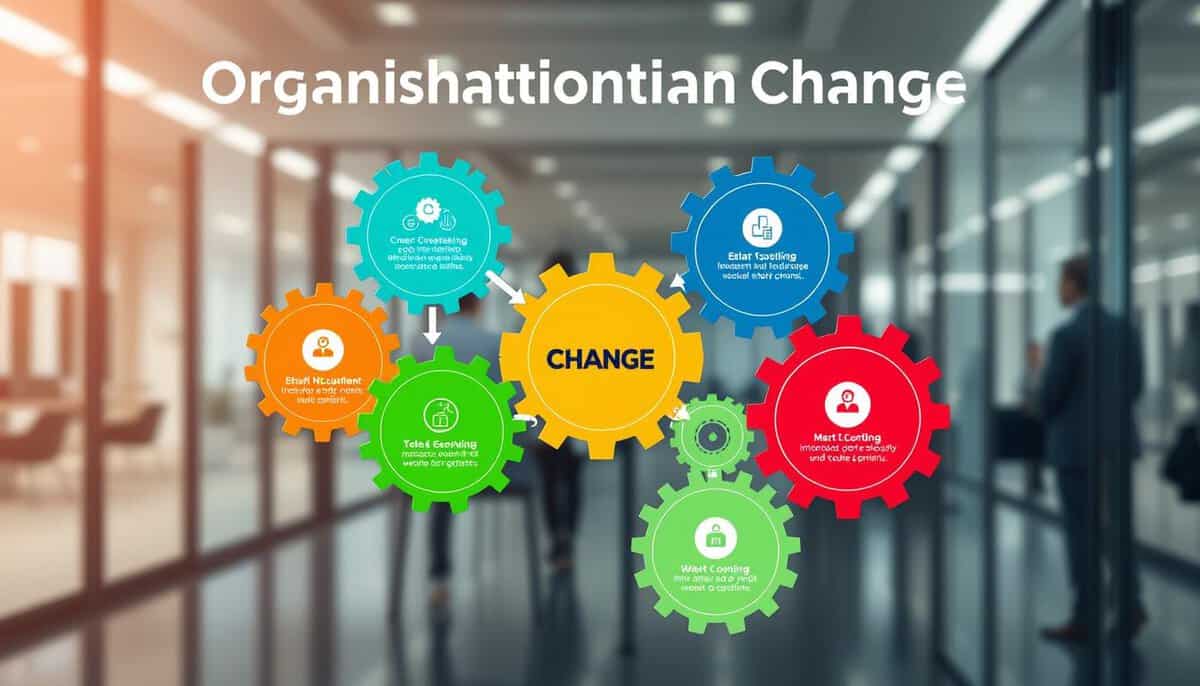
コッターの変革のための8段階プロセスには以下が含まれます。
- 切迫感を生み出す
- 指導的連合の構築
- 戦略的ビジョンの策定
- 志願兵を募る
- 障壁を取り除くことで行動を可能にする
- 短期的な成功を生み出す
- 加速を維持する
- 変革の実施
これらのステップは、全員を巻き込み、抵抗感を軽減し、新たなアイデアを生み出すことを目的としています。例えば、あらゆるレベルの人々に権限を与えることで、業務効率が向上します。
現代の変革管理における重要性
変化の激しい現代社会において、コッターモデルは極めて重要です。戦略策定、リーダーシップ育成、組織文化変革といった様々な場面に当てはまります。IBMやゼネラル・エレクトリックといった企業は、コッターの考え方を大規模な変革に活用しました。このプロセスは、デジタル変革、合併・買収においても重要な役割を果たします。
さらに、コッターの方法は、Prosci などの他のモデルともうまく連携します。 アドカー そして、レヴィンの変革モデル。強力なリーダーシップと、全員の参加を促すことに重点を置いている。
| 変更管理モデル | 主な焦点 | サンプルアプリケーション |
|---|---|---|
| コッターの8段階プロセス | 組織変革のための構造化された段階 | 新しい運用手順の導入 |
| プロシ ADKARモデル | 個々の変化管理ニーズ | 従業員による新ソフトウェアの導入 |
| ルーウィンの変革管理モデル | 変化の3段階:解凍、変化、再凍結 | 文化変革イニシアチブ |
コッターのプロセスは、組織の変革を成功させるのに役立ちます。大規模な変革の取り組みの70%以上が、このプロセスのおかげでより良い結果を生み出しています。コッターモデルは、現代の変革マネジメントにおける主要な手法となっています。
切迫感を生み出す
現代社会では、ビジネスは急速に変化します。コッターの8段階プロセスに基づくと、危機感を醸成することが極めて重要です。リーダーはチームを鼓舞し、怠惰を徹底的に排除しなければなりません。
潜在的な脅威と機会の特定
IBMの調査によると、 未来の企業変化は急速に起こることを教えてくれます。脅威とチャンスを早期に発見することが重要です。例えば、 COVID-19(新型コロナウイルス感染症 多くの企業がオンラインでの販売や会議への移行を余儀なくされた。
ジョン・コッター氏は、企業が迅速に行動するためには、ほとんどの管理職の協力が必要だと述べている。リーダーは現状を共有し、全員を巻き込んで緊急の変革を行う必要がある。
勢いと情熱を築く
明確なコミュニケーションは、変化へのエネルギーと熱意を生み出す第一歩です。行動を起こさなければ何が失われるのか、行動を起こせば何が得られるのかを示すことが重要です。Netflixの台頭とBlockbusterの衰退は、まさにこのことを如実に示しています。
変革を推進するCEOは、大きな違いを生み出します。彼らは困難な時期を好機に変え、目標を見失わず、変革を効果的に伝達します。ジョン・コッター博士は、成功のためにはこのアプローチが不可欠であると強調しています。
| 会社 | 緊急性の欠如による結果 | 変革リーダーシップのための教訓 |
|---|---|---|
| ブロックバスター | 市場での優位性を失い、2010年に事業を停止した。 | 競争と技術動向に適応する |
| ブラックベリー | 市場シェアは2017年までに20%から1%未満に低下した。 | 技術の進歩に迅速に対応する |
| シアーズ | 2018年に破産を宣告し、店舗数を大幅に削減した。 | 進化するビジネスモデルを受け入れる |
新しい技術と市場の変化に伴い、 コッターの8段階 このモデルは、企業が強固な基盤を維持し、将来に備えるのに役立ちます。
Building a Guiding Coalition
The second step in John Kotter’s model for leading change is creating a guiding coalition. Without strong support of skilled and influential people, change efforts often fail. This team’s main 仕事 is to support the change, promote the vision, and motivate everyone.

Engaging Key Stakeholders
Starting a guiding coalition means first getting key stakeholders on board. Experts say that its success greatly depends on continuous support from top leaders. These leaders must stay actively involved to fight resistance and help everyone accept the change.
- Active participation is crucial to counter resistance.
- Transparency and trust are essential for harmony.
- Front-line and middle managers’ engagement strengthens buy-in.
Forming a Strong Team
A guiding coalition needs diverse members with leadership skills and decision-making power. It should include people from different levels and areas that are relevant to the change. A variety of perspectives helps bring new ideas to the change effort. Leaders must be careful not to choose the wrong people or lack engagement.
| Success Factors | Common Mistakes |
|---|---|
| Engaging key stakeholders actively | Lack of active engagement |
| Appointing credible, influential members | Wrong team appointments |
| Ensuring transparency and trust | Weak coalition start |
By following leadership principles and Kotter’s model, organizations can form a coalition that leads the way in making change happen.
Developing a Strategic Vision
Crafting a strategic vision is a key part of Kotter’s 8-Step Change Model. It creates a clear path for the future. It also motivates everyone in the organization to work towards the same goals. A strong vision acts as a guiding light, enabling the achievement of major aims smoothly.
Clarifying Future Goals
Understanding the organization’s strengths and weaknesses is vital for setting future goals. This step needs deep thought and future planning. By setting SMART goals, we can ensure our change plans are clear and achievable.
Getting Organizational Buy-In
Getting the organization on board is essential for any change to work. Leaders must communicate well and get stakeholders involved in making and doing the plans. This builds a strong support base and excitement for change.
Also, making sure the entire organization aligns with the vision is critical. This ensures every part works together towards shared goals. It boosts both efficiency and unity.
Empowering Action by Removing Barriers
Kotter’s 8-step process highlights empowering action as key. It follows creating urgency, forming a team, and sharing a vision. Removing barriers that block progress is vital.
It’s important to know the barriers. They come as structural, skills, systems, and managerial issues.
Structural barriers can stop individuals from achieving the change vision. This can lead to frustration and quitting early if not dealt with.
Skills barriers mean we need training or experiences to build the right behaviors. Systems barriers mean making our processes fit the new vision. This helps everyone act effectively.

Managers and supervisors might also block change because of their past or habits. It’s critical to address these issues quickly. Dr. John Kotter found 70% of major organizational changes fail. Most failures are due to not empowering action or not removing barriers well.
- Structural barriers: things like hierarchies and resource issues can clash with new visions.
- Skills barriers: spotting skills gaps and providing training can reduce resistance.
- Systems barriers: systems should help, not hinder, change efforts.
- Managerial barriers: managers may fear loss of control, needing care and strategic change to align them with the vision.
To truly remove barriers, companies need to train both employees and managers. The structure, skills, systems, and leaders must support the vision. Senior leaders and guiding teams are crucial here.
| カテゴリ | Common Barrier | Solution |
|---|---|---|
| Structural | Hierarchical constraints | Realign organizational structure |
| Skills | Lack of necessary skills | Provide targeted training programs |
| Systems | Outdated processes | Update and align systems with vision |
| Managerial | Resistance from managers | Address concerns and realign roles |
Generating Short-Term Wins
Generating short-term wins is key in Kotter’s 8-step process for creating lasting change. It keeps momentum and motivation high among employees. These early successes show the positive effects of change, building support and belief in the vision.
Importance of Early Wins
Short-term wins are organizational improvements that happen within 6 to 18 months. They are important to keep change moving forward.
These wins must be clear, seen by everyone, and linked to the change efforts
They help avoid discouragement, boost morale, and reduce resistance.
Celebrating these wins also encourages employees and cuts down on criticism. By recognizing efforts toward short-term goals, morale stays high. This ensures everyone stays engaged and supports the change.
Strategies to Achieve Short-Term Wins
Planning and executing short-term wins requires effective strategies. They should aim for 3-to-6-month targets. This creates urgency, which is crucial in change management. Acknowledging these achievements is key to keeping everyone motivated.

It’s important to have clear markers to track progress. They help spot problems early, so adjustments can be made if needed. Key strategies include:
- Goal identification: define what a win looks like for the change effort.
- Communication: keep everyone informed about successes to boost commitment.
- Reward system: reward those who meet short-term goals to keep morale high.
- Tracking and reporting: regular progress checks help highlight successes and areas to improve.
Using these strategies not only creates short-term wins but ensures the change benefits are seen long-term. This helps convince stakeholders that the effort is worth it, leading to successful change.
| Criteria | 説明 |
|---|---|
| Unambiguous Success | Clear indicators of success according to predefined criteria. |
| Visibility | Achievements must be visible organization-wide to ensure acknowledgment. |
| 関連性 | Successes must be directly linked to the change effort to reinforce the change vision. |
Sustaining Acceleration and Consolidating Gains
Kotter’s change model talks about keeping the energy up. After we win some, we use that success to go after bigger changes. Keeping the momentum and making sure the wins last is key.
Kotter says we need to keep pushing to line up our systems and rules with our goals. This way, the new ways stick in how we do things every day.
Getting a strong team to guide change is important. This team works every day to keep the changes going. They communicate a lot to keep everyone moving forward together.
Kotter believes in celebrating the small victories. This helps everyone stay on board and keeps the progress going. Even though it’s slow, it’s the steady effort that makes change stick.
Anchoring Change in Organizational Culture
In the Leading Change Model by John Kotter, the last step is crucial. It makes new actions stick in the organization’s culture. Most failures happen because altering a company’s culture is tough. Making the change deep within the company’s core is essential.
The top leaders have a big part in this. They must fully support and show the new ways themselves. This means everything from what the company values to how it picks and rewards its people must match the new changes. It makes sure the changes stick, not just quick fixes.
At times, you might need to move or replace employees who don’t accept the change. Though hard, it stops them from blocking the new path.
Companies must weave new practices into daily work, making change usual.
The goal is to make the new ways strong and lasting, setting up for real success.
補足資料と方法
- ADKAR Model: focuses on five key outcomes: awareness, Desire, Knowledge, Ability, and Reinforcement, offering a more individual-centric approach to change management.
- Lewin’s change management model: involves three stages: Unfreeze, Change, and Refreeze, providing a foundational understanding of change dynamics.
- Prosci change management methodology: emphasizes the importance of managing the people side of change to achieve successful outcomes.
- Stakeholder analysis and engagement: identifies key stakeholders and plans strategies for engaging them throughout the change process.
- Change readiness assessment: evaluates the organization’s preparedness for change, helping to tailor strategies accordingly.
- Emotional intelligence in change management: utilizes emotional intelligence to address the emotional aspects of change, improving communication and leadership effectiveness.
- Organizational culture change: focuses on aligning the organizational culture with new strategic directions, essential for sustaining change.
- Communication planning: develops comprehensive communication strategies to ensure all stakeholders are informed and engaged throughout the change process.
よくある質問
What is Kotter’s 8-step process?
Kotter’s 8-step process was made by Harvard professor John Kotter. It’s a guide for leading successful organizational change. It focuses on getting everyone involved and fixing common issues in change projects.
Why is Kotter’s process important in modern change management?
Kotter’s method is very important today because businesses change fast. It helps plan and carry out change strategies well. Leadership at every level is crucial to keep the organization strong and successful.
How do organizations create a sense of urgency for change?
作成するには sense of urgency, companies identify threats or chances that need quick action. This step helps to get everyone on board and start the change process with energy.
What constitutes a guiding coalition in Kotter’s model?
A guiding coalition is a team of respected leaders with necessary skills. They lead the change, push the vision, and motivate everyone at work.
How is a strategic vision developed according to Kotter’s model?
あ strategic vision outlines a clear and practical plan for change. It’s about setting future goals and getting everyone’s agreement to make sure the company moves together smoothly.
What is the significance of generating short-term wins?
Short-term wins are key for keeping everyone motivated during change. These early successes make people believe in the change and support it.
What does anchoring change in organizational culture entail?
Anchoring change makes new ways of working a regular part of the culture. This means leaders keep supporting the change, plan for the future, and weave the new practices into the company’s foundation.
External Links on Comapanies Organizational Changes
国際規格
(リンクにカーソルを合わせると、コンテンツの説明が表示されます)
用語集
Specific Measurable Achievable Relevant Timely (SMART): 明確で、定量化可能で、達成可能で、より広範な目標と整合し、期限が定められた目標を設定するための枠組みであり、効果的な計画立案と進捗状況の評価を促進する。