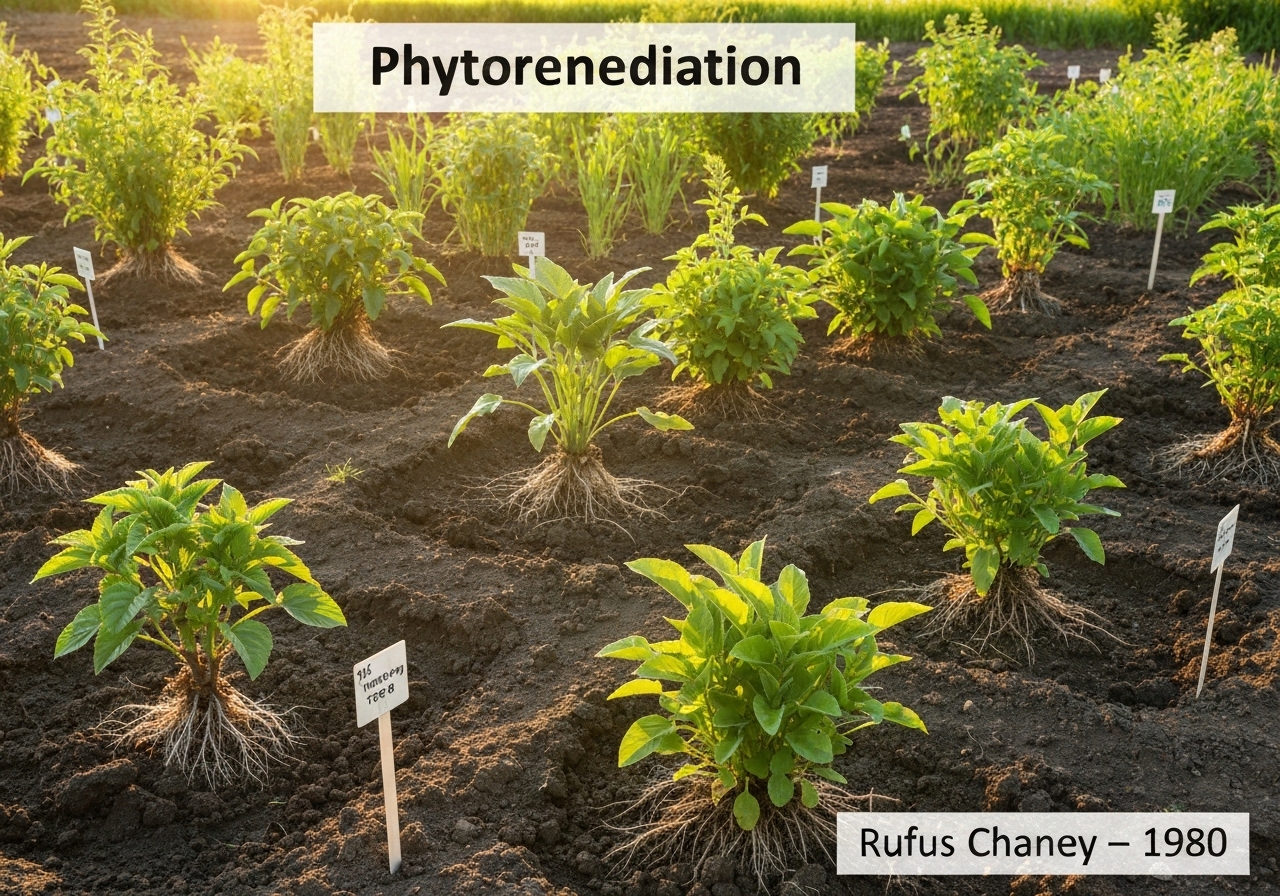
植物浄化は、土壌や地下水中の汚染物質を除去、移動、安定化、または分解するために様々な種類の植物を利用する生物浄化プロセスです。この低コストで太陽エネルギーを利用した技術は、低~中程度の汚染レベルの場所の浄化に効果的です。植物抽出(収穫可能な植物組織への取り込み)、植物分解(汚染物質の分解)、植物安定化(移動性の低減)など、様々なメカニズムが関与しています。

(画像はイメージです)
植物浄化は、土壌や地下水中の汚染物質を除去、移動、安定化、または分解するために様々な種類の植物を利用する生物浄化プロセスです。この低コストで太陽エネルギーを利用した技術は、低~中程度の汚染レベルの場所の浄化に効果的です。植物抽出(収穫可能な植物組織への取り込み)、植物分解(汚染物質の分解)、植物安定化(移動性の低減)など、様々なメカニズムが関与しています。
Phytoremediation harnesses the natural abilities of plants to remediate contaminated environments. The process is multifaceted, relying on several distinct mechanisms. Phytoextraction, or phytoaccumulation, involves plants absorbing contaminants, particularly heavy metals, from the soil through their roots and translocating them to the harvestable above-ground biomass (shoots and leaves). These plants, known as hyperaccumulators, can then be harvested and disposed of, effectively removing the metals from the site. Phytodegradation refers to the breakdown of complex organic contaminants into simpler, less toxic molecules by plant enzymes, either internally or externally through root exudates that stimulate microbial activity in the rhizosphere. Phytostabilization aims to reduce the mobility and bioavailability of contaminants in the soil. Plants achieve this by absorbing and precipitating contaminants onto their roots, or by altering soil chemistry to immobilize them, thereby preventing their migration into groundwater or the food chain.
もう一つのメカニズムは植物揮発であり、植物が汚染物質を吸収し、蒸散によって毒性の低い形で大気中に放出する。水銀やセレンなどの特定の揮発性化合物には効果的だが、これは単に汚染物質を別の媒体に移すに過ぎない。適切な植物種の選択は非常に重要であり、特定の汚染物質、気候、土壌条件によって異なる。植物浄化は、見た目にも美しく環境に優しい「グリーン」技術と考えられているが、一般的に従来の工学的手法に比べて時間がかかり、植物の根の深さによって制限される。
ボットによるトラフィック(現在1日あたり4万件以上)を排除するため、このコンテンツはコミュニティメンバー限定となっています。
> ログイン < または > 登録 < (100%無料)でこれにアクセスできます。他のすべての制限付きコンテンツとツールも同様です。
植物浄化
(日付が不明または関連性がない場合、例えば「流体力学」などでは、その注目すべき出現時期の概算値が提示されます。)

フルサイズの画像とダウンロードは、登録会員のみが100%無料で利用できます。
> ログイン <