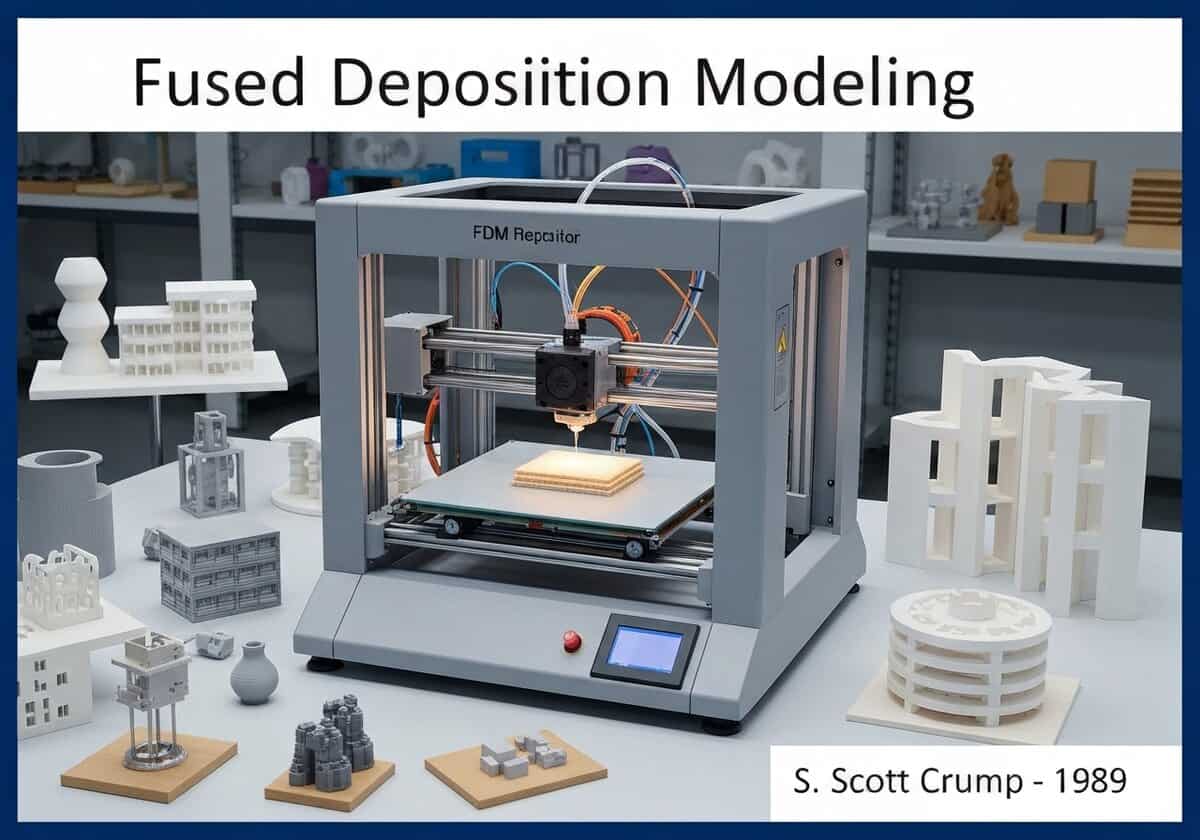
溶融堆積モデリング(FDM)、または溶融フィラメント製造(FFF)とも呼ばれるこの材料押出技術は、溶融材料をあらかじめ決められた経路に沿って層ごとに選択的に堆積させることで物体を造形する。 熱可塑性樹脂 フィラメントはコイルから巻き出され、加熱された押出ノズルを通して送り込まれる。ノズルはフィラメントを溶かし、造形プラットフォーム上に堆積させる。そこでフィラメントは冷却・固化し、下の層と融合する。


(画像はイメージです)
溶融堆積モデリング(FDM)、または溶融フィラメント製造(FFF)とも呼ばれるこの材料押出技術は、溶融材料をあらかじめ決められた経路に沿って層ごとに選択的に堆積させることで物体を造形する。 熱可塑性樹脂 フィラメントはコイルから巻き出され、加熱された押出ノズルを通して送り込まれる。ノズルはフィラメントを溶かし、造形プラットフォーム上に堆積させる。そこでフィラメントは冷却・固化し、下の層と融合する。
In an FDM printer, the motion of the extruder head and/or the build platform is controlled by a computer that interprets a sliced 3D model (G-code). The head moves in the X and Y axes, while the platform typically moves in the Z axis after each layer is complete. The process relies on precise thermal management: the ‘hot end’ of the extruder must keep the plastic at a temperature that allows it to flow but not degrade, while the deposited material must cool quickly enough to hold its shape. Layer adhesion is critical for part strength and is highly dependent on temperature, speed, and material properties. FDM parts are not fully dense; their internal structure is often a pre-defined infill pattern (e.g., grid, honeycomb) to save material and print time while providing structural support. Common materials include polylactic acid (PLA), acrylonitrile butadiene styrene (ABS), polyethylene terephthalate glycol (PETG), and various engineering-grade polymers. The expiration of the original FDM patent in 2009 was a catalyst for the open-source RepRap project and the subsequent explosion of affordable, consumer-grade 3D printers, making the technology widely accessible.
ボットによるトラフィック(現在1日あたり4万件以上)を排除するため、このコンテンツはコミュニティメンバー限定となっています。
> ログイン < または > 登録 < (100%無料)でこれにアクセスできます。他のすべての制限付きコンテンツとツールも同様です。
溶融堆積モデリング(FDM)
(日付が不明または関連性がない場合、例えば「流体力学」などでは、その注目すべき出現時期の概算値が提示されます。)

フルサイズの画像とダウンロードは、登録会員のみが100%無料で利用できます。
> ログイン <