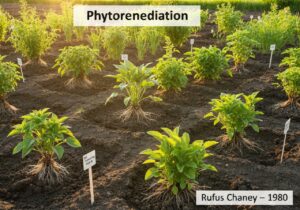
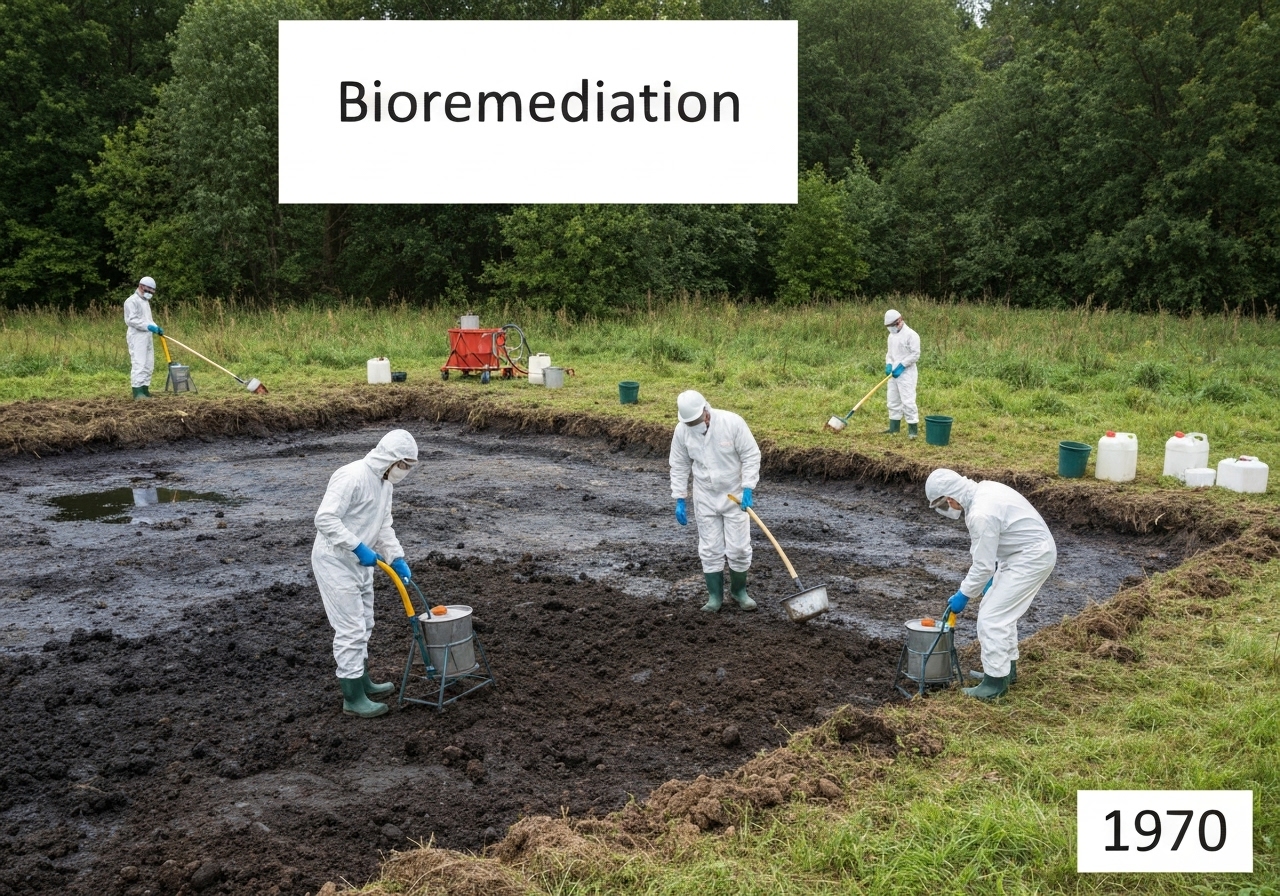
生物修復とは、微生物、真菌、植物、またはそれらの酵素を用いて、汚染された環境を元の状態に戻すプロセスです。塩素系農薬などの特定の土壌汚染物質を除去するためにも、より広範囲の汚染物質を処理するためにも利用できます。生物修復は自然に起こる場合(自然減衰)もあれば、肥料の添加(生物刺激)や特定の微生物の添加(生物増強)によって促進される場合もあります。
(画像はイメージです)
生物修復とは、微生物、真菌、植物、またはそれらの酵素を用いて、汚染された環境を元の状態に戻すプロセスです。塩素系農薬などの特定の土壌汚染物質を除去するためにも、より広範囲の汚染物質を処理するためにも利用できます。生物修復は自然に起こる場合(自然減衰)もあれば、肥料の添加(生物刺激)や特定の微生物の添加(生物増強)によって促進される場合もあります。

Bioremediation leverages biological processes to manage and neutralize contaminants in soil, water, and sediments. The core principle is that certain microorganisms can use contaminants as a food source, metabolizing them into less harmful or non-toxic substances like carbon dioxide and water. This process can be categorized as either in-situ or ex-situ. In-situ bioremediation treats the contaminated material in place, which is less disruptive and often more cost-effective. Ex-situ bioremediation involves excavating the contaminated soil or pumping the groundwater to be treated elsewhere, allowing for more controlled conditions but at a higher cost.
Key strategies to enhance bioremediation include biostimulation and bioaugmentation. Biostimulation involves modifying the environment to stimulate existing bacteria capable of bioremediation. This is often done by adding nutrients like nitrogen and phosphorus or an electron acceptor such as oxygen. Bioaugmentation involves introducing specific, often non-native, microorganisms to the site that are known to degrade the target contaminant. This is useful when the indigenous microbial population is insufficient or lacks the necessary metabolic capabilities. The effectiveness of bioremediation depends heavily on factors like contaminant type and concentration, temperature, pH, and the presence of oxygen and nutrients.
ボットによるトラフィック(現在1日あたり4万件以上)を排除するため、このコンテンツはコミュニティメンバー限定となっています。
> ログイン < または > 登録 < (100%無料)でこれにアクセスできます。他のすべての制限付きコンテンツとツールも同様です。
生物修復
(日付が不明または関連性がない場合、例えば「流体力学」などでは、その注目すべき出現時期の概算値が提示されます。)

フルサイズの画像とダウンロードは、登録会員のみが100%無料で利用できます。
> ログイン <