प्लास्टिक के पुनर्चक्रण के लिए रासायनिक प्रक्रियाएँ
जैसे-जैसे वैश्विक प्लास्टिक अपशिष्ट चौंकाने वाले स्तरों तक पहुँच रहा है—अनुमानित 380 मिलियन टन सालाना उत्पादित, जिनमें से केवल 9% पुनर्नवीनीकरण किया जाता है—प्रभावी के लिए तात्कालिकता
जैसे-जैसे वैश्विक प्लास्टिक अपशिष्ट चौंकाने वाले स्तरों तक पहुँच रहा है—अनुमानित 380 मिलियन टन सालाना उत्पादित, जिनमें से केवल 9% पुनर्नवीनीकरण किया जाता है—प्रभावी के लिए तात्कालिकता

सरल प्लास्टिक की पहचान के लिए सबसे संपूर्ण तालिका। एक अज्ञात प्लास्टिक नमूने की सटीक संरचना की पहचान करना चुनौतीपूर्ण लग सकता है,

This week: polyethylene terephthalate, adhesive bonding, ultraviolet molding, electronic device cover, Injection molding, inspection system, imaging device, preforms, inline modification,
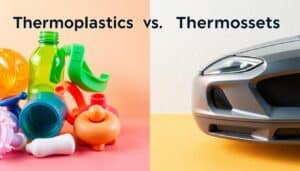
क्या आप जानते हैं कि एपॉक्सी रेज़िन जैसे थर्मोसेटिंग प्लास्टिक क्योर होने के बाद अधिक ताप-प्रतिरोधी हो जाते हैं? वे रासायनिक रूप से भी अधिक स्थिर होते हैं।
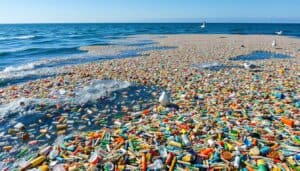
The term “plastic continent” brings to mind huge areas of ocean trash. It shows a serious pollution problem. Since the
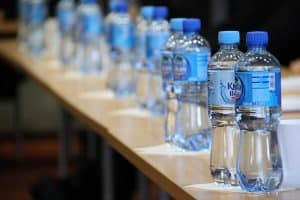
उनके प्रदर्शन और सस्ती कीमत के कारण, प्लास्टिक की बोतलें उत्पादित होने वाले प्लास्टिक के उपभोग्य भागों में सबसे अधिक मात्रा में होती हैं, जो परिवर्तित हो जाती हैं।
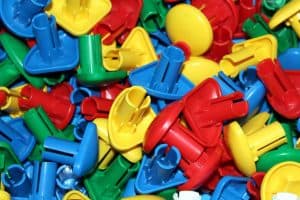
No plastics design theory, just plenty of illustrated examples of the most common plastic design features achievable with injection molding.